

138 Raymond Mill Current Testing
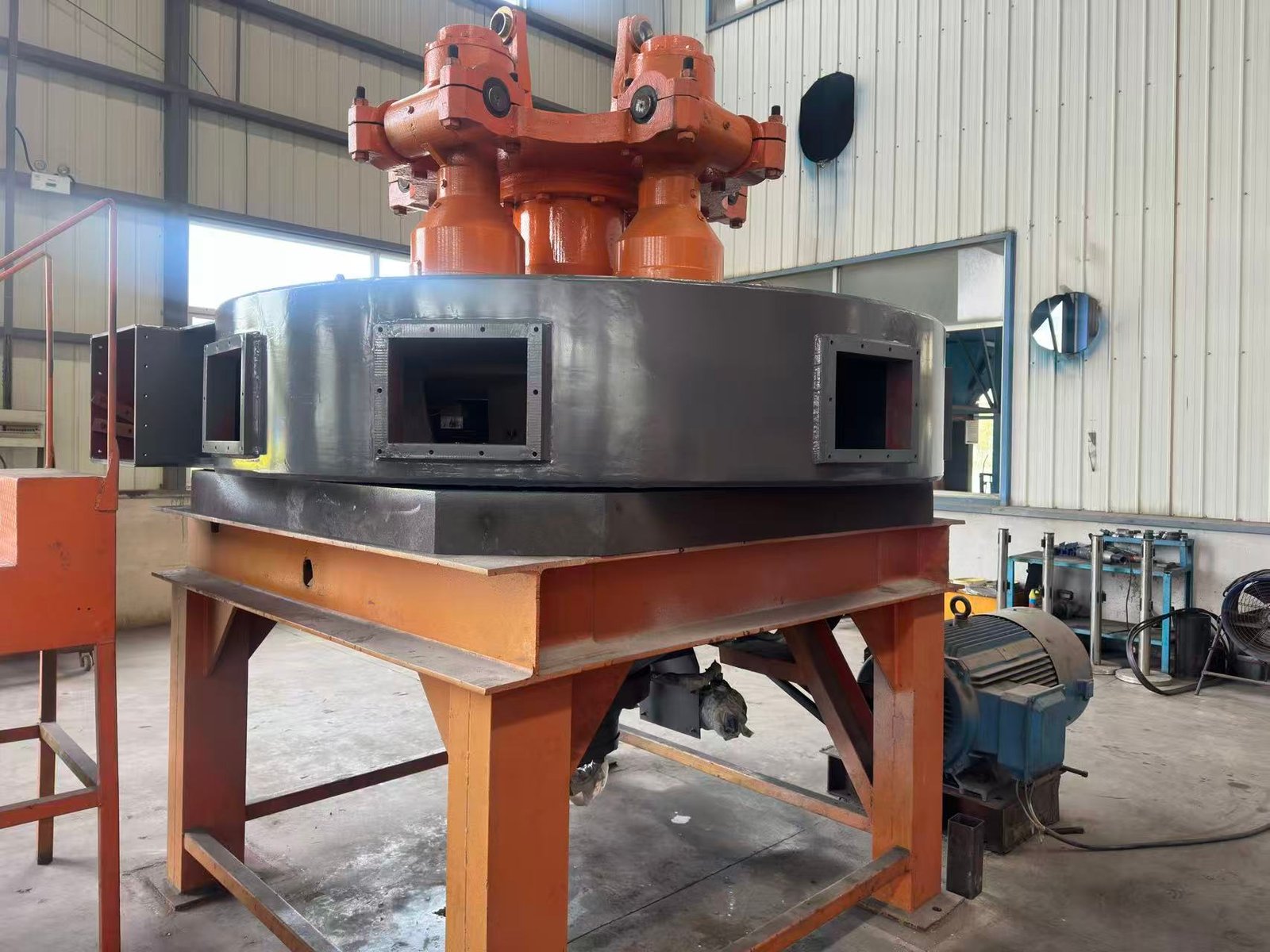
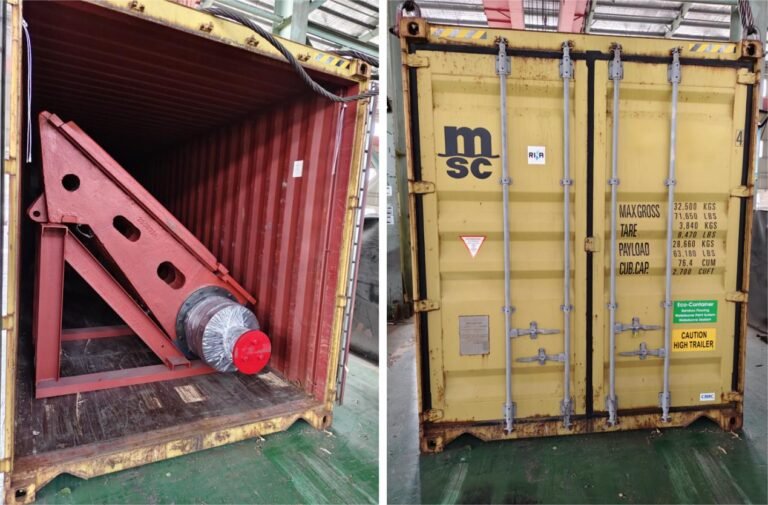
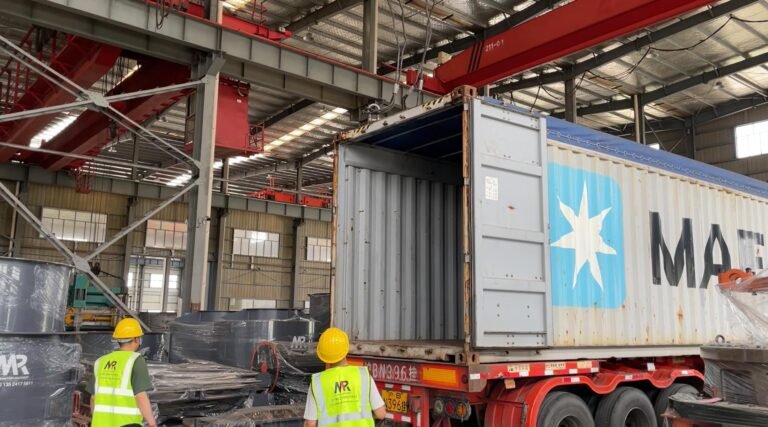
In March, a 138 Raymond mill customized by a customer was completed and entered the packaging stage, soon to be shipped to the customer’s site. The customer needed to grind marble, a common material type used by many of our clients in production. Based on our extensive application experience, we confidently recommended a model suitable for the customer’s needs, ensuring efficient and stable continuous output at the customer’s site.
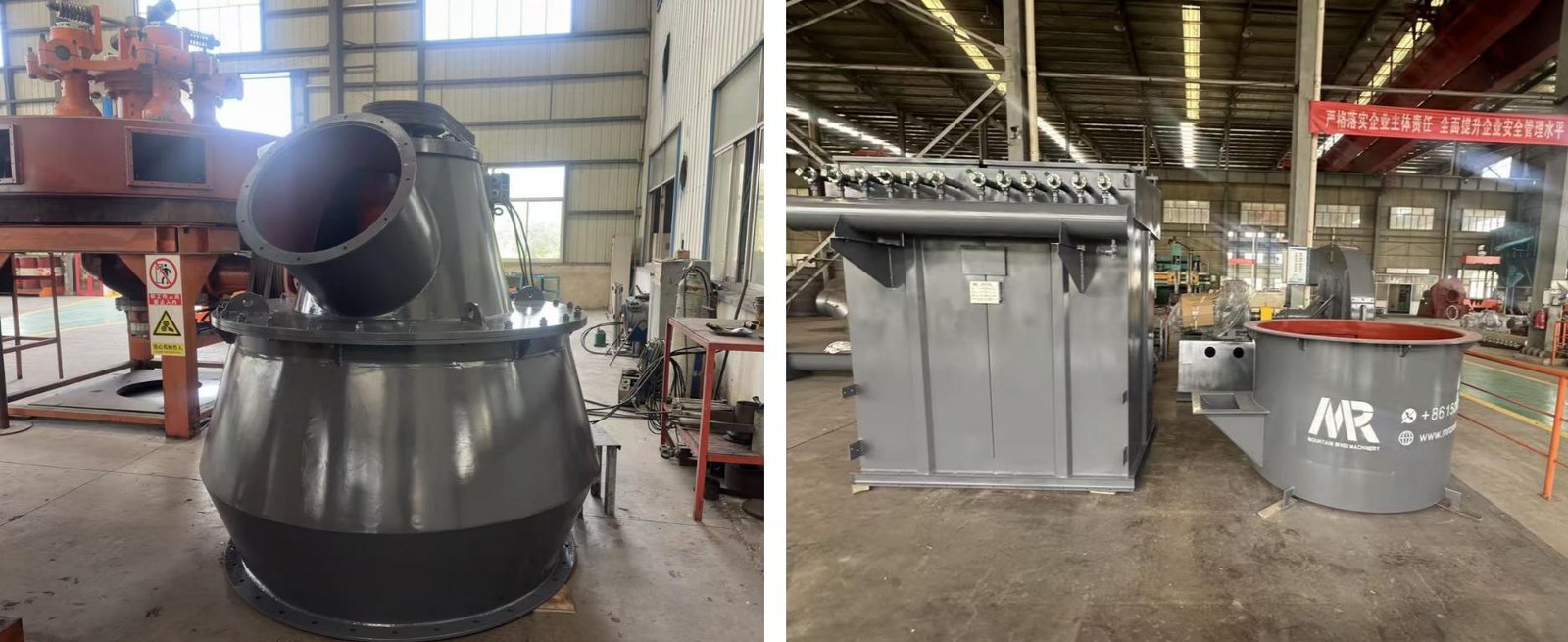
Before the Raymond mill is officially shipped, we need to conduct trial runs to ensure it is in normal and good working condition both at the factory and upon arrival at the customer’s site. This section describes the pre-shipment current testing process. During the trial run, the motor current is tested to measure its load current during operation, and this must be done under no-load conditions.
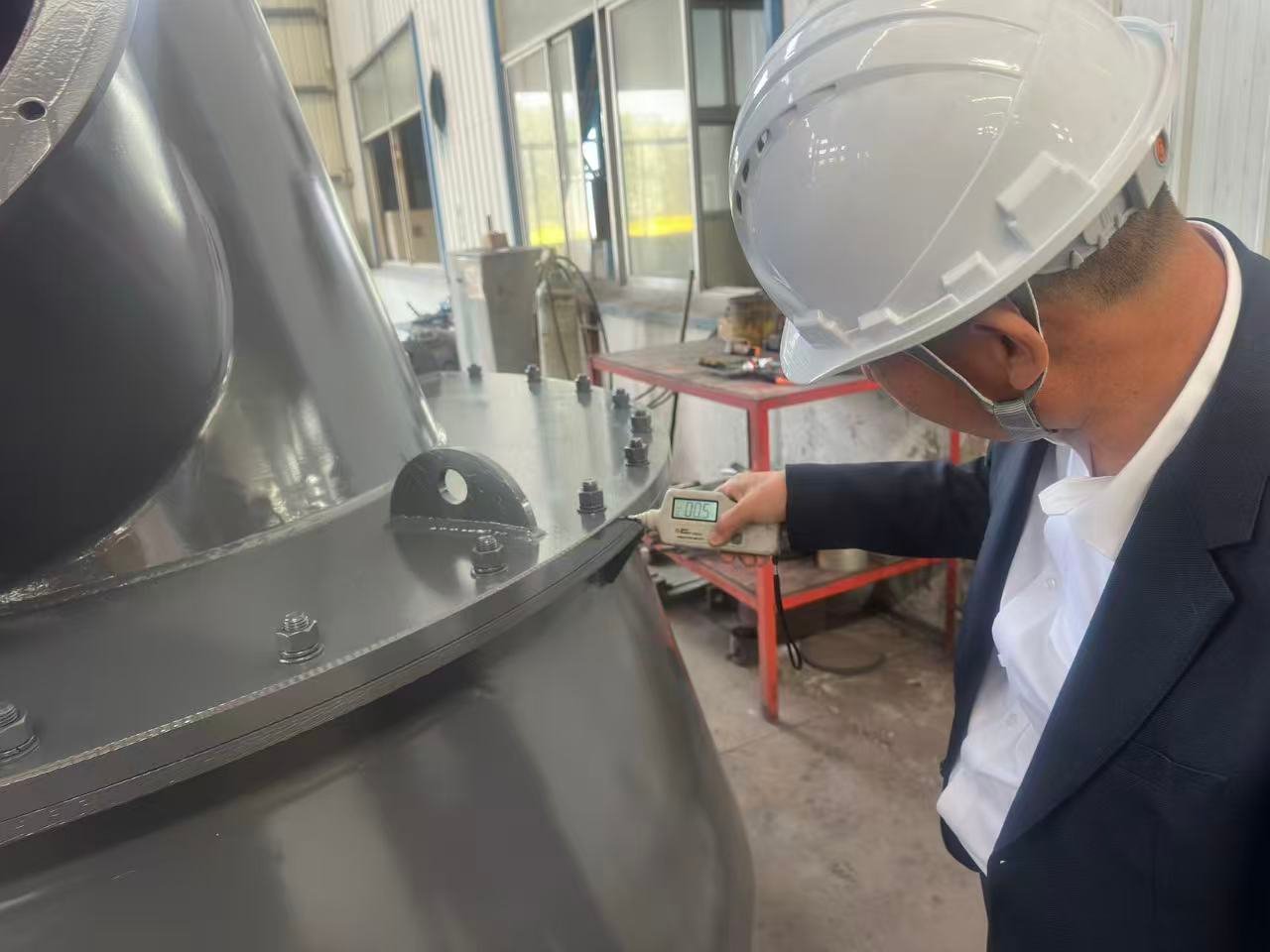
By testing the no-load current, we can initially determine the equipment’s current performance under load and assess whether it meets the usage requirements. Current is a crucial indicator for determining the quality of equipment and the suitability of the motor. Excessive current indicates insufficient motor power or manufacturing defects requiring further inspection and repair. Insufficient current may lead to low energy efficiency or transmission failure. Normally, the no-load current should be within a reasonable range to pass inspection.
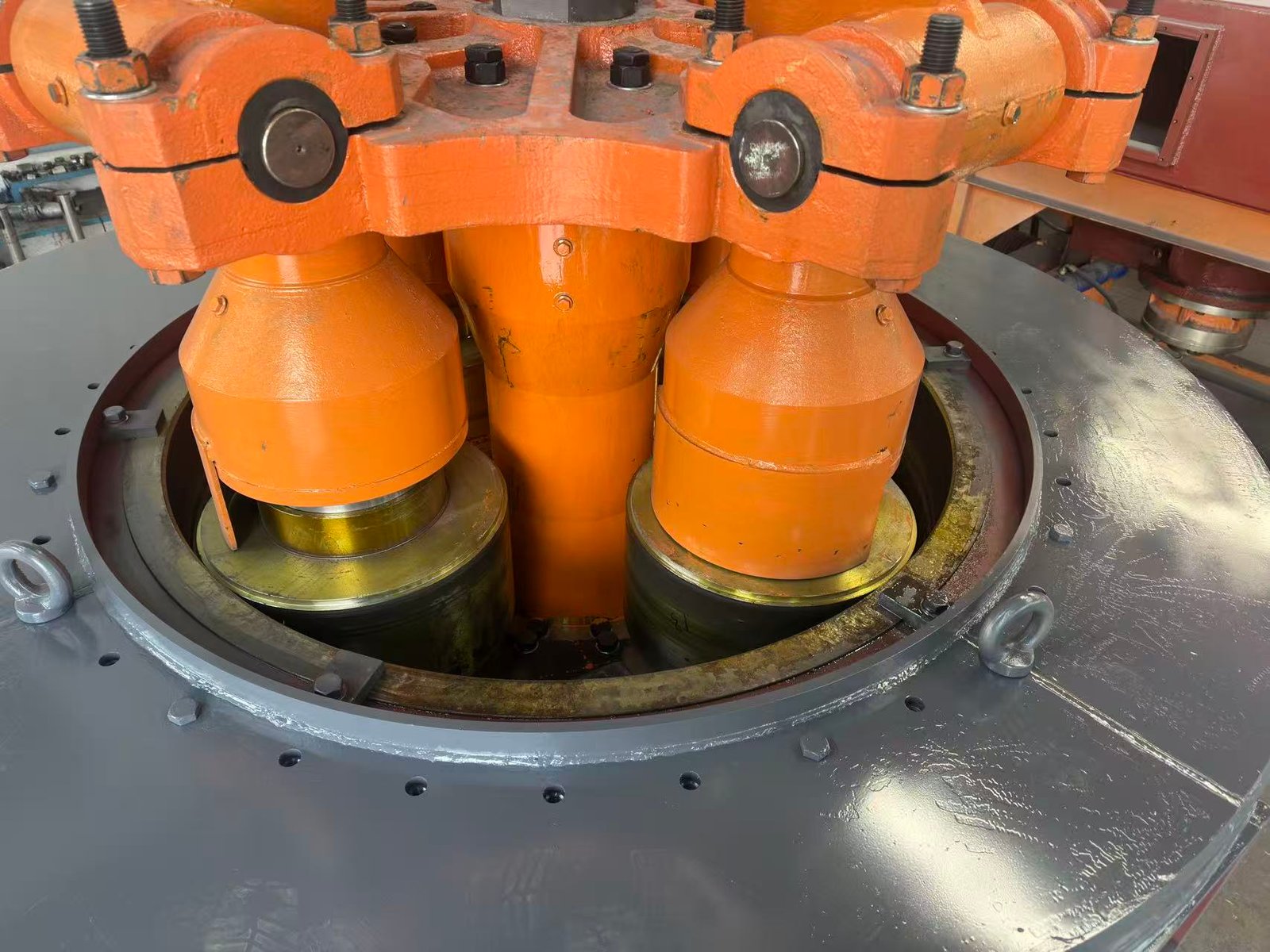
We consistently adhere to rigorous factory testing, not only to fulfill a production step but also as a response to our customers’ trust. Every Raymond mill undergoes comprehensive current testing, from no-load to load simulation, before packaging and shipping. Experienced commissioning engineers meticulously check and repeatedly verify each item to ensure every data point meets design standards.