

LYQ Briquetadeira
Capacity: 1-60tph
Materials: Iron concentrate, iron oxide scale, steel slag, manganese ore powder, alumina, bauxite, clay, coal, etc.
Briquetting machines are mainly used to compress various powdery and granular materials into pellets/blocks to facilitate transport, storage or reuse.
Technical Advantages
High degree of automation
It can process various types of materials, including dry powder, wet powder, and powdery residues, adapting to the needs of multiple sectors such as metallurgy, mining, and environmental protection.
High forming pressure
Up to 30 MPa, capable of pressing high-hardness and difficult-to-form materials (such as iron ore powder, manganese ore powder, and chromium ore powder) that conventional briquetting machines cannot process.
Wide applicability
It can process various types of materials, including dry powder, wet powder, and powdery residues, adapting to the needs of multiple sectors such as metallurgy, mining, and environmental protection.
High granule strength
Os grânulos produzidos apresentam alta densidade e alta resistência à compressão, sendo adequados para uso direto em alto-forno ou transporte de longa distância, e não se quebram facilmente.
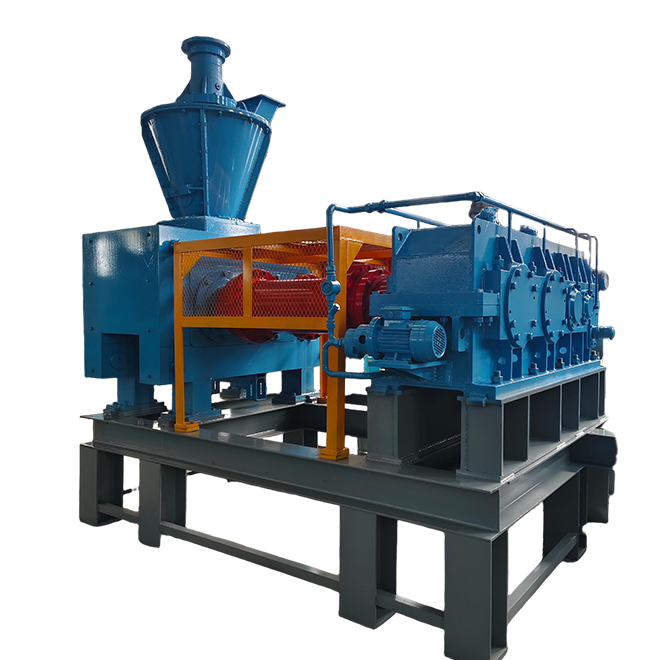
Internal Structure
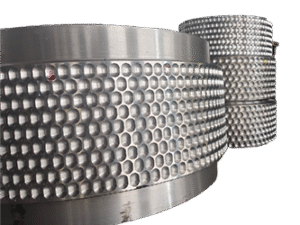
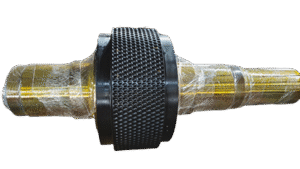
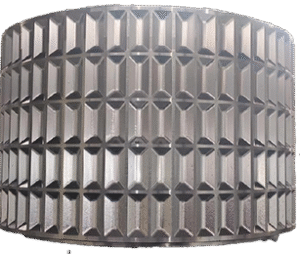
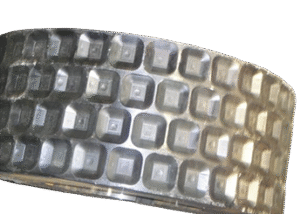
Operating Principle
Feeding: Powdered or granulated materials are fed into the inlet between the rollers via a forced screw feeder.
Briquetting: The rollers rotate in opposite directions, driven by a motor, while a hydraulic system applies high pressure to the moving roller. Under the high pressure of the rollers, the material is forced into the mold cavity, expelling internal air and forming dense granules.
Briquette discharge: The formed granules detach from the mold as the rollers rotate, completing the forming process.
Protection system: The system is equipped with overload protection. When the pressure exceeds the set value, the hydraulic cylinder automatically retracts, protecting the roller surface and transmission components.
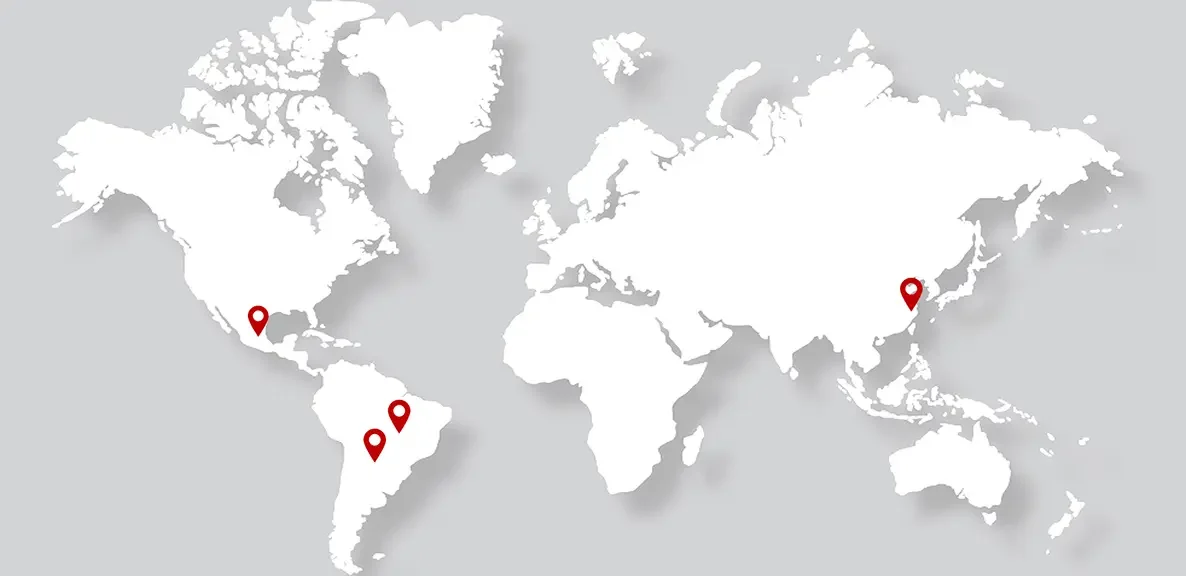
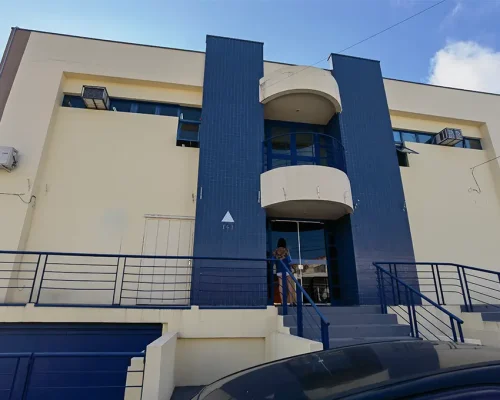
Offices in Latin America
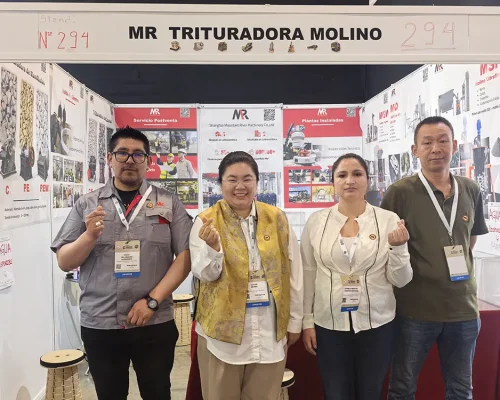
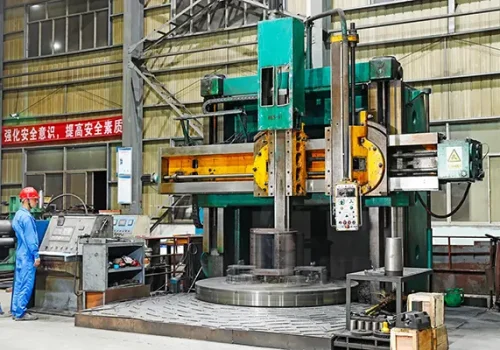
MR Manufacturer
Check the price
Please fill out this form to receive technical support or pricing.