

Barite
What is Barite?
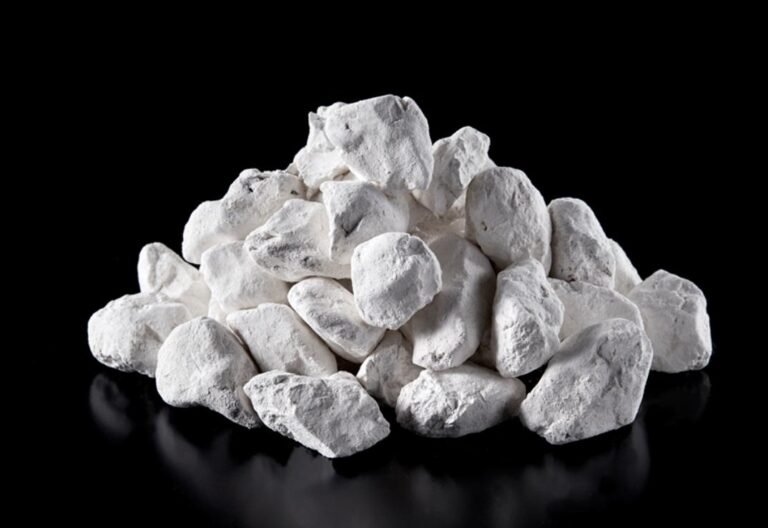
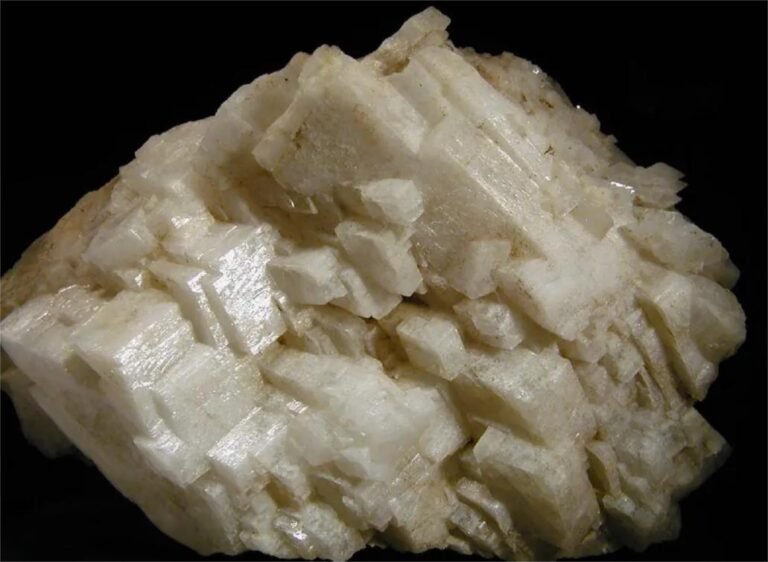
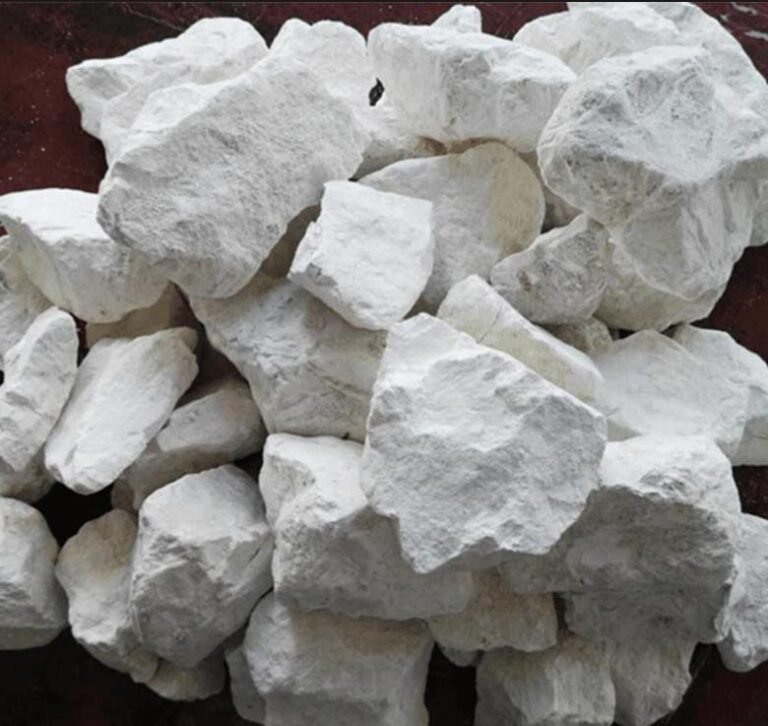
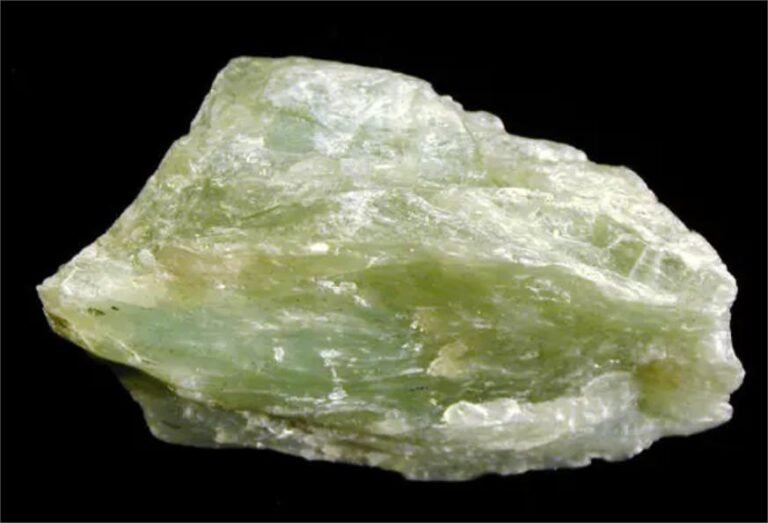
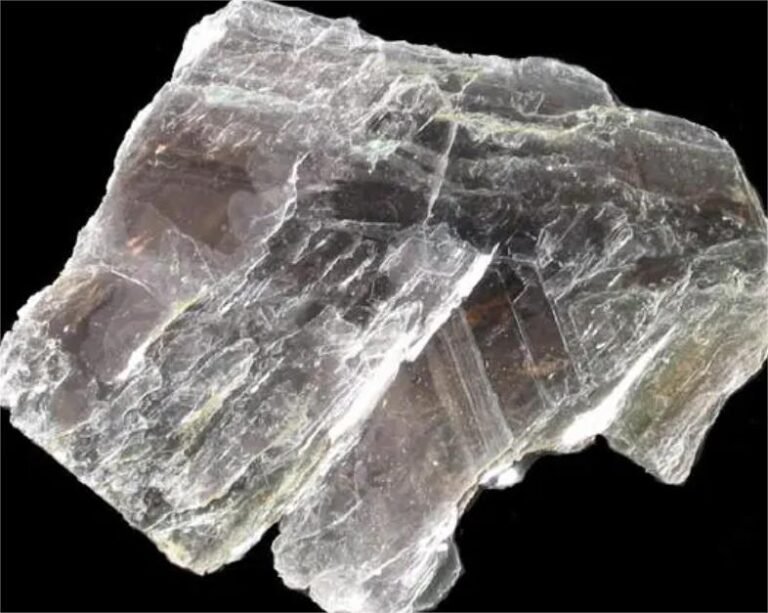
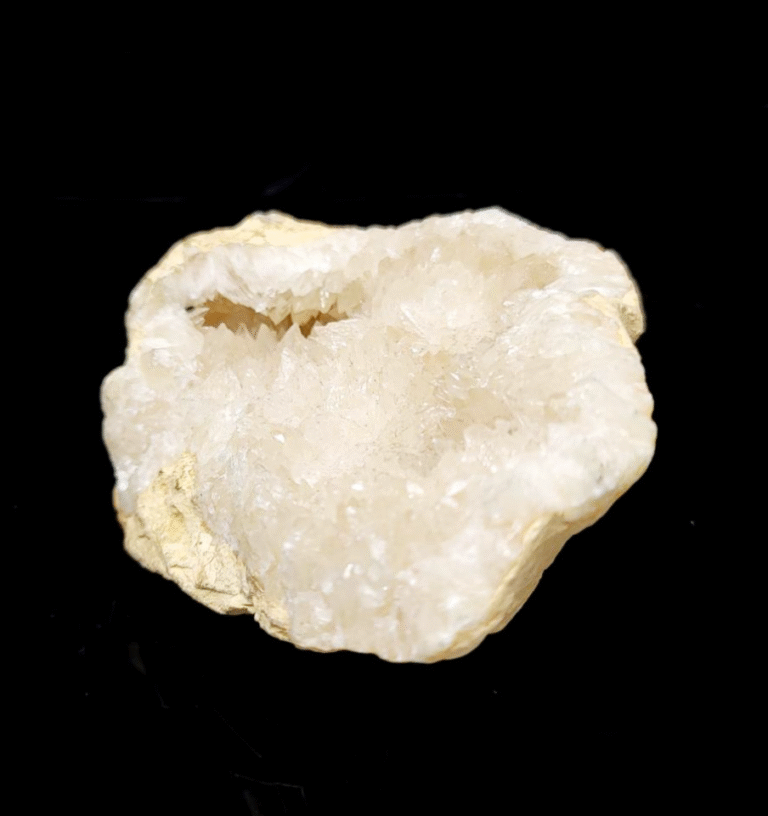
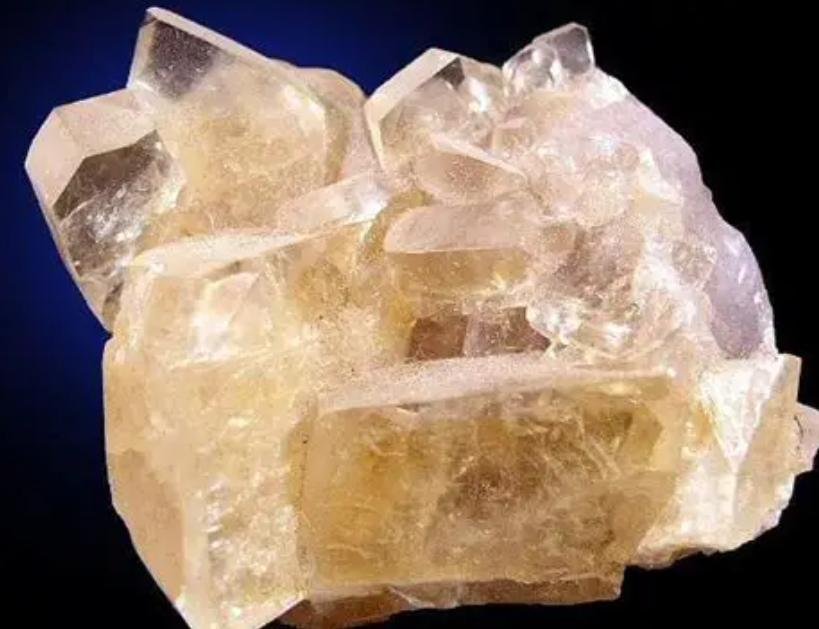
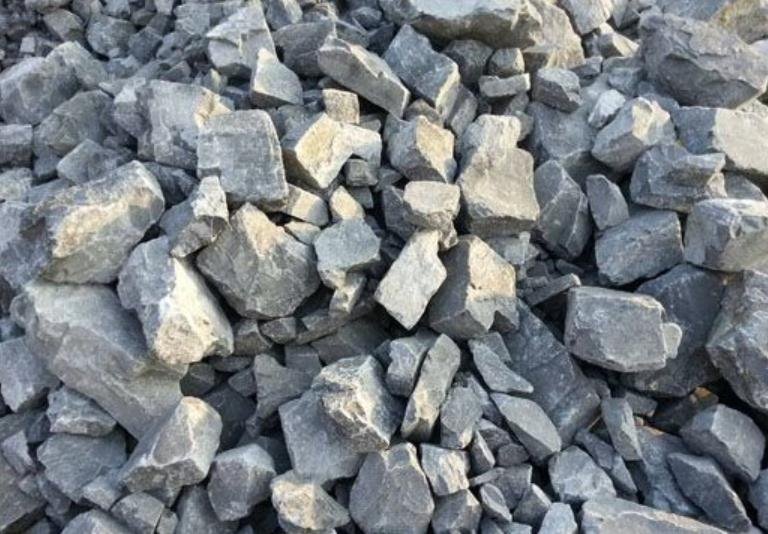
Barite is a mineral composed primarily of barium sulfate. It has a high density, high chemical inertness, and the ability to absorb radiation. Its color ranges from transparent to white, pale yellow, and reddish-brown. Worldwide, over 80% of barite is used in oil and gas drilling as a weighting agent in drilling fluids to prevent blowouts and facilitate cuttings removal.
Operating Principles of Different Mills
In the industrial processing of barite, grinding is a crucial step that determines the fineness, purity, and applications of the product. For different applications, customers typically choose three main types of equipment: Raymond mills, ball mills, and ultrafine pulverizers.
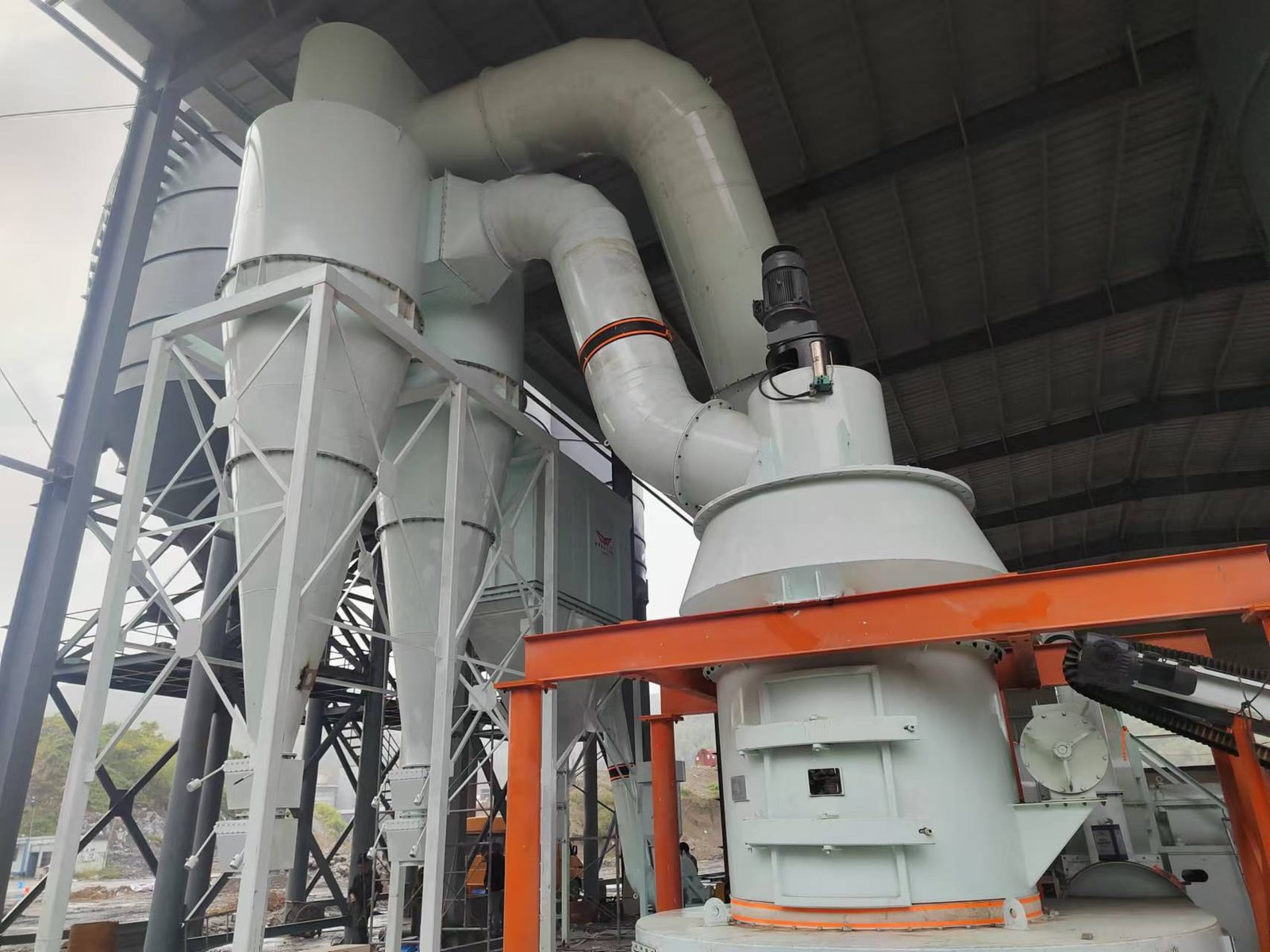
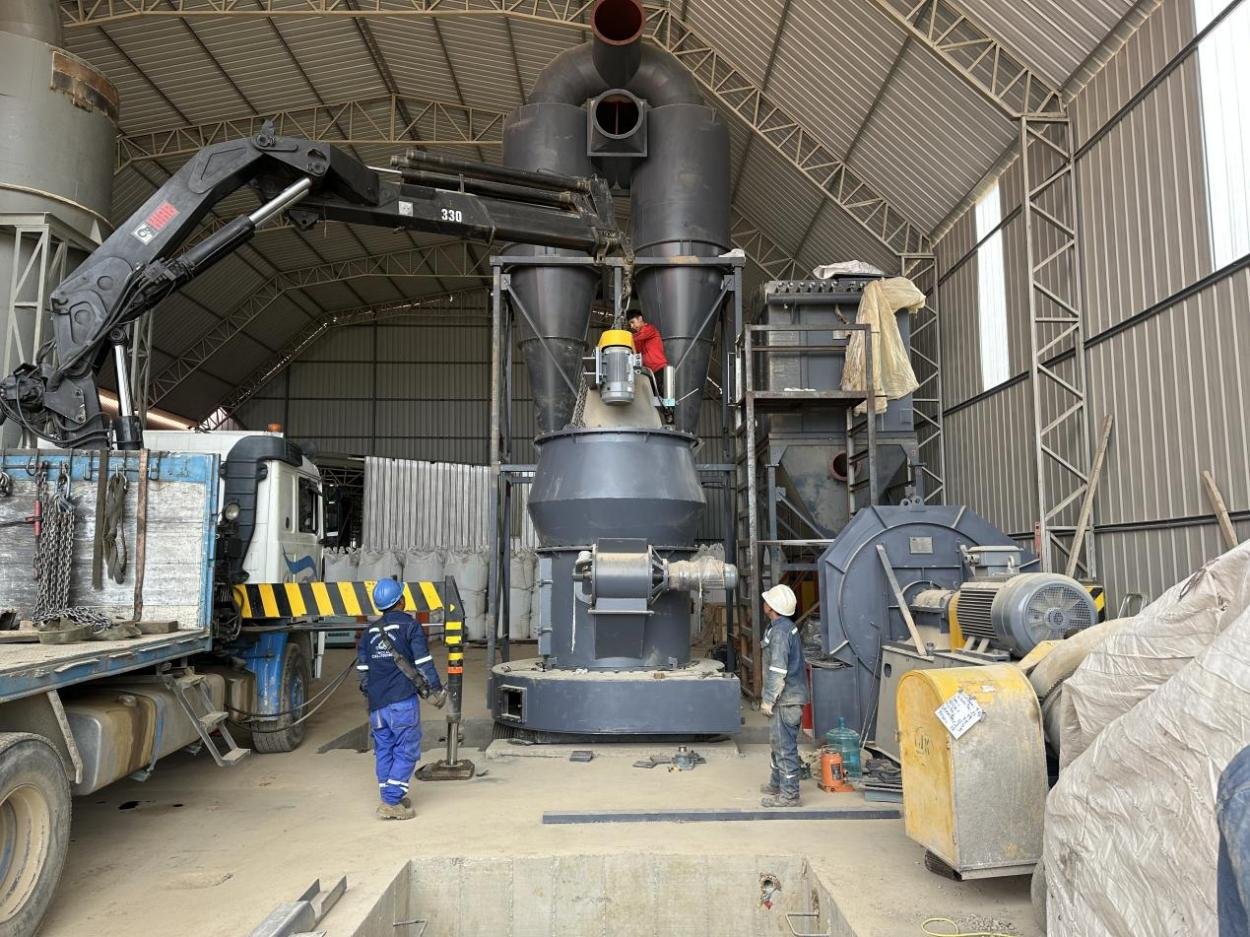
The Raymond mill (Click to view Barite Plant MR) is the most widely used barite grinding equipment, suitable for producing barite powder with a particle size of 200 to 325 mesh. Its operating principle involves grinding rollers crushing the grinding ring using centrifugal force, pulverizing the material, which is then analyzed using a sieve.
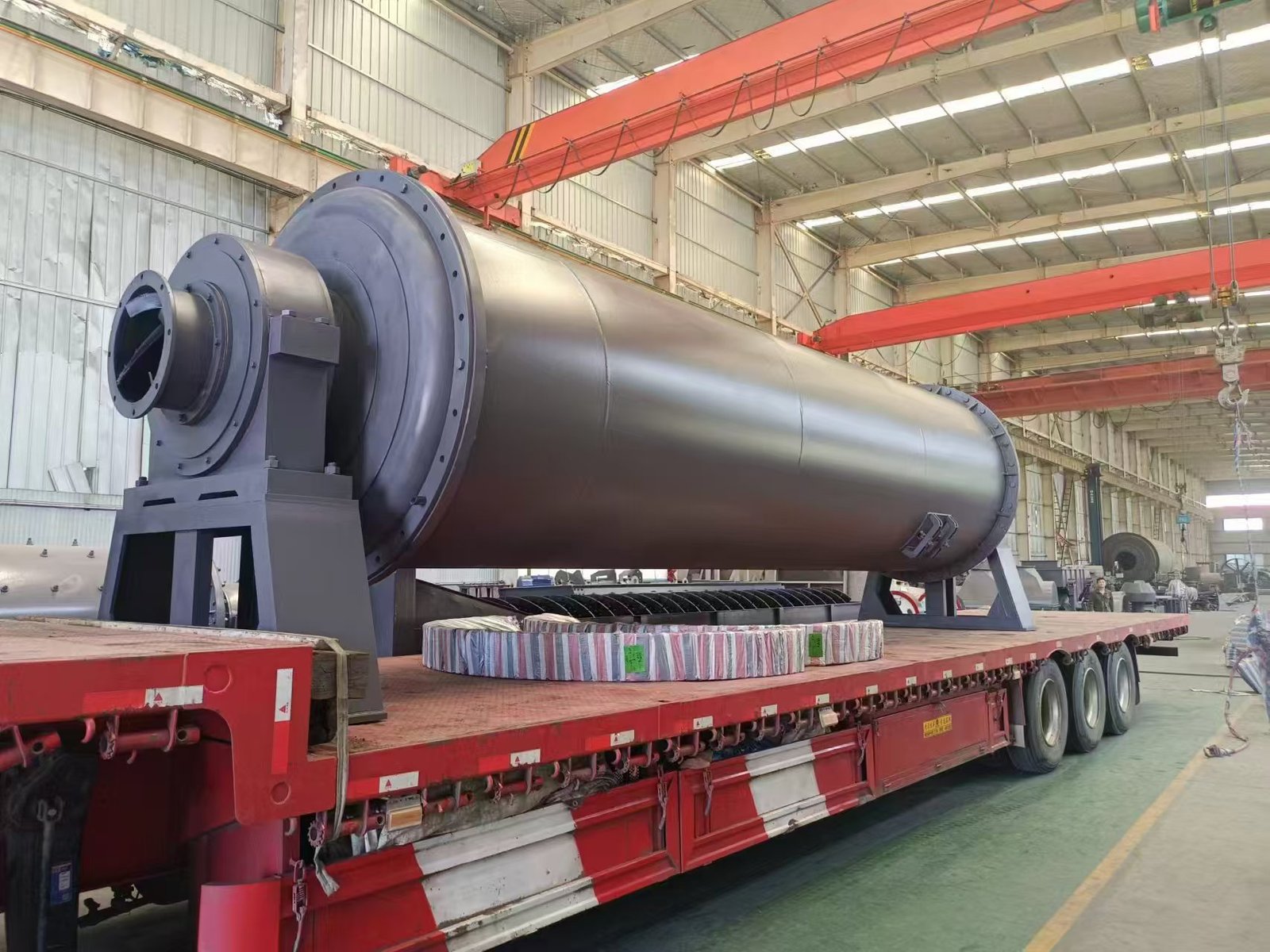
The ball mill uses a grinding method in which the rotating cylinder drives the steel balls to fall and impact, making it suitable for processing barite ore with a larger particle size (≤25 mm) and can produce powder from 100 to 500 mesh.
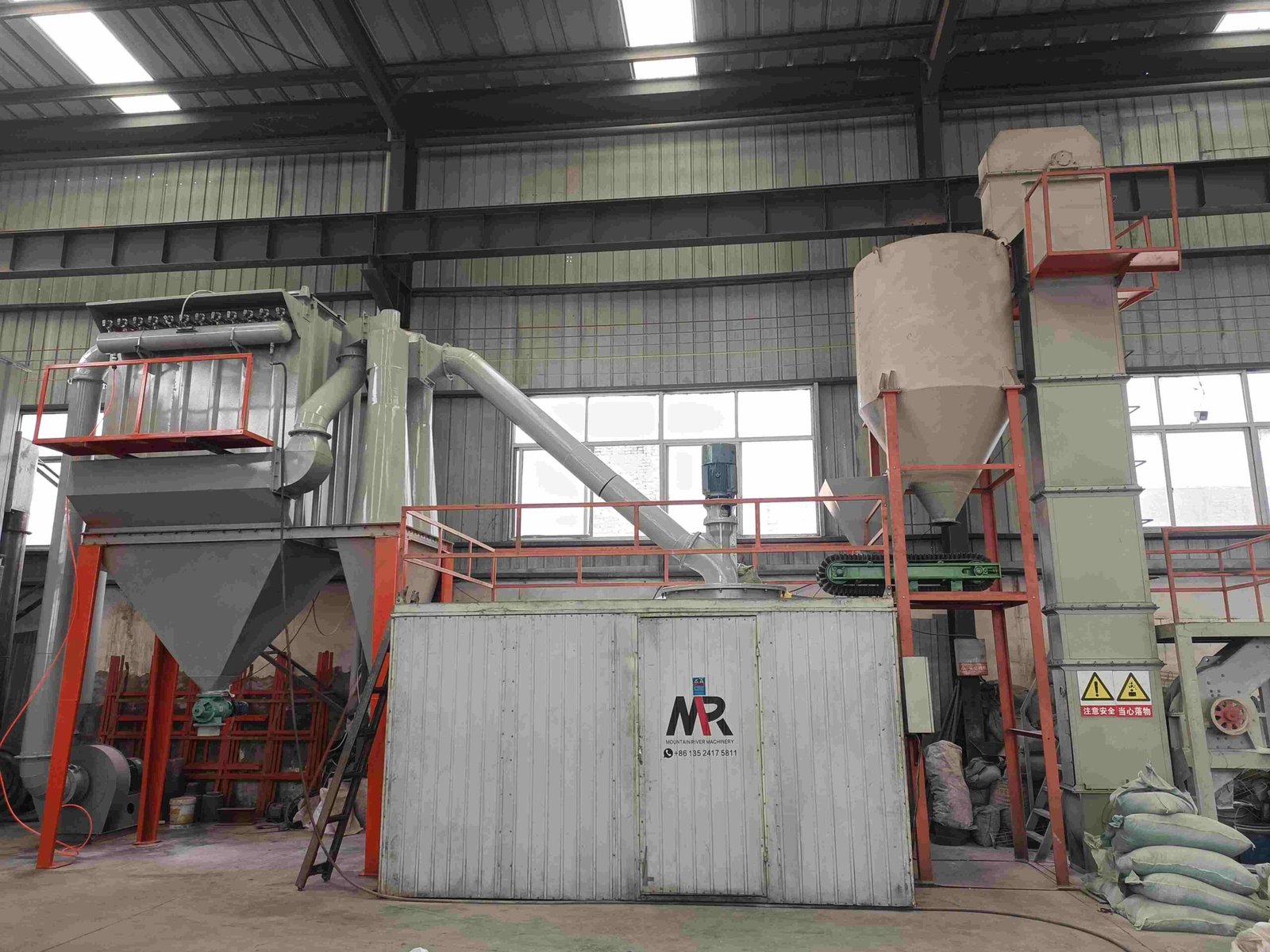
Micron mills are the preferred option for preparing high-value barite powder, capable of grinding materials to a particle size of 800 to 2500 mesh or even finer. The principle involves using a high-speed rotating classifying wheel to generate centrifugal force, which, combined with a high-pressure airflow, causes the materials to collide, shear, and pulverize.
Barite Price Trends
In recent years, global barite prices have generally shown a steady upward trend. In Latin America, Mexico and Peru are the main producers and exporters. Due to their relatively traditional local processing technologies, they primarily export raw ore or rudimentary processed products, and their prices are typically below the international average. However, in recent years, with increased environmental protection requirements for mining imposed by local governments, production costs have risen, leading to a slow increase in export prices.
The Future Value of Barite
The industrial value of barite is evolving, shifting from a traditional weighting agent to a functional mineral. Latin America, one of the world’s leading barite producers, is gradually moving from exporting raw ore to local fine processing to achieve greater added value. For investors, choosing a high-performance, cost-effective grinding machine with controllable fineness and adaptability to diverse working conditions is a crucial first step toward entering this growing sector and achieving efficient production.