

Feldspar
What is Feldspar?
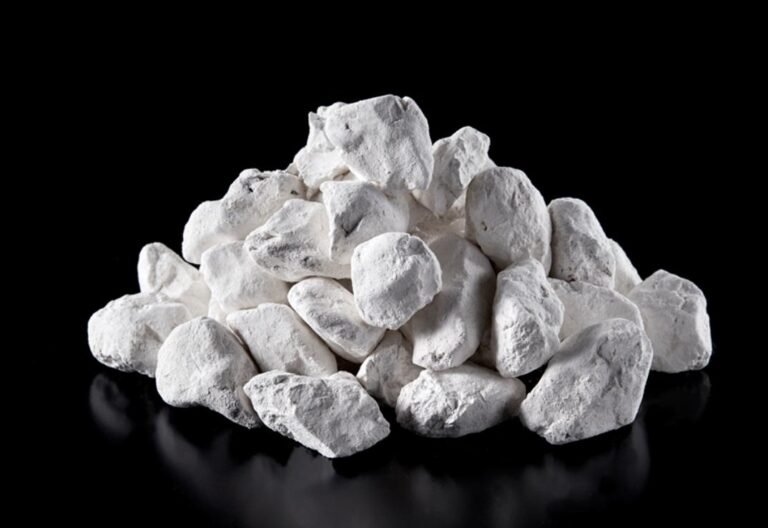
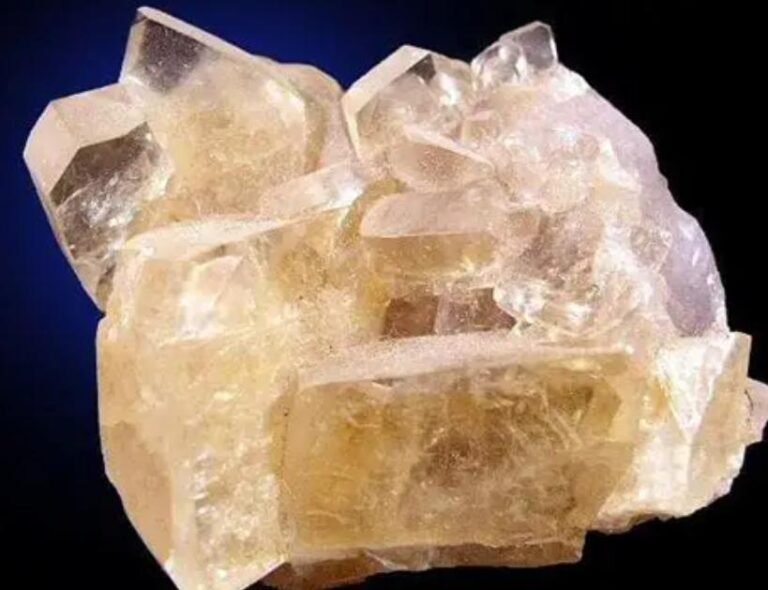
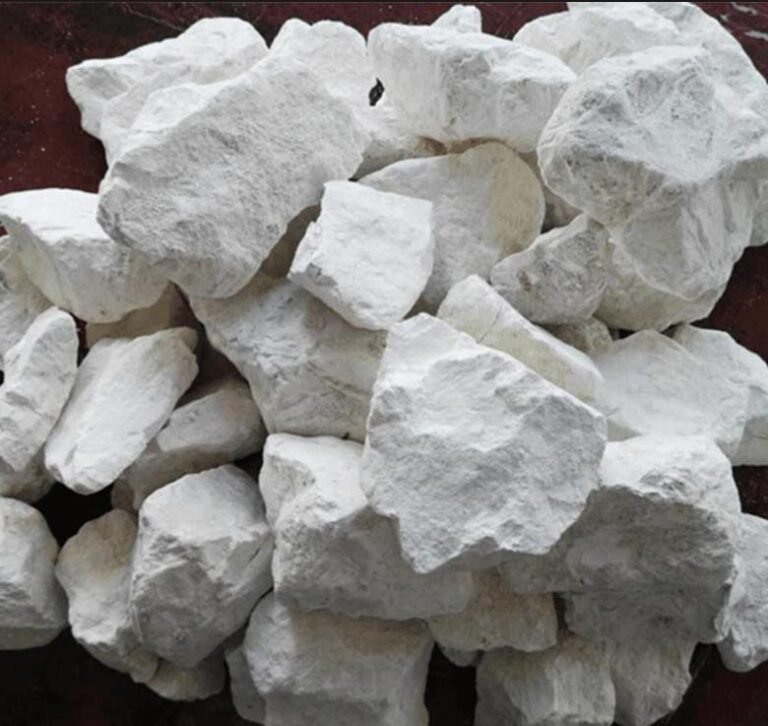
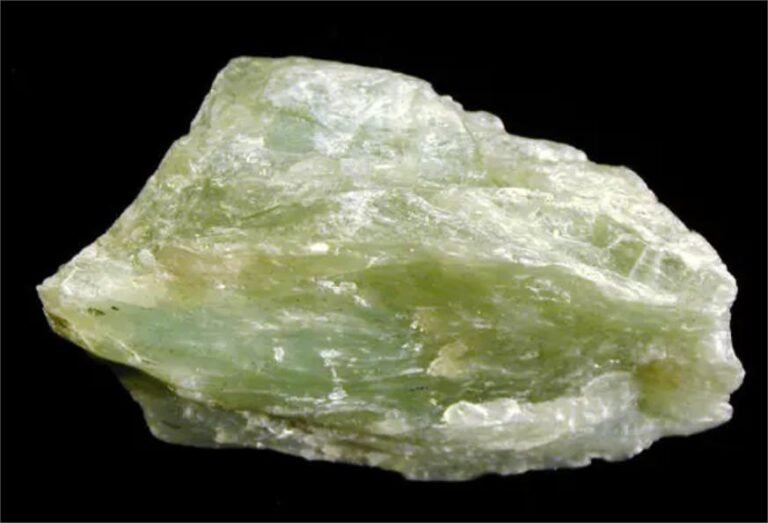
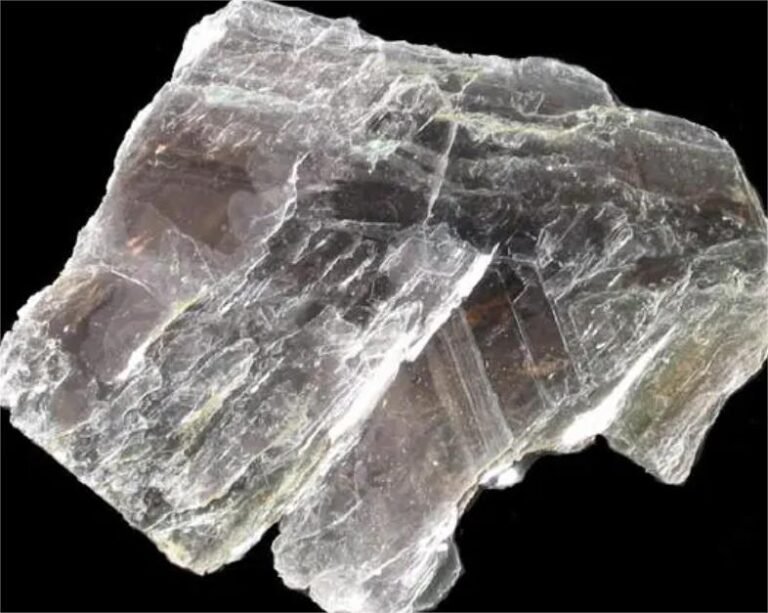
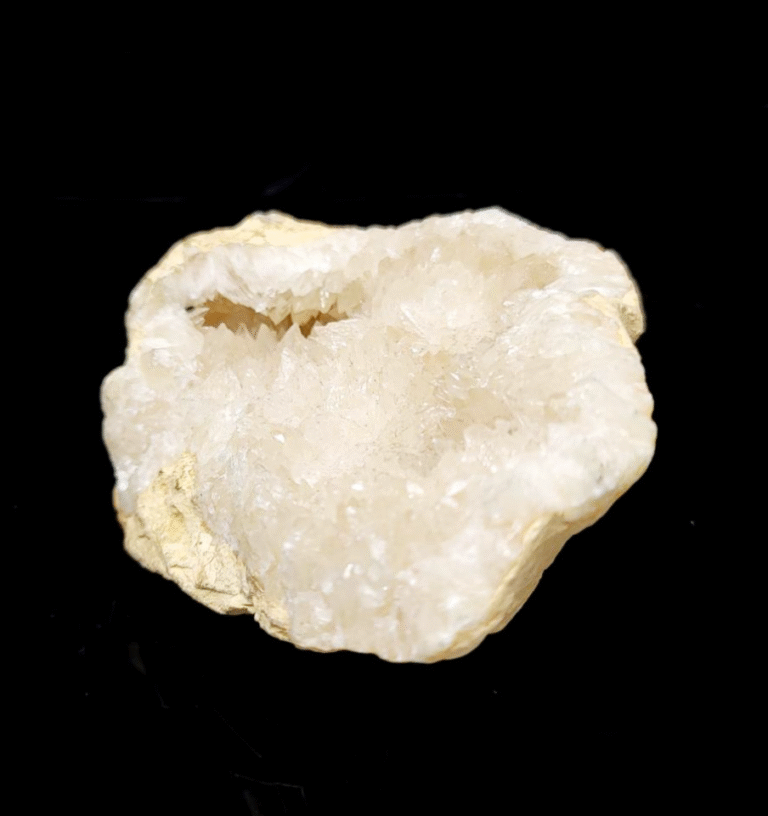
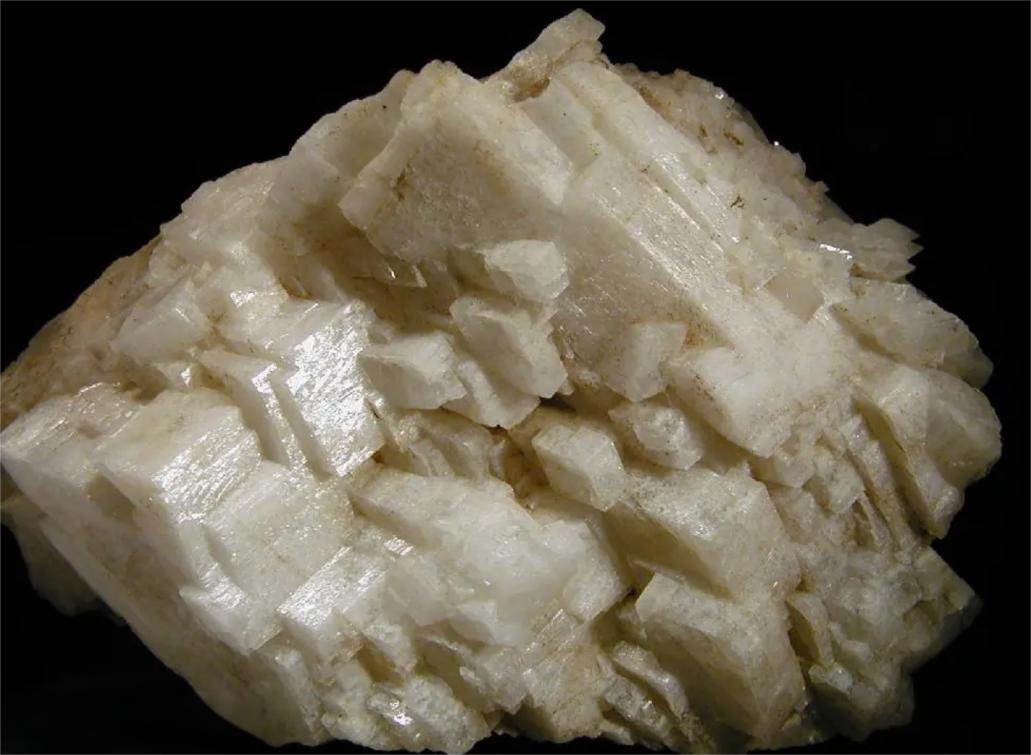
Fedspar is an aluminosilicate mineral containing calcium, sodium, and potassium. There are many types, such as sodium feldspar and calcium feldspar, all with a vitreous luster and a variety of colors. It is found in igneous, metamorphic, and sedimentary rocks. Feldspar is a major mineral component of almost all igneous rocks and is of great importance for rock classification. From pristine white ceramic sanitary ware to translucent glass curtain walls, and even high-end paint fillers, feldspar, in powder form, shapes the world we see.
Feldspar Grinding Process
Grinding is a crucial step in feldspar processing, transforming the raw ore into a high-quality, commercially viable raw material. Depending on the downstream application, the market requires feldspar powder with a fineness ranging from tens to thousands of mesh. Currently, the main grinding solutions fall into two primary categories, which differ significantly in operating costs and application scenarios.
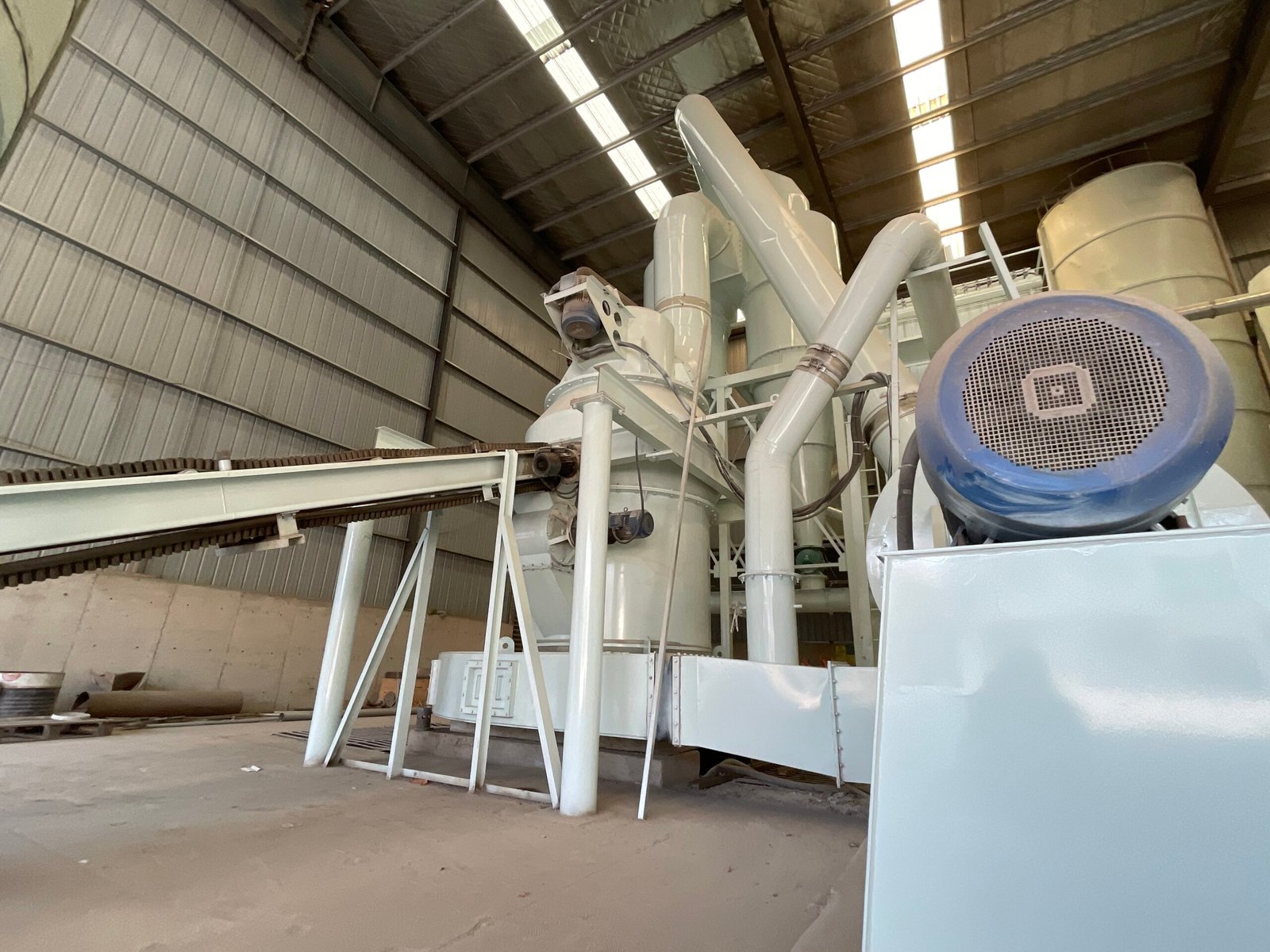
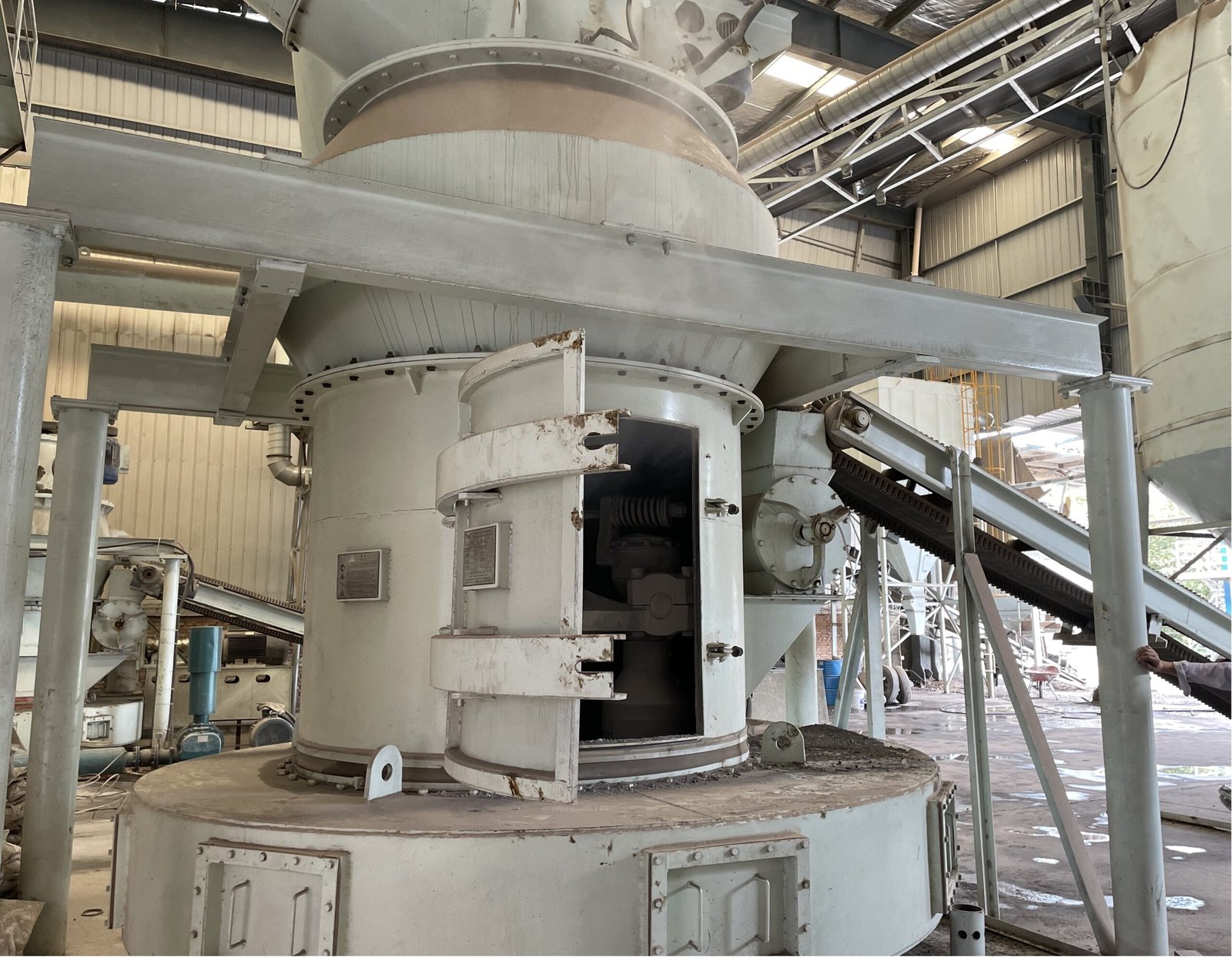
Raymond Mill: For most small and medium-sized ceramic and glass factories, the Raymond mill is a classic and economical option. It uses grinding rollers to crush and grind materials using centrifugal force, often forming a closed loop with a classification mechanism. Its advantages include a compact size, a quick return on investment, and its suitability for processing standard feldspar powder from 80 to 325 mesh. It is widely used in the production of common ceramic pastes, glazes, and fiberglass.
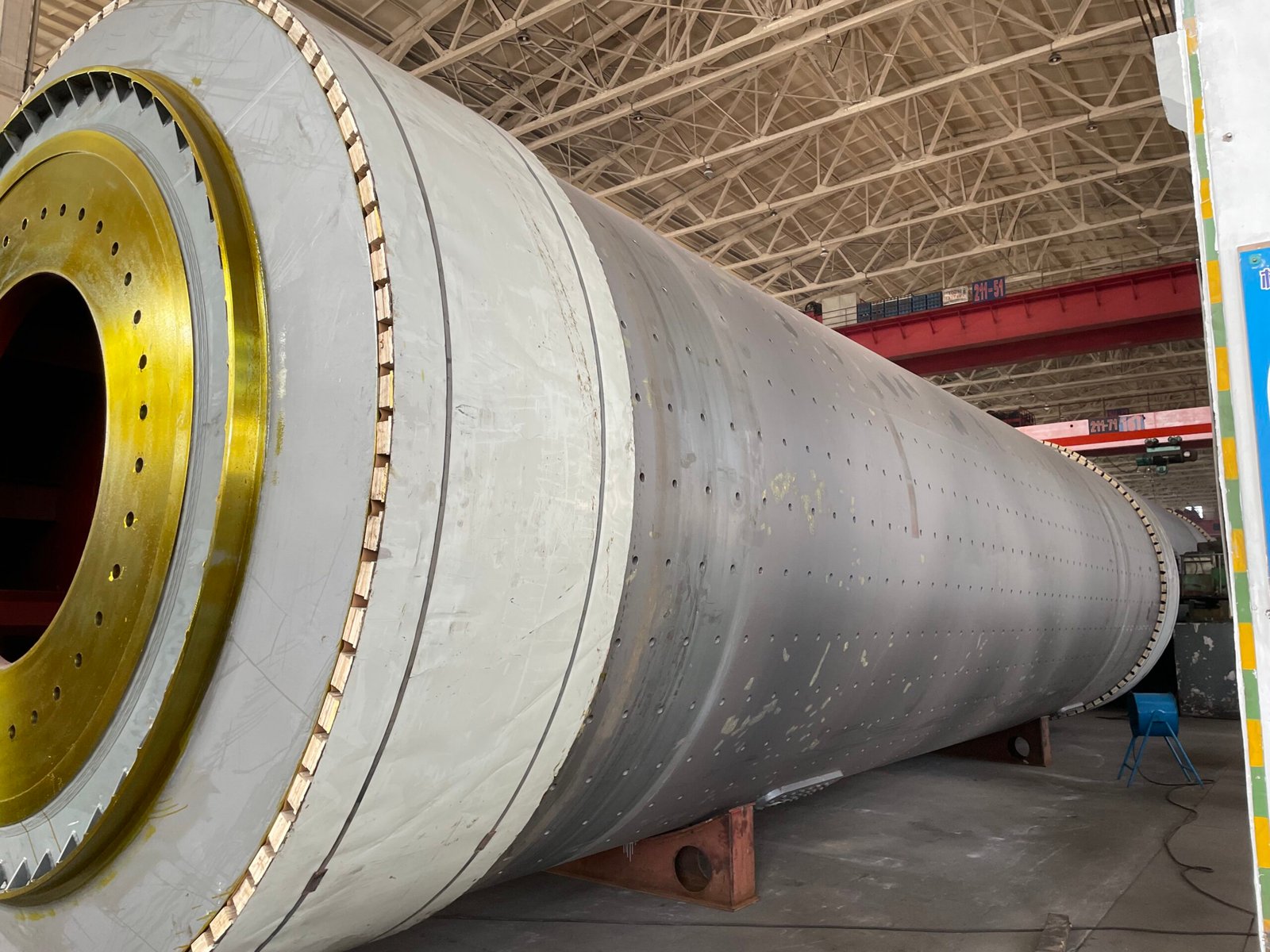
Ball mills are often a suitable option for producing ultrafine white feldspar powder with a mesh size of 800 or higher (for high-end coatings, plastic fillers, or electronic glass), especially those with high-alumina linings and grinding balls. Since conventional metallic grinding media cause wear and generate iron filings that contaminate the material, high-purity production requires the use of non-metallic media.
Operating Principle of a Raymond Mill for Feldspar
The Raymond mill’s operating process consists of three stages: crushing, classification, and collection. Once the feldspar, whether in lumps or granules, enters the grinding chamber, a paddle projects it between the rollers and the grinding ring. Under centrifugal force, the rollers press firmly against the ring, crushing the raw material. An airflow carries the fine powder to the classifier. The usable powder passes through the impeller and enters the collector, while the coarse particles are recirculated for regrinding. The system operates under negative pressure and is equipped with an impulse dust extraction system to achieve dust-free production. Adjusting the classifier speed allows for flexible control of the final feldspar fineness, between 80 and 400 mesh.