

Limestone
What is Limestone?
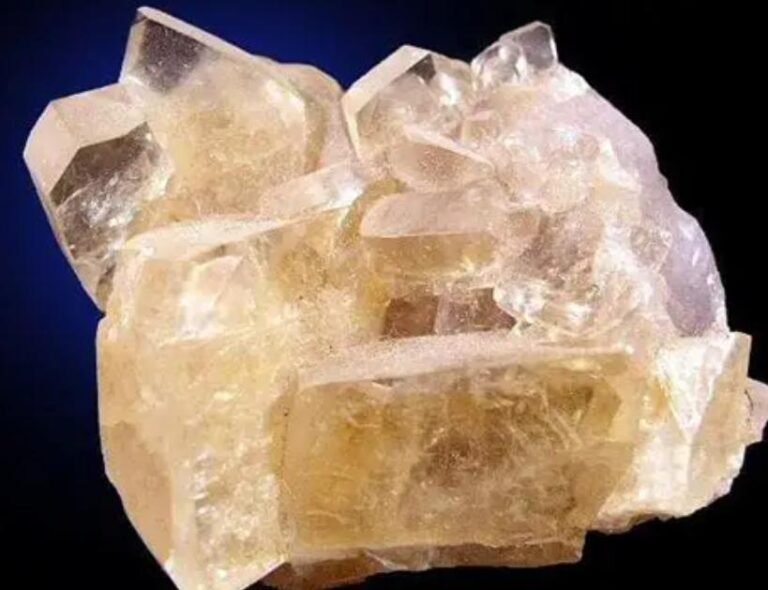
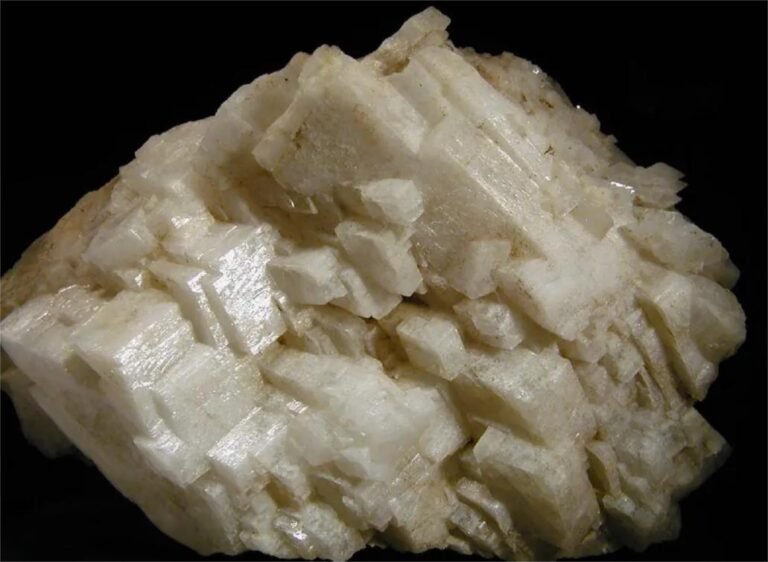
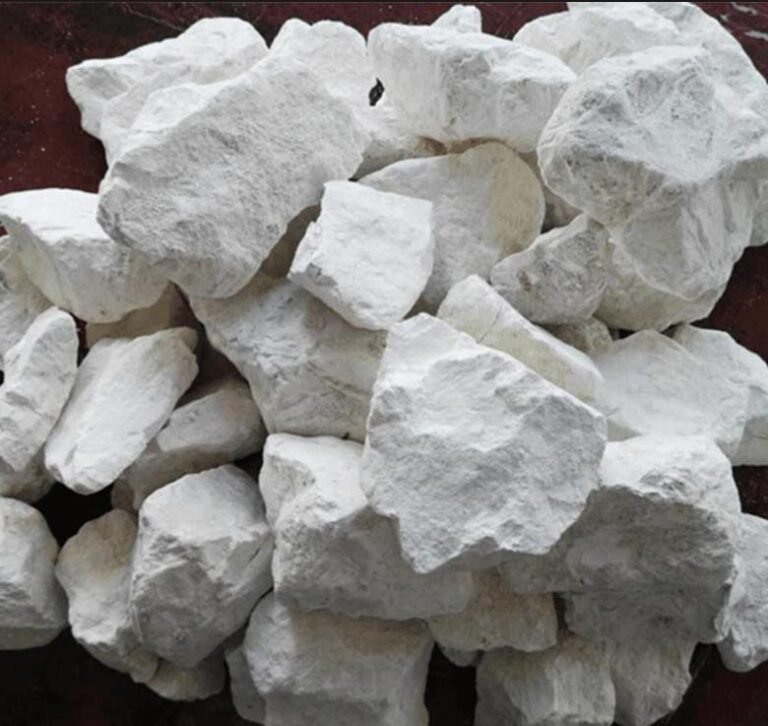
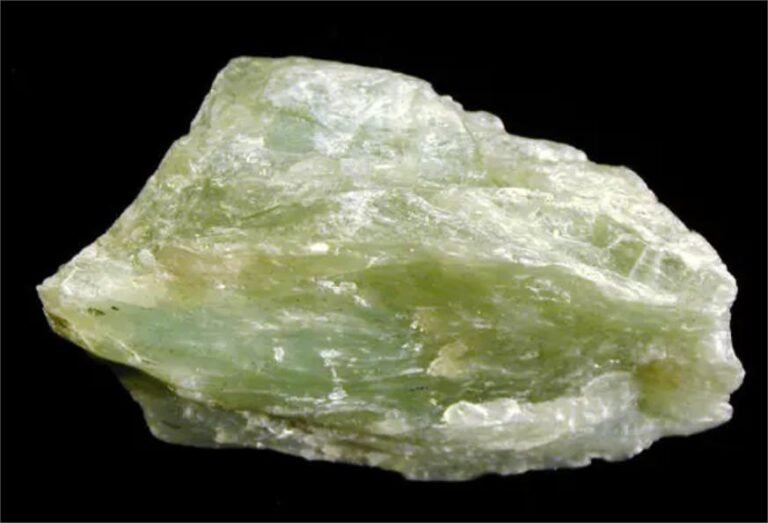
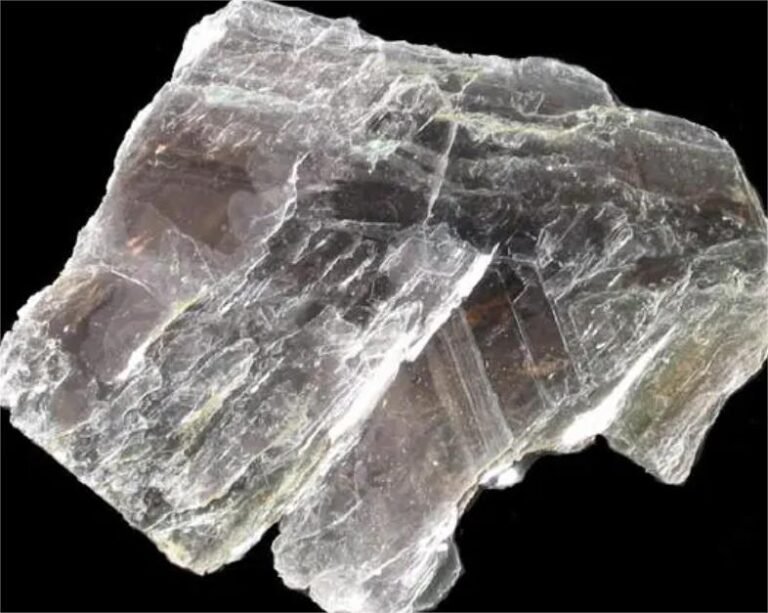
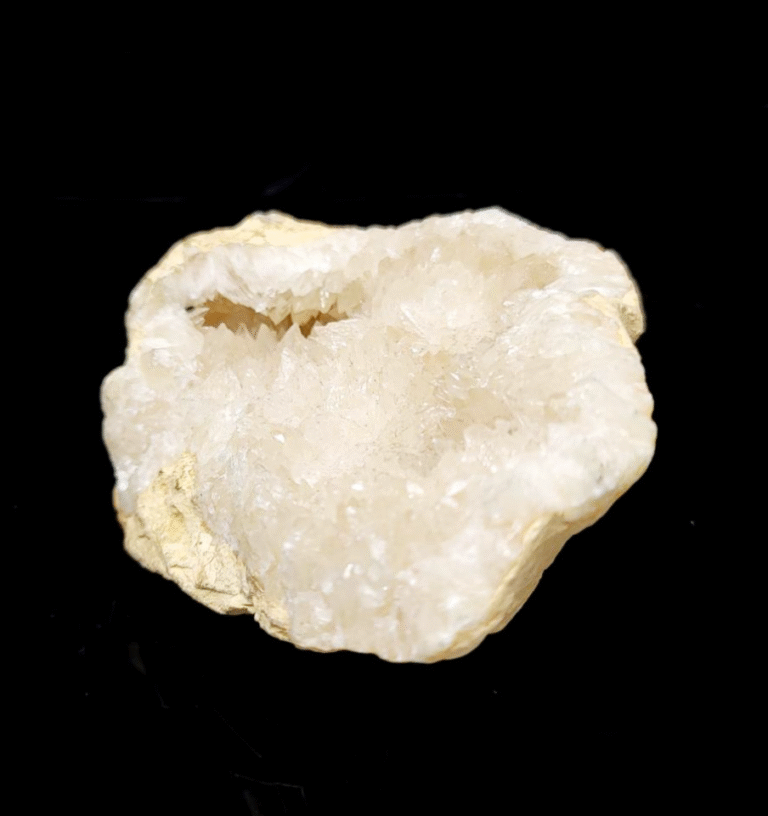
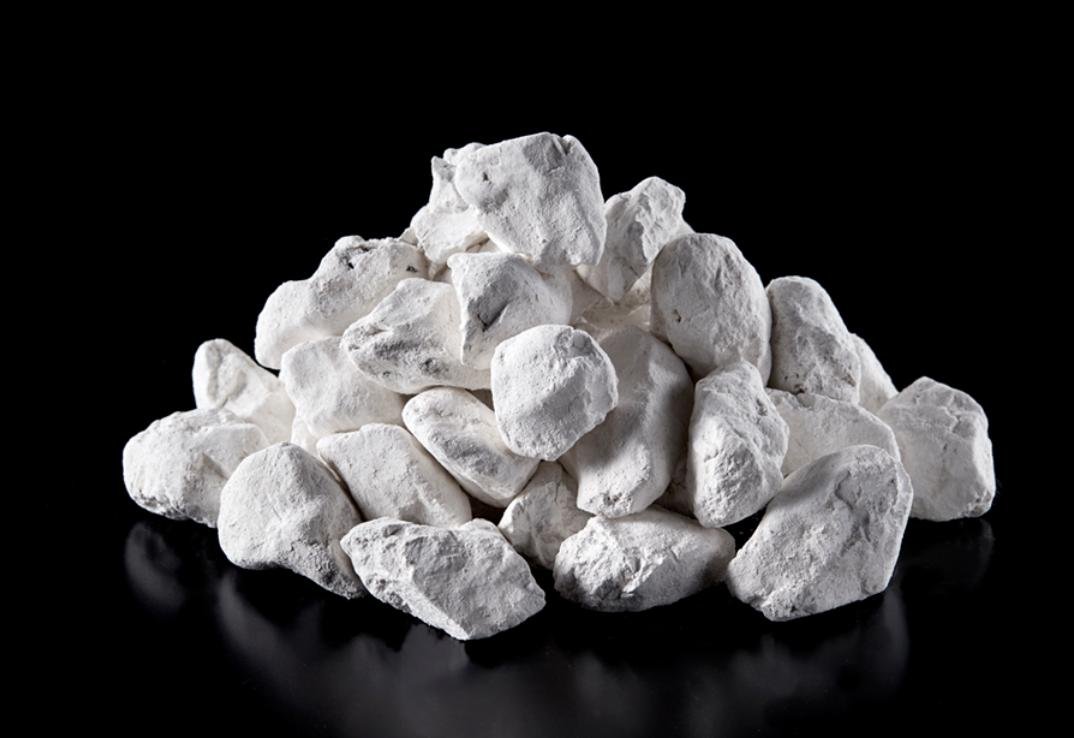
Limestone is a widespread sedimentary rock. It is composed primarily of calcite (calcium carbonate) and is usually grayish-white, light gray, or beige in color. It is hard but dissolves in acids. Limestone is not only a common building material but also an essential raw material in the steel, chemical, environmental protection, agricultural, and even food industries.
Uses of Limestone
In Latin America, limestone is locally known as “the food of industry.” Mexico produces more than 120 million tons of limestone annually, primarily for cement manufacturing and steelmaking. In Spain, limestone is a fundamental material for improving agricultural soils and desulfurizing flue gases. Throughout Latin America, limestone is essential for infrastructure construction, gold mining (using lime to adjust the pH), and even for improving agricultural soils.
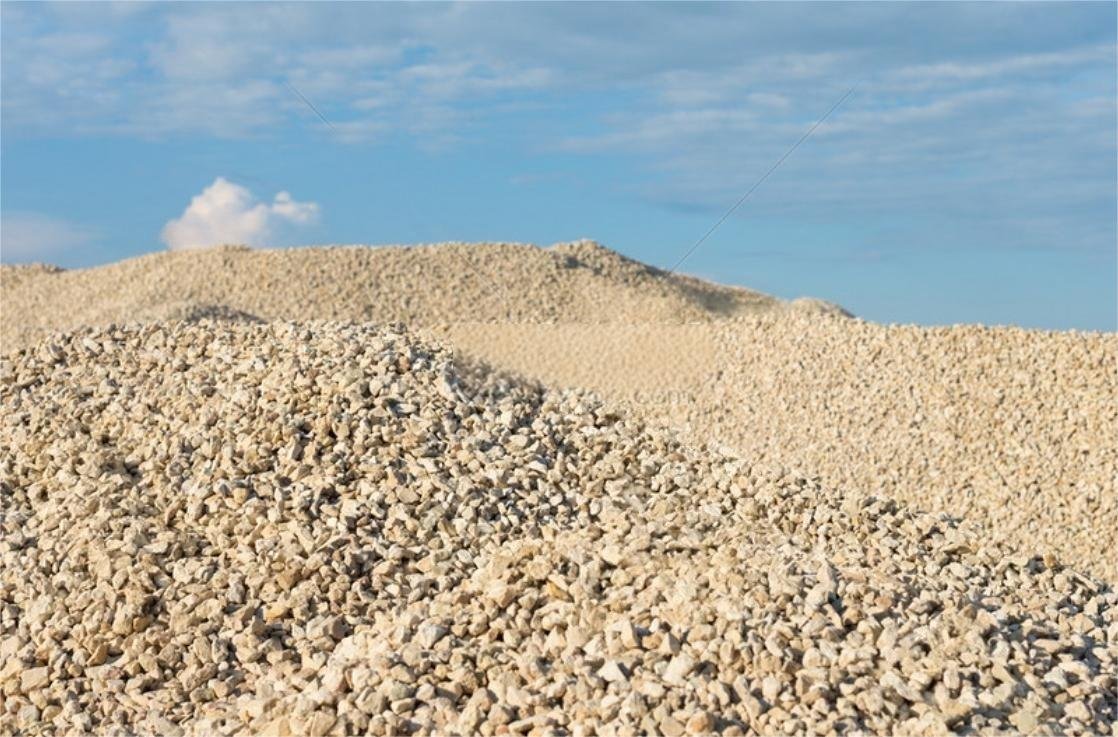
Limestone Grinding with Different Mills
Grinding is the fundamental step in transforming limestone into high-value industrial raw materials. Currently, there are three main types of mills used for limestone grinding: ball mills, micron mills, and Raymond mills.
Ball mills are suitable for continuous, large-scale production, yielding products with a fineness that typically ranges from 100 to 325 mesh. They are widely used in the desulfurization of power plants and in the preparation of raw materials for cement plants.
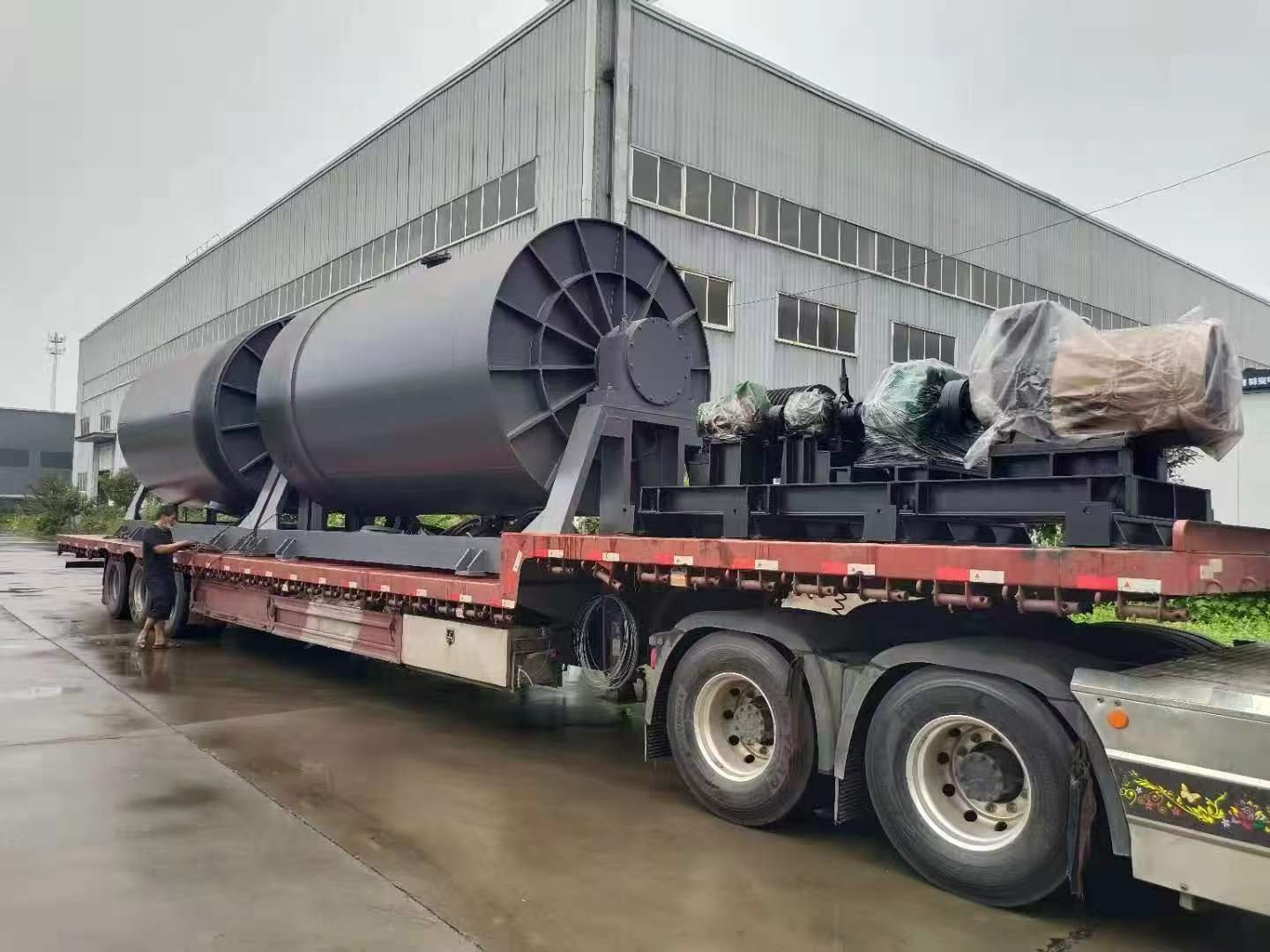
Micron mills are specialized in ultrafine powders and can grind limestone to a particle size of between 600 and 2500 mesh, allowing their use in high value-added industries such as plastics, coatings and sealants.
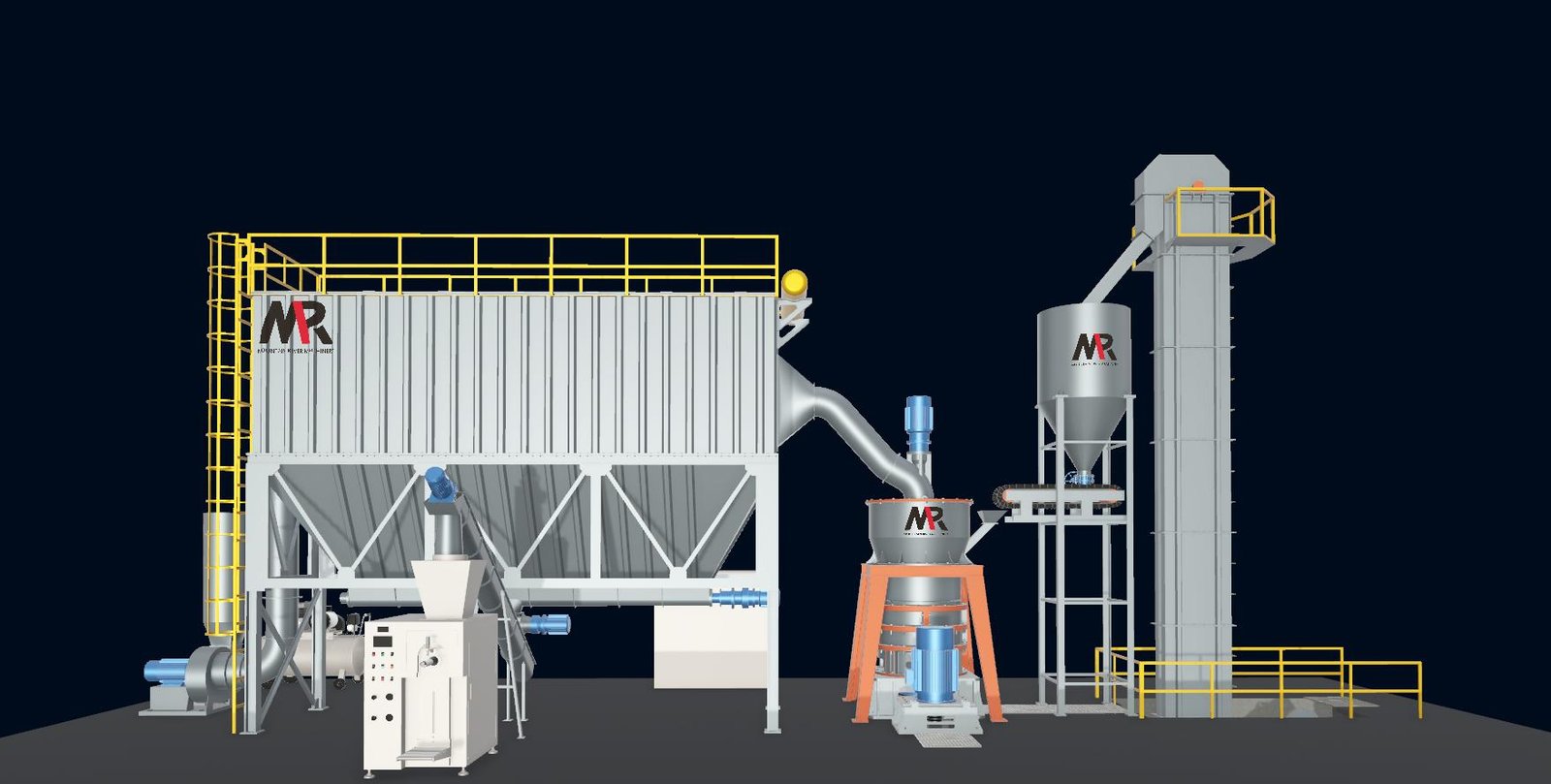
Raymond mills enable efficient and economical grinding in the medium to fine powder range (80 to 600 mesh), making them particularly suitable for small and medium-sized production lines with annual outputs of several thousand to tens of thousands of tons. They are used in common applications such as gypsum for construction, calcium powder for animal feed, and asphalt filler.
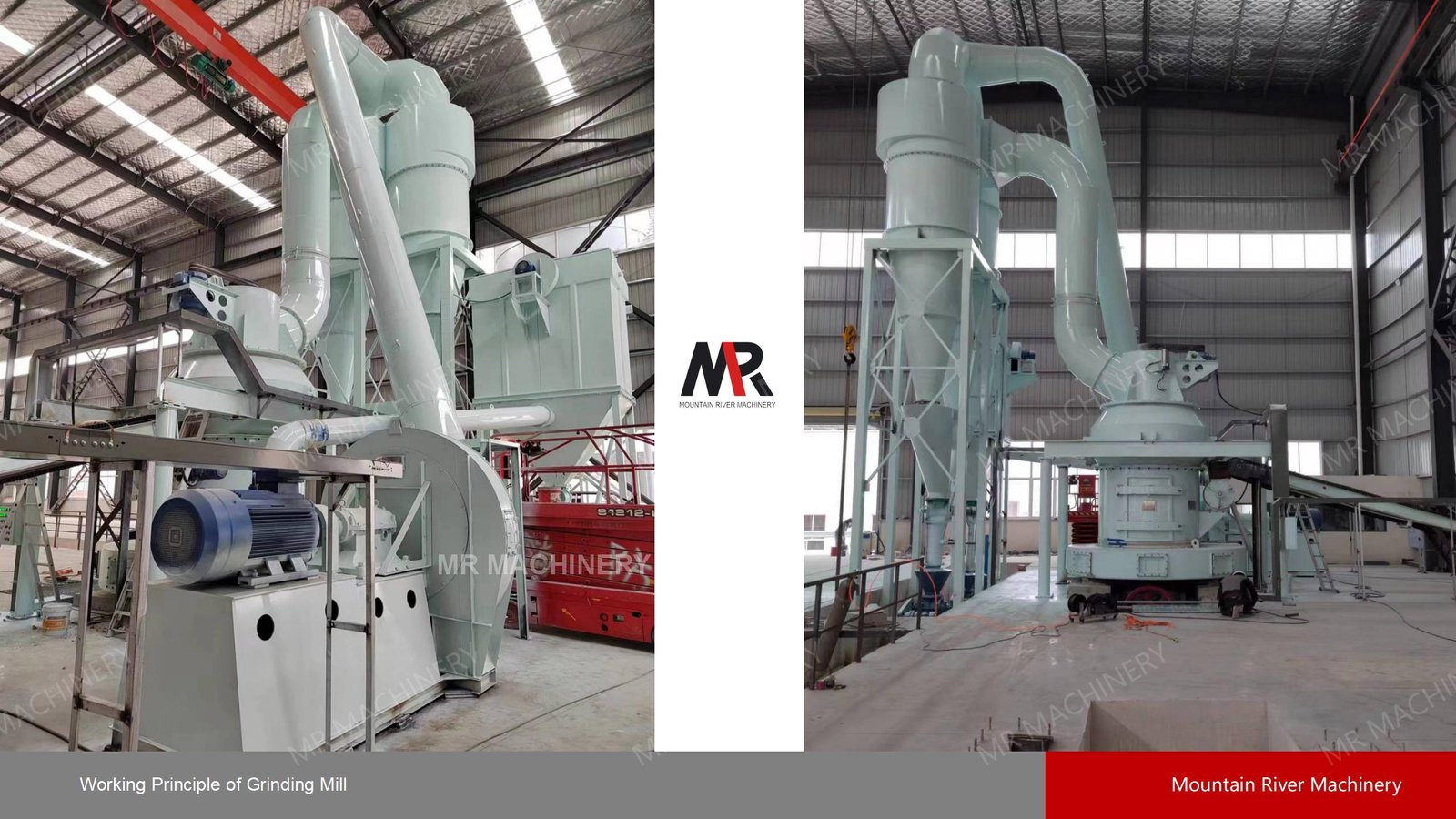
MR Grinding Equipment
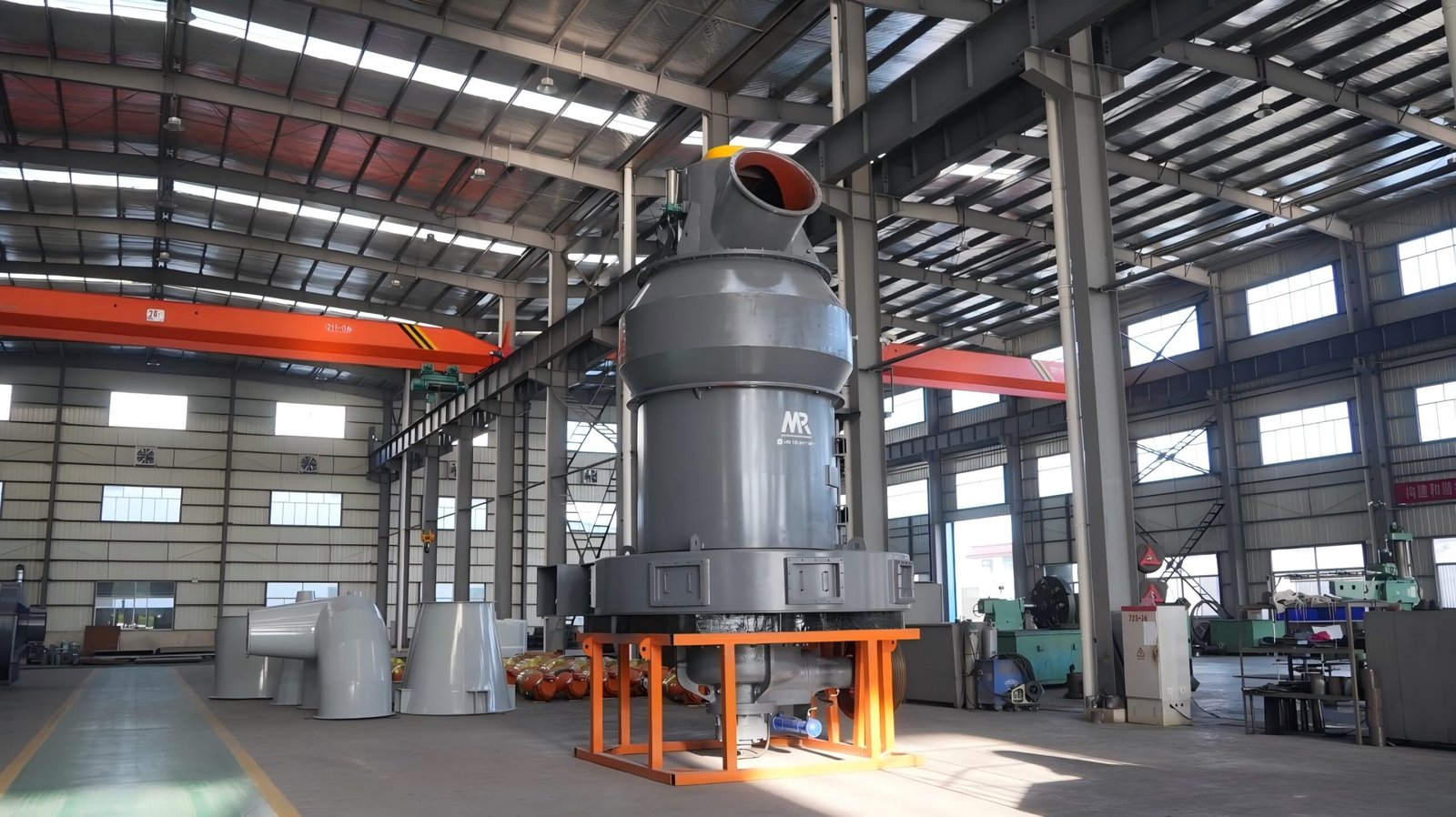
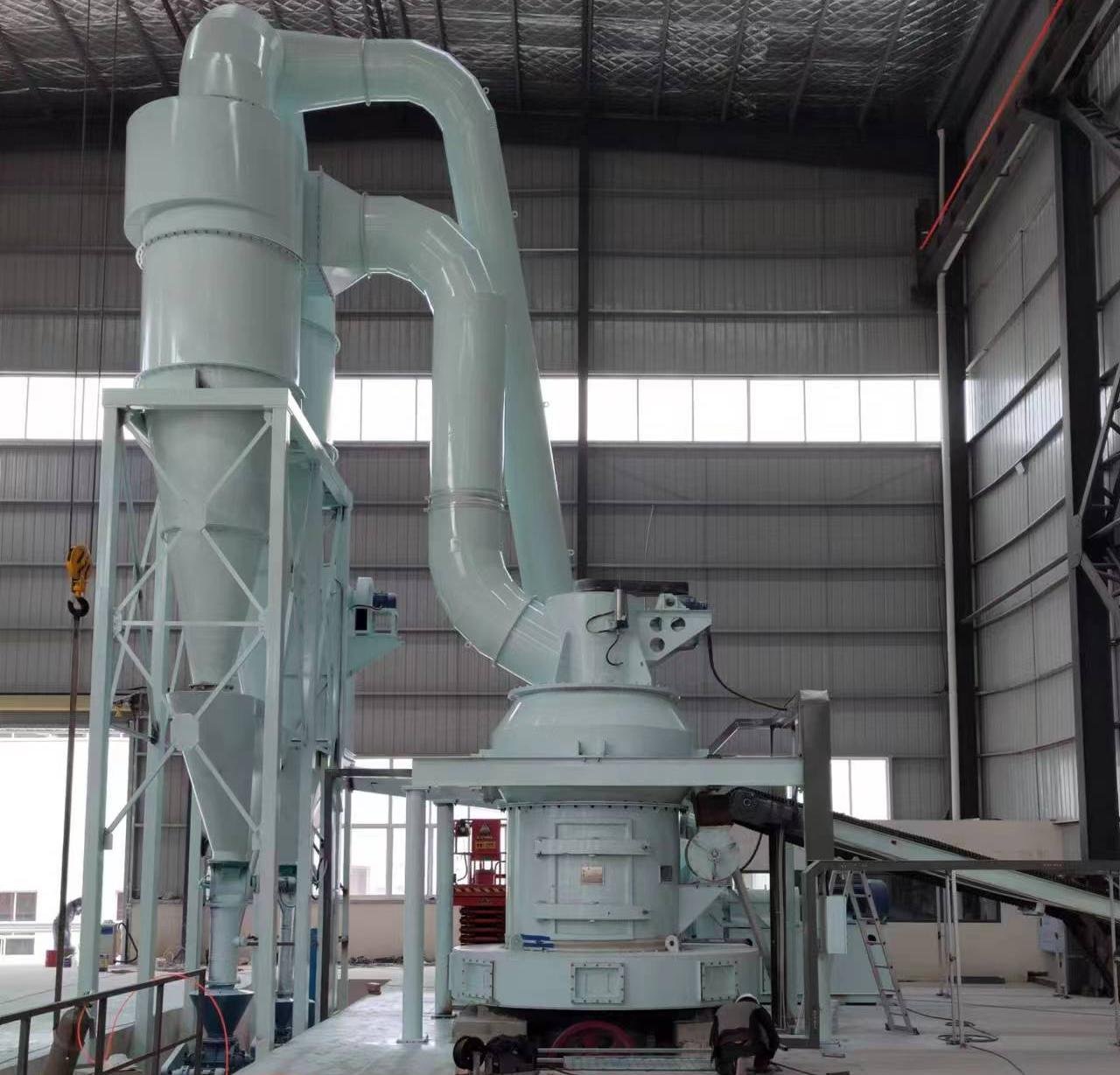
For us, the Raymond mill for limestone is the primary model we use with our Latin American clients. We have delivered several Raymond mill systems in Latin America, and customer feedback indicates that the equipment is highly adaptable, especially capable of processing limestone with high silica content and raw materials with large fluctuations in moisture content, common in Latin America. Furthermore, the service life of the grinding rollers and rings is significantly longer than the industry average.
The Value of Limestone
Limestone, classified as a “strategic non-metallic mineral,” is listed as a critical mineral by the EU and the US. With the development of new energy sources (photovoltaics, lithium batteries) and carbon capture technologies, its strategic value has increased significantly. Latin American countries are shifting from exporting raw limestone to processing it locally to improve their profits. For investors, choosing a high-performance, cost-effective Raymond mill is the starting point for capitalizing on this opportunity.