

Mica
What is Mica?
In the field of industrial minerals, mica has always played a discreet but indispensable role. It’s not as well-known as quartz or as abundant as calcite, but when you open a box of eyeshadow, examine a piece of high-temperature insulation, or evaluate a can of paint, mica is almost everywhere. The question is: how is this seemingly common mineral transformed into those fine, shiny powders? What equipment is used to grind it? What degree of grinding makes it valuable? How are costs controlled? If you’re asking yourself these questions, this article is for you.
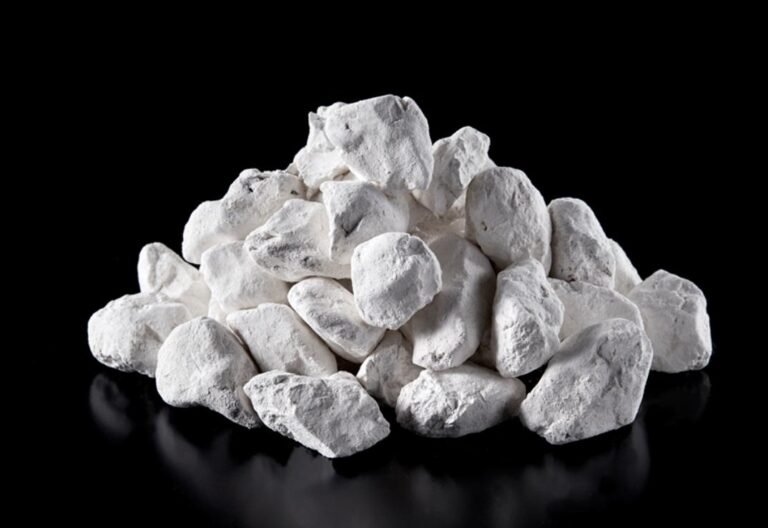
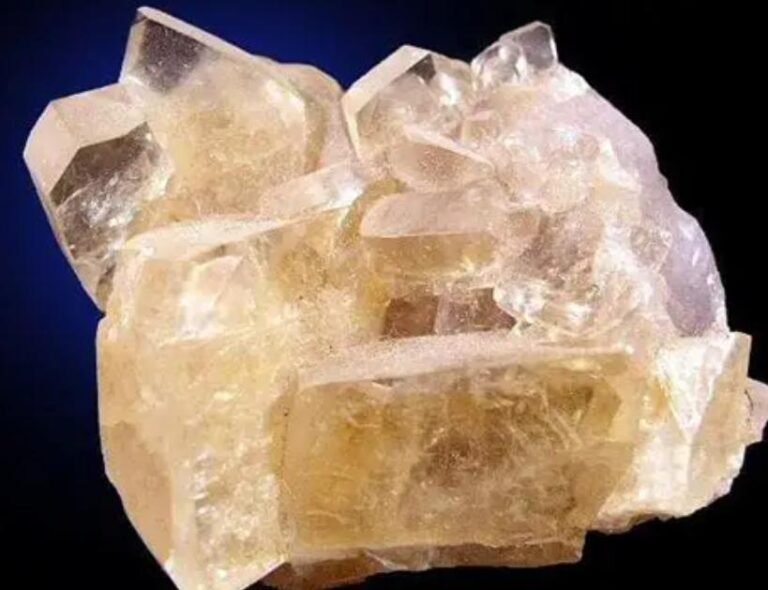
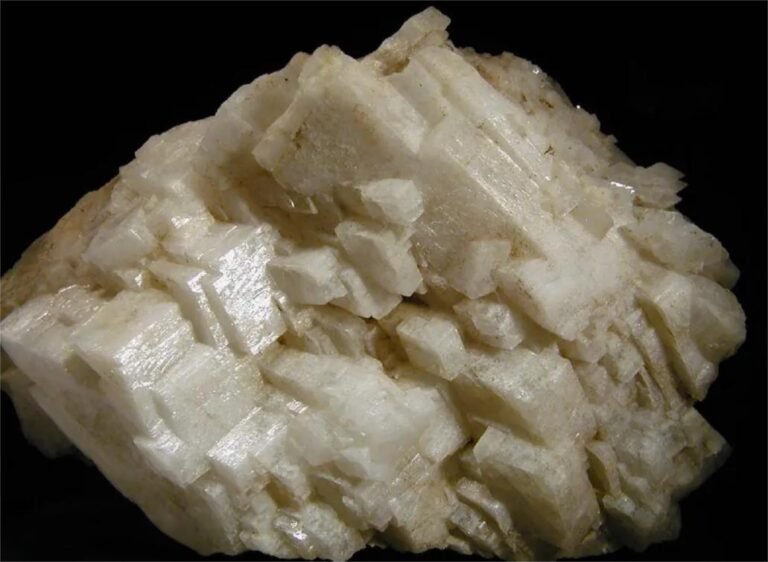
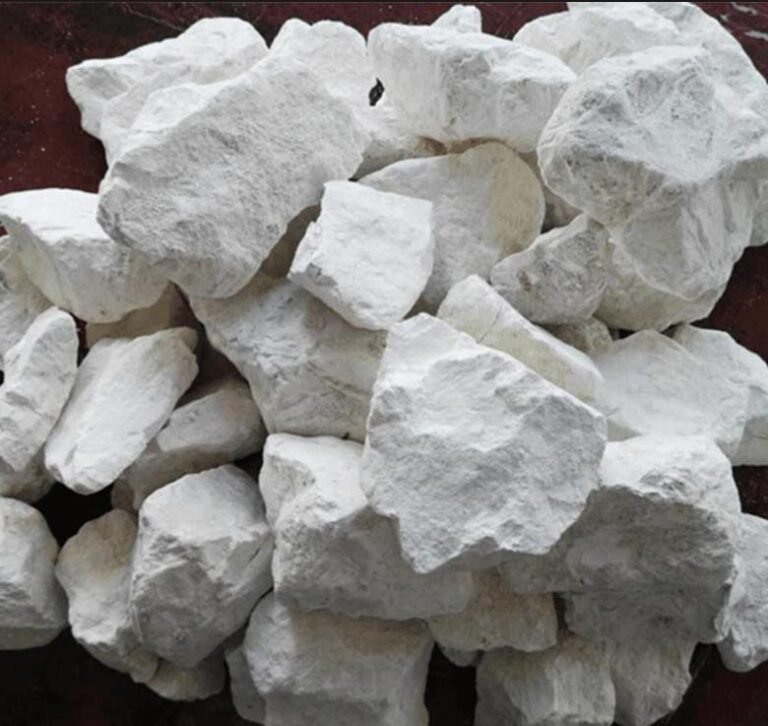
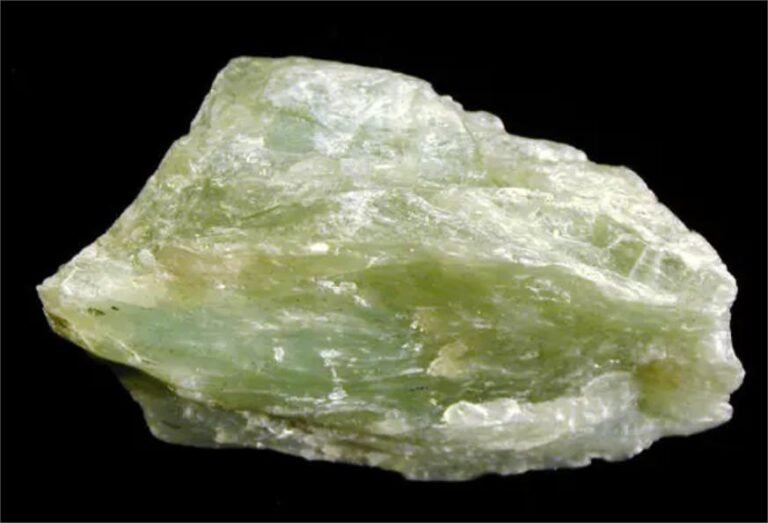
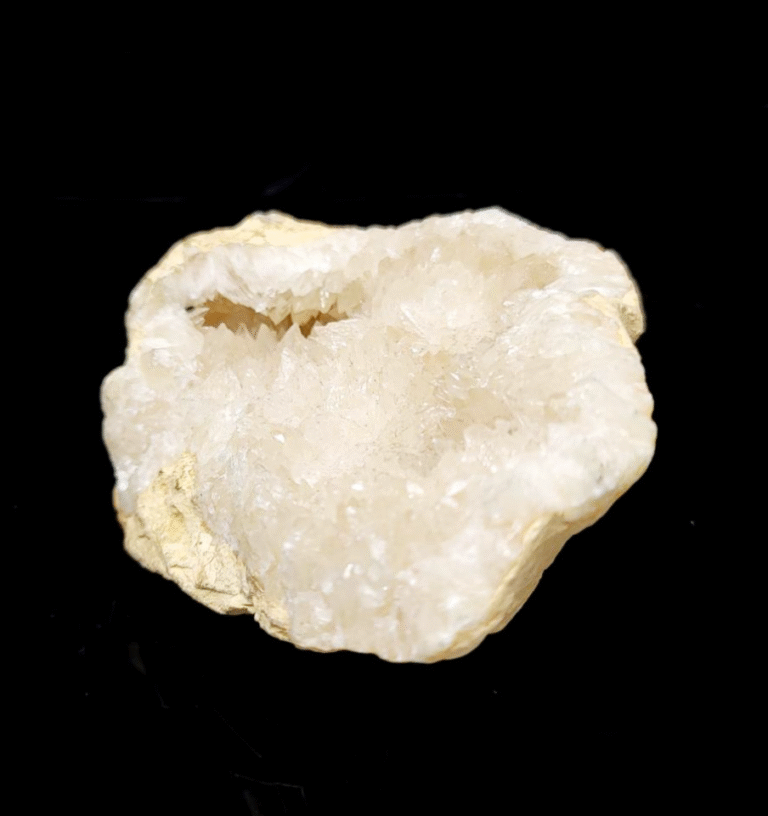
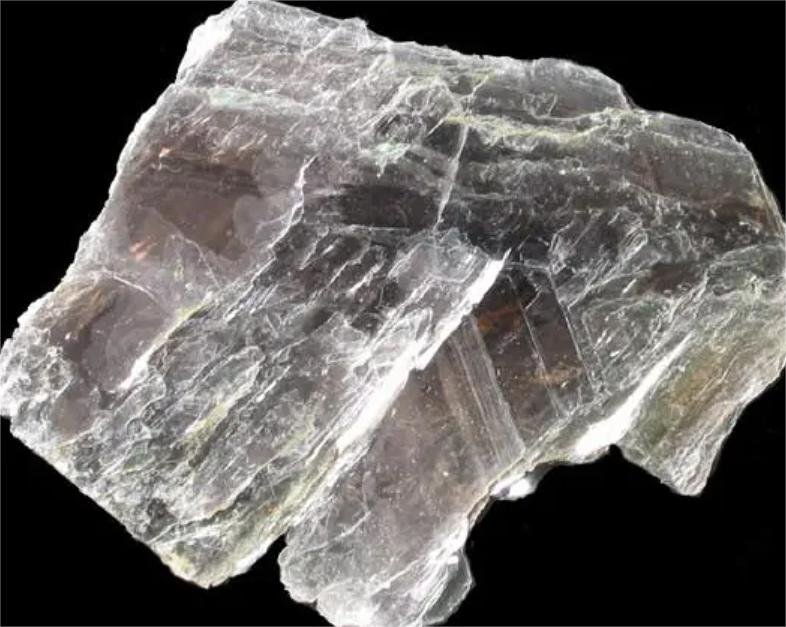
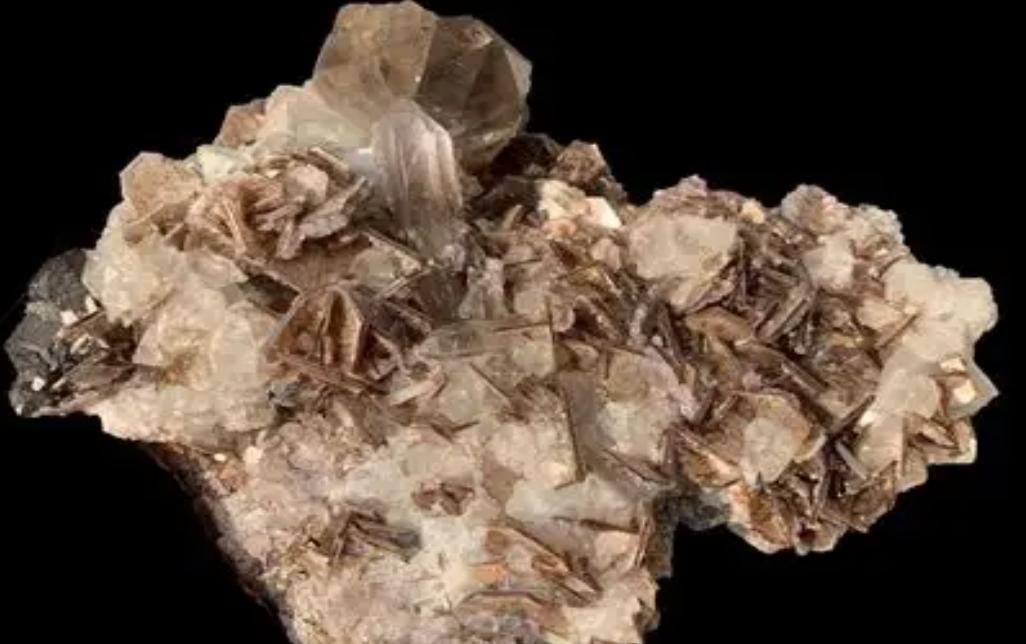
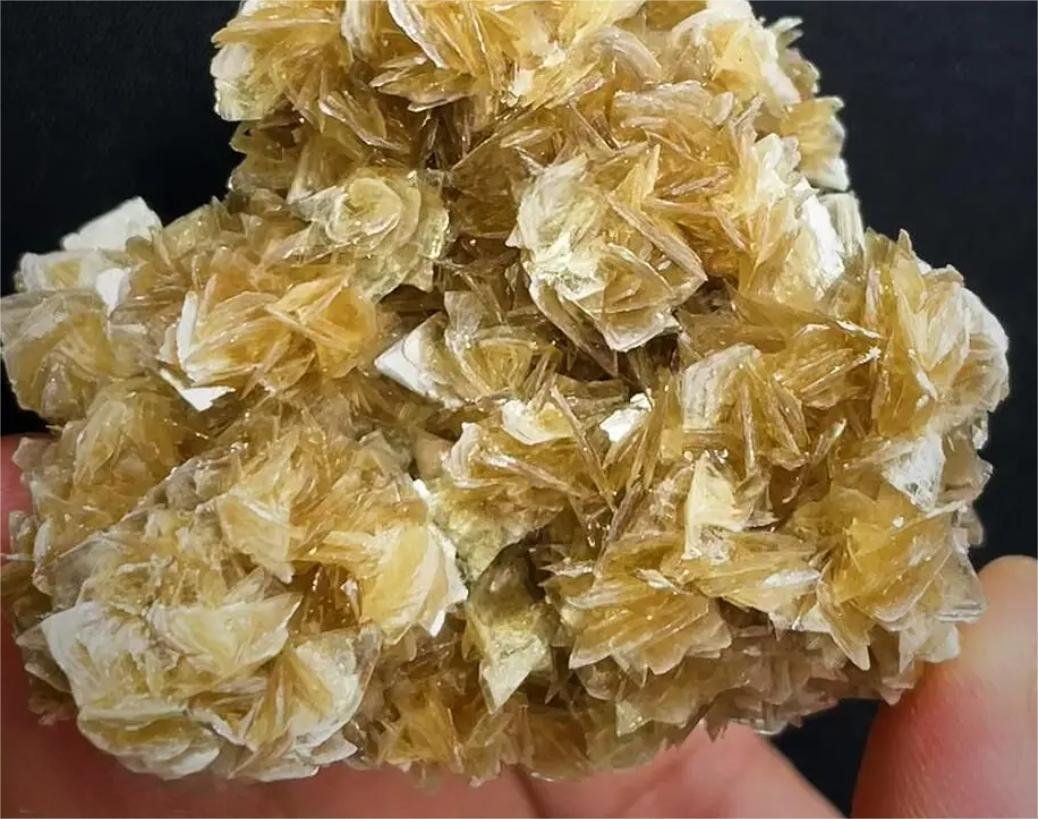
Mica belongs to the family of layered silicate minerals and is formed primarily during geological processes: differentiation by crystallization during the cooling of magma, hydrothermal alteration of pegmatite veins, or the recrystallization of pre-existing minerals in metamorphic rocks can all produce mica. Its hardness on the Mohs scale ranges from 2.5 to 3, slightly harder than a fingernail, but it can be scratched with a knife. It occurs in various colors: white mica is usually colorless or pale white, phlogopite is yellowish-brown or reddish, and black mica ranges from dark brown to black. Its crystalline form is pseudohexagonal, in the form of sheets, and its most notable characteristic is its perfect cleavage: it can be separated into thin, elastic sheets, which is why it is widely used as an insulator and filler material.
What Type of Machine Can Grind Mica?
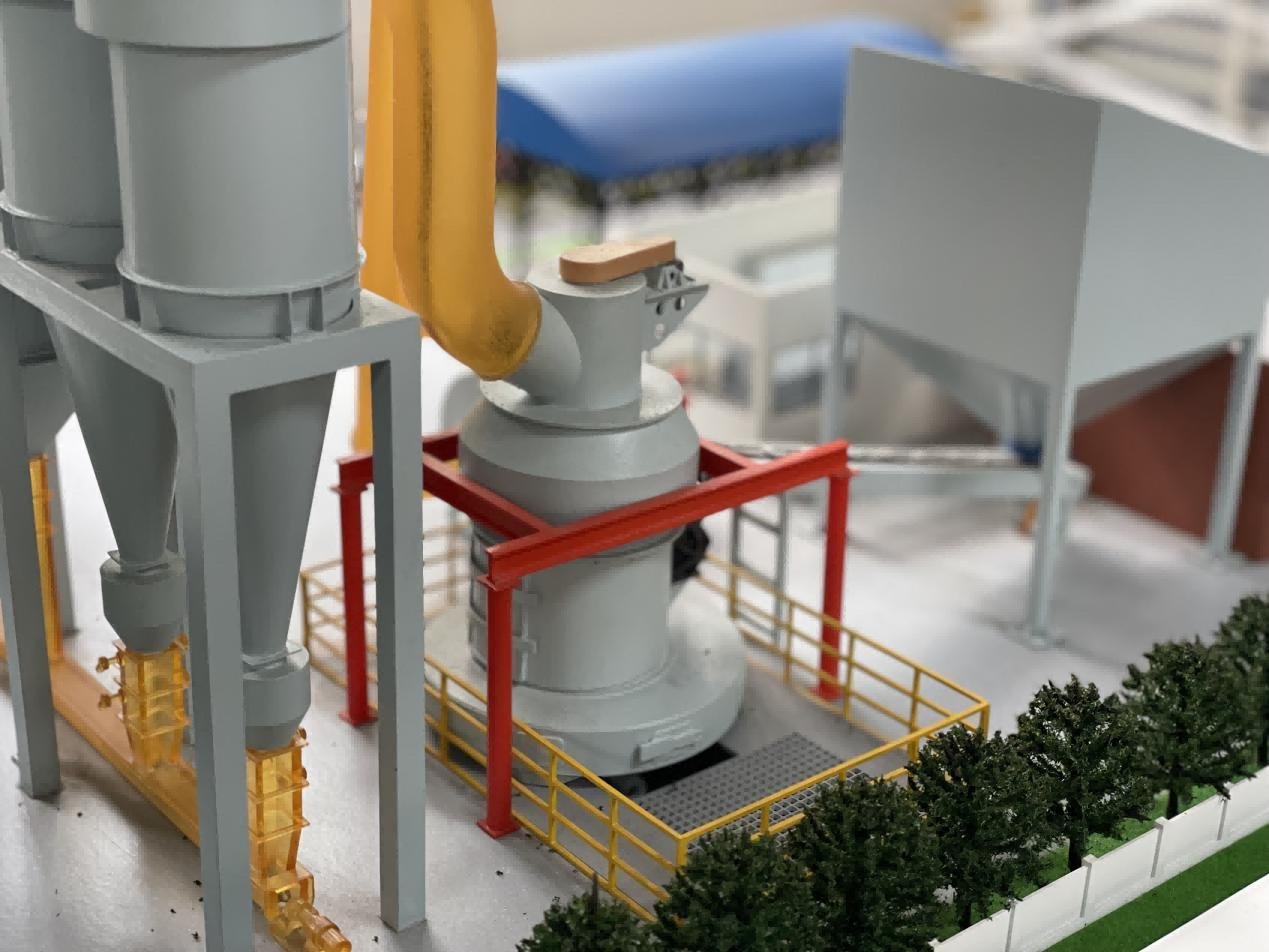
The Raymond mill is the most commonly used equipment for processing mica. It crushes the material using the action of rollers and grinding rings, while a classifier controls the fineness. For mica, a mineral with a layered structure, the advantages of the Raymond mill are: the crushing process is relatively gentle, which better preserves the integrity of the mica sheets and minimizes damage to their structure. The fineness of the final product is typically between 80 and 400 mesh, with 400 mesh being sufficient to meet the needs of most industries, such as coatings, rubber, and plastic fillers. Furthermore, the Raymond mill has moderate energy consumption, is easy to maintain, and is suitable for medium- to large-scale production.
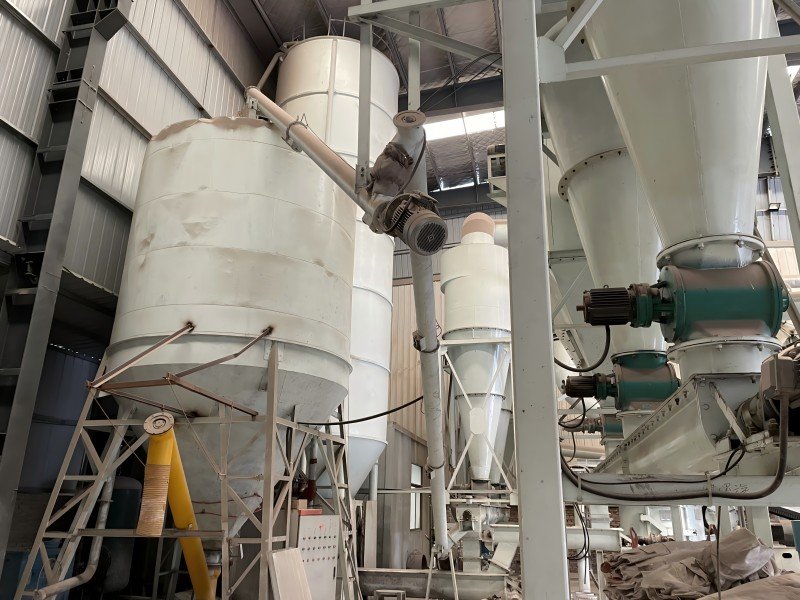
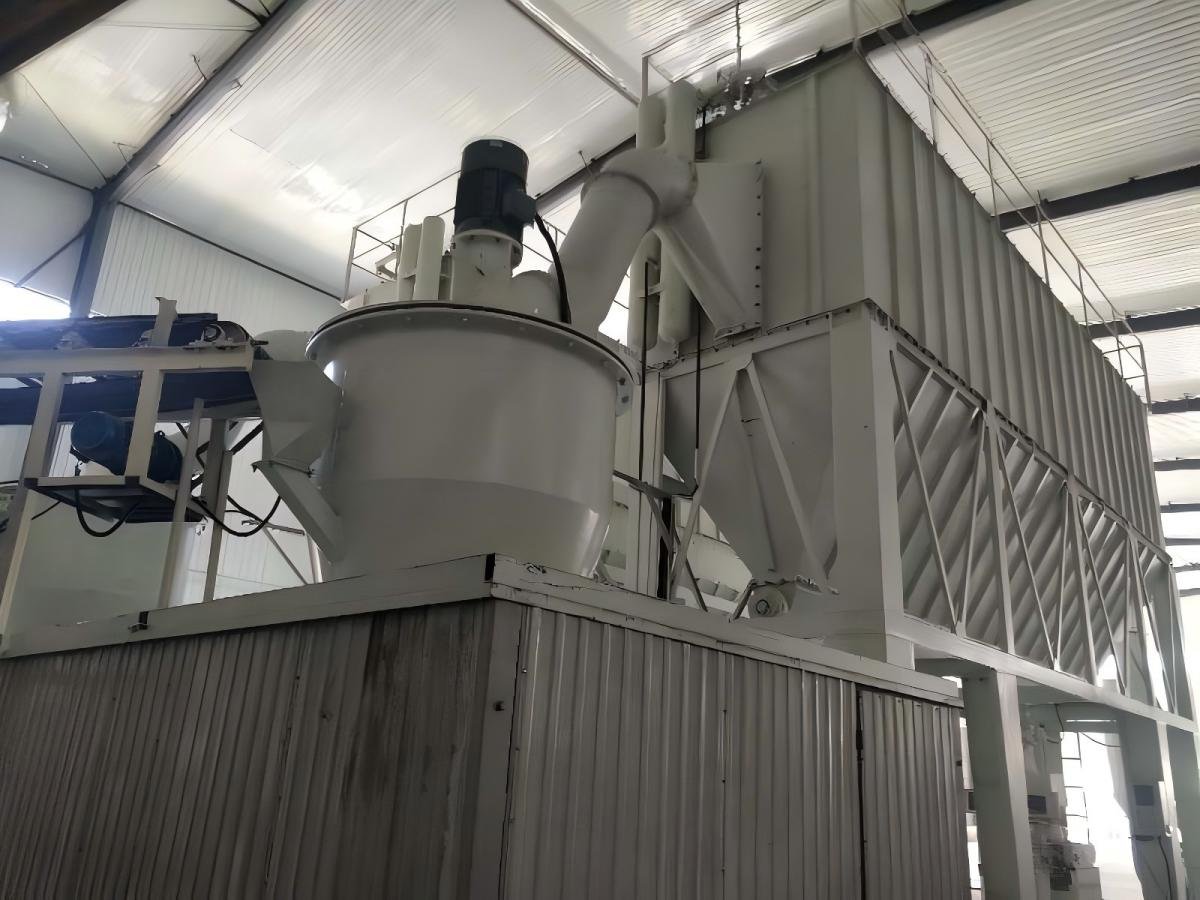
Micronizing mills are an improved version of Raymond mills. They incorporate high-pressure springs or ultrafine classification systems, allowing for the grinding of finer powders, from 600 mesh to 1250 mesh or even finer. Micronizing mills are suitable for applications requiring extremely high fineness, such as talc substitutes in high-end cosmetics, specialty coatings, and precision electronic packaging materials. However, the costs are significant: higher energy consumption, more frequent replacement of consumable parts, and stricter requirements regarding the moisture content of the raw material (generally controlled below 6%). Furthermore, high-pressure grinding can easily break down mica flakes, so a conventional Raymond mill is more suitable if the customer is particularly concerned about retaining lamellar structures.
Mica Prices and Market
The global mica market has experienced steady growth in recent years, driven primarily by the coatings, plastics, and cosmetics industries. In Latin America, Brazil is the largest producer and consumer of mica, while Argentina, Mexico, and Colombia also have numerous small and medium-sized processing plants. Regarding price, raw mica is very inexpensive; the real difference lies in the processing stage: common mica powder processed to approximately 200 mesh using a Raymond mill is several times more expensive than raw mica. If the particle size can be consistently controlled at 400 mesh with intact flakes, the price can increase even further.
Due to higher equipment import costs and lower local spare parts availability compared to Asia, the processing cost per ton for a single Raymond mill in Latin America is between 15% and 20% higher than in Southeast Asia. Therefore, many local customers prioritize equipment durability and speed of after-sales response over the price of the equipment itself.
The Future Value of Mica
The long-term value of mica lies in two aspects: first, its application as a substitute for synthetic mica in some mid-range applications (with significant cost advantages); and second, the development of new applications in the fields of renewable energy and functional coatings. In Latin America, as the electric vehicle industry’s value chain expands to Chile and Brazil, the demand for high-temperature resistant insulating mica products is increasing.
Meanwhile, the demand for high-whiteness, high-aspect-ratio mica powder from the local cosmetics industry in Latin America (especially in Colombia and Brazil) is growing annually. Over the next five years, factories capable of reliably producing mica powder with a mesh size of 400 or higher, intact flakes, and meeting whiteness standards using Raymond mills will have significant bargaining power in the Latin American market.
Advantages of Raymond Mills for Mica Grinding
Advantage 1: Excellent preservation of the lamellar structure. Our grinding rolls feature an eccentric design that primarily applies compressive force rather than shear force when crushing mica flakes, resulting in a significantly higher aspect ratio than conventional Raymond mills.
Advantage 2: Precise and controllable fineness. The standard configuration includes a double classification system: a first stage for pre-separating coarse particles and a second stage for precision classification. Furthermore, the speed of the classification roll is adjustable, allowing for particle size modification without the need to replace parts.
Advantage 3: Adaptable to local mineral conditions in Latin America. Mica mines in Peru and Chile often contain small amounts of quartz (hardness 7), which can be easily worn down by conventional Raymond mills. Our optimized roll surface design allows for more frequent roll replacements when processing ores with up to 5% quartz.
In summary, if you process mica in Latin America and want to obtain quality powder with a fine mesh size of 200-400 and an intact lamellar structure at a reasonable cost, our Raymond mill is currently the most practical option on the market.