

Talc
What is Talc?
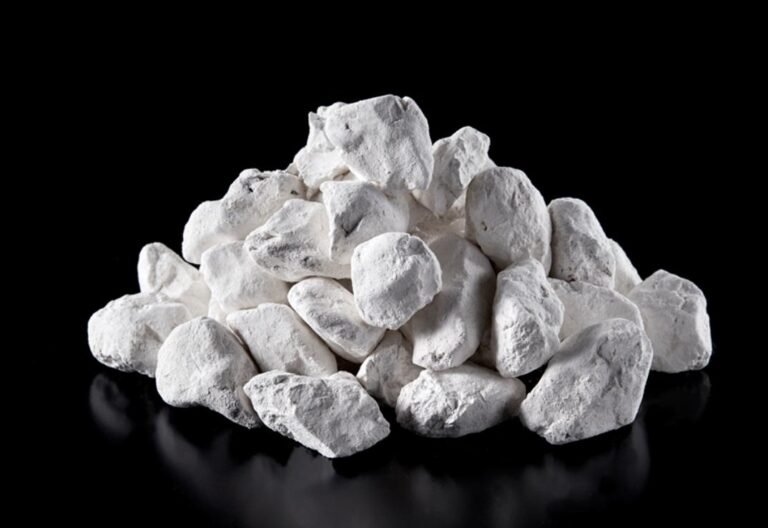
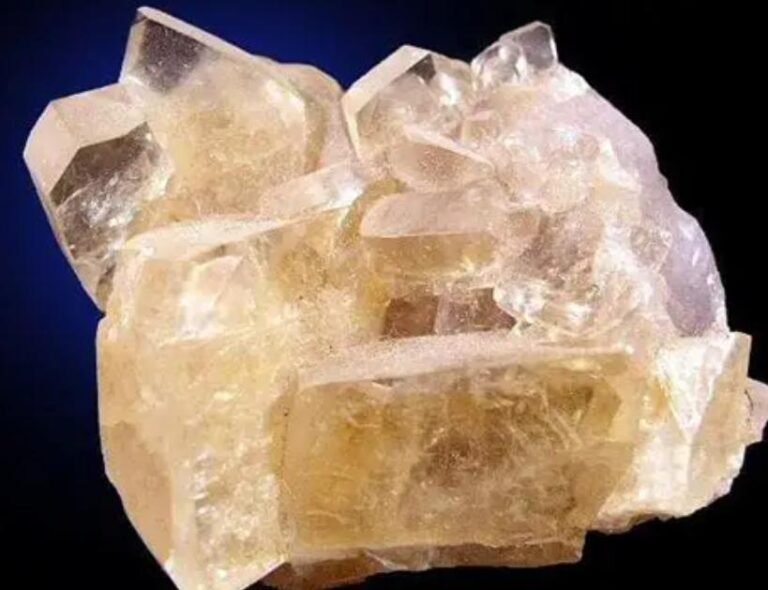
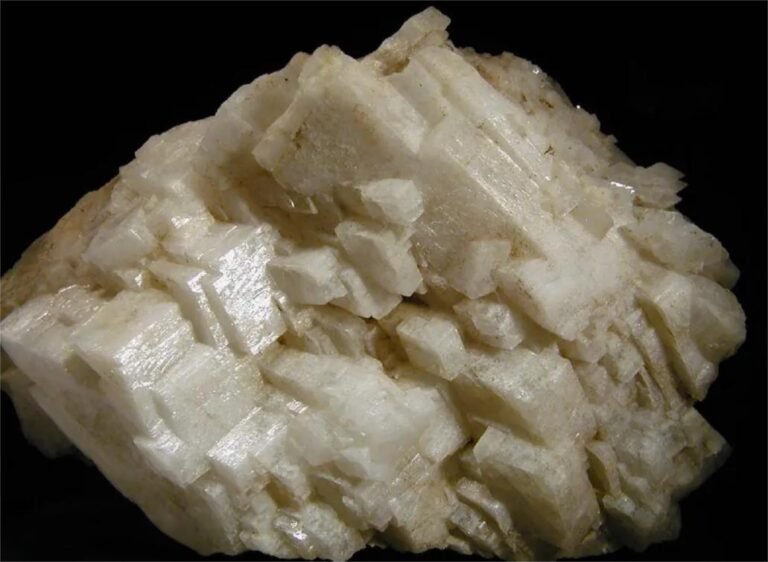
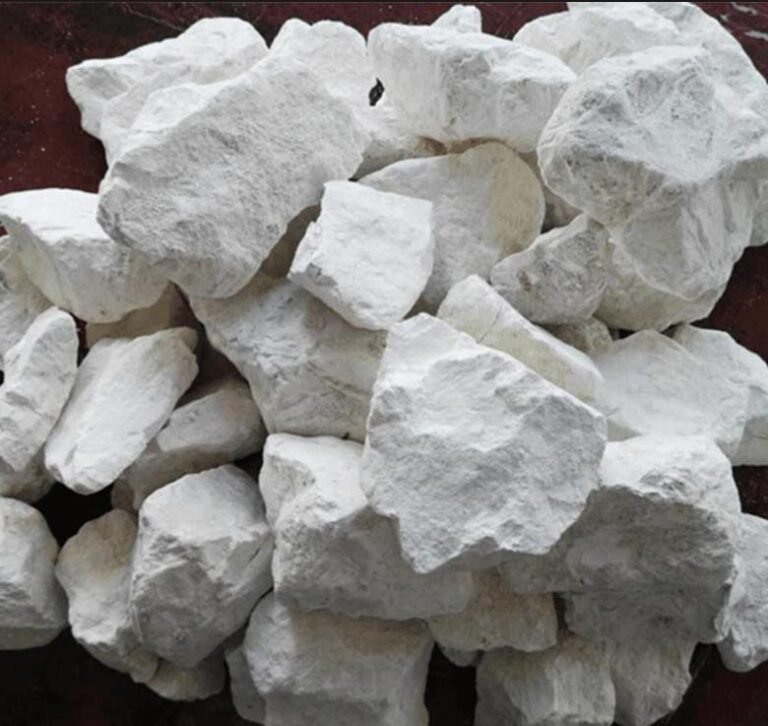
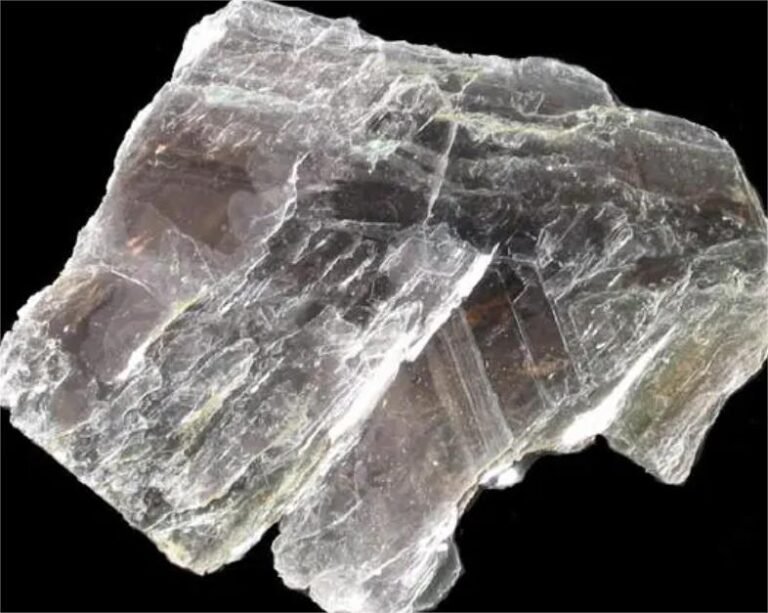
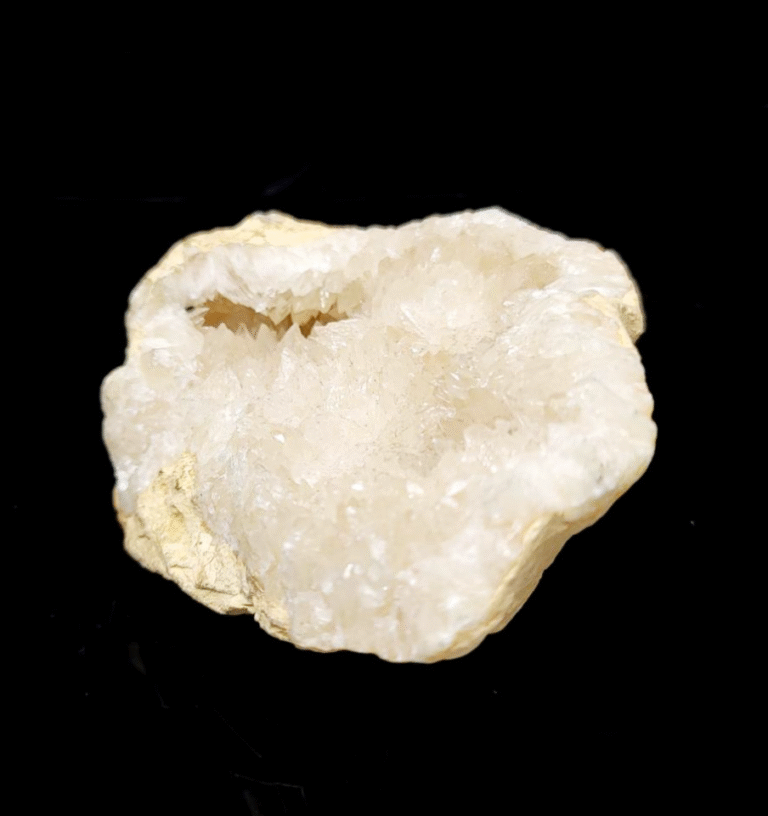
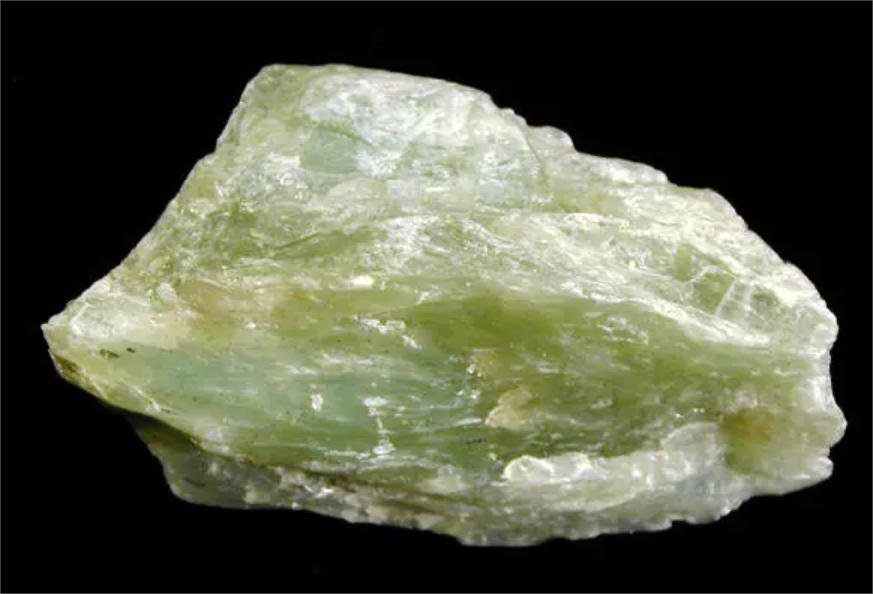
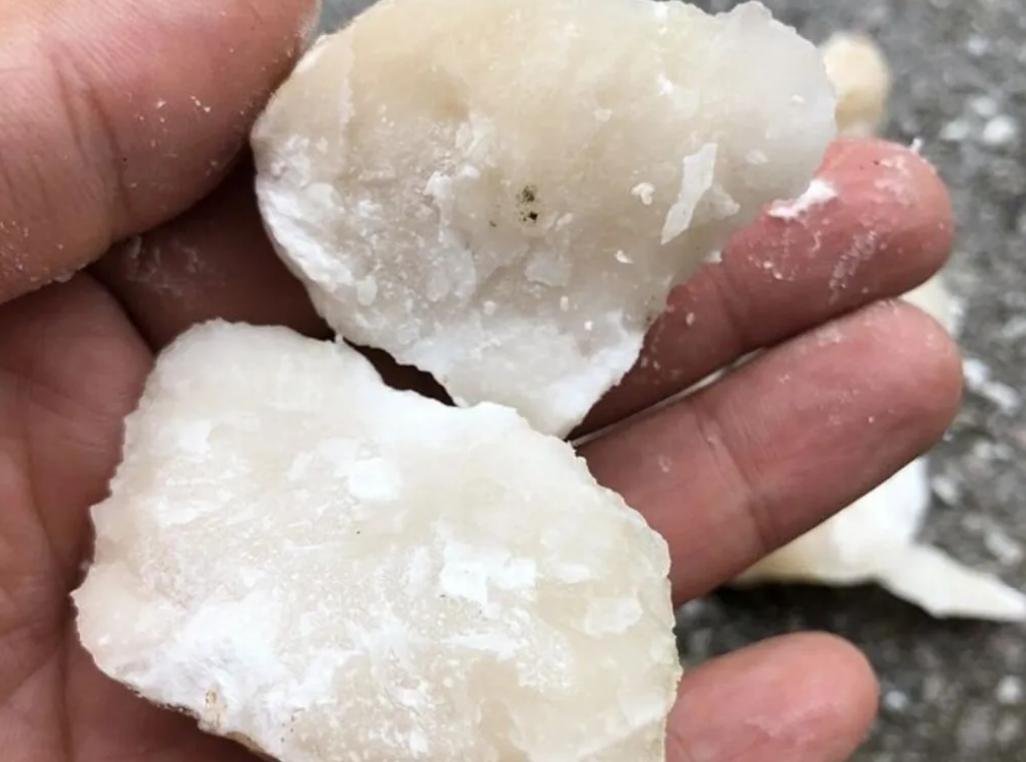
Talc formation is related to hydrothermal alteration and regional metamorphism. Magnesium-rich rocks (such as dolomite and serpentinite) are gradually transformed into talc over long geological periods under the influence of carbon dioxide and hydrothermal fluids. Pure talc is white, milky white, or pale green, with a Mohs hardness of only 1, making it one of the softest minerals in nature; it can be scratched with a fingernail. Its crystals are usually platy or massive, with perfect cleavage, giving them a slippery texture and hydrophobicity. The whiter and purer it is, the greater its industrial value.
How to Grind Talc
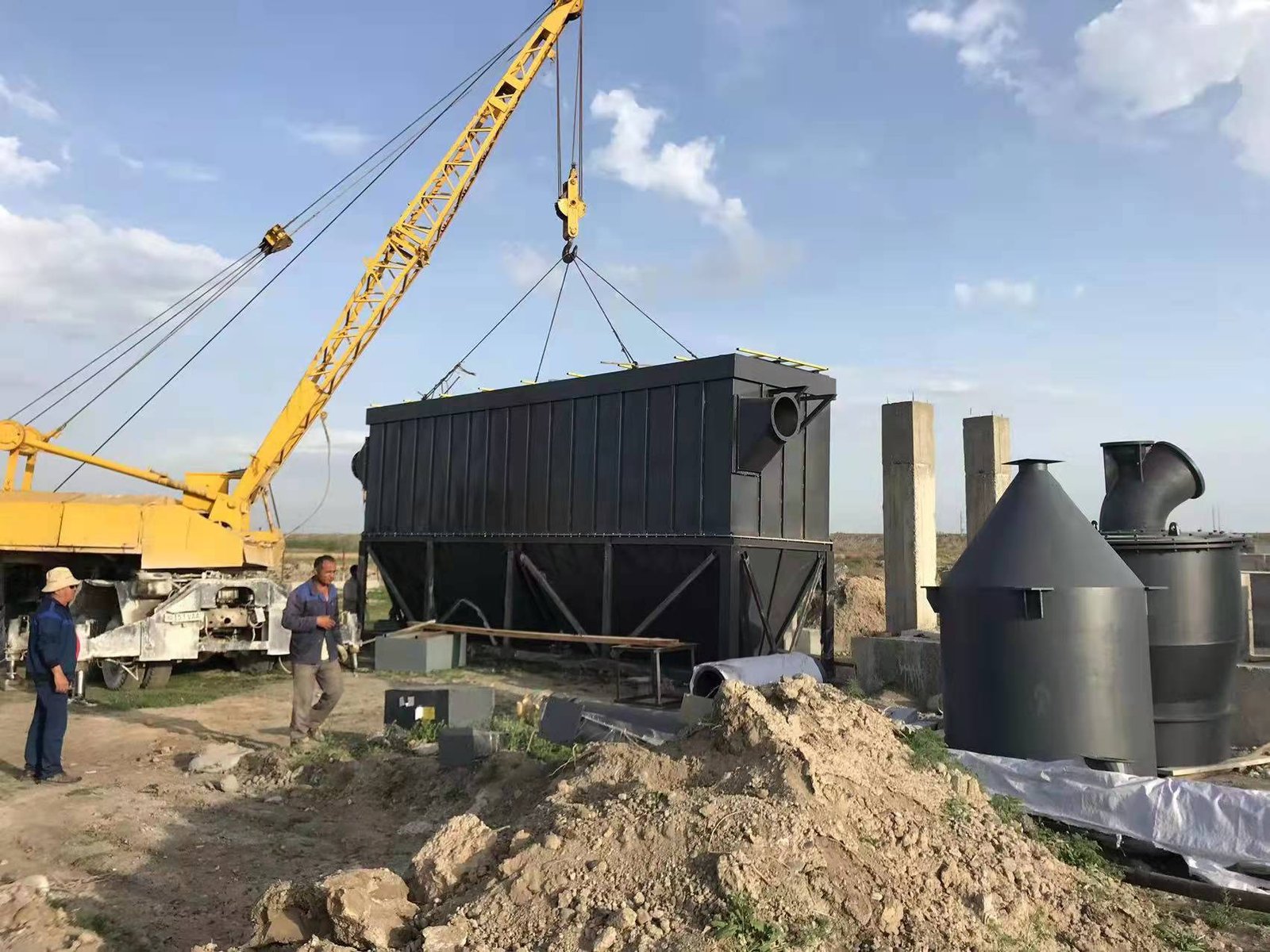
Currently, the two most commonly used pieces of equipment for grinding talc in the industry are Raymond mills and micron mills.
Raymond mills are roller mills that grind materials using centrifugal force with grinding rollers, and the fineness of the final product is controlled by an air separator. They are suitable for processing materials of medium to low hardness, where talc compacts perfectly. A standard Raymond mill can grind talc to a particle size of 80 to 400 mesh, meeting the needs of most fillers, coatings, and plastics industries.
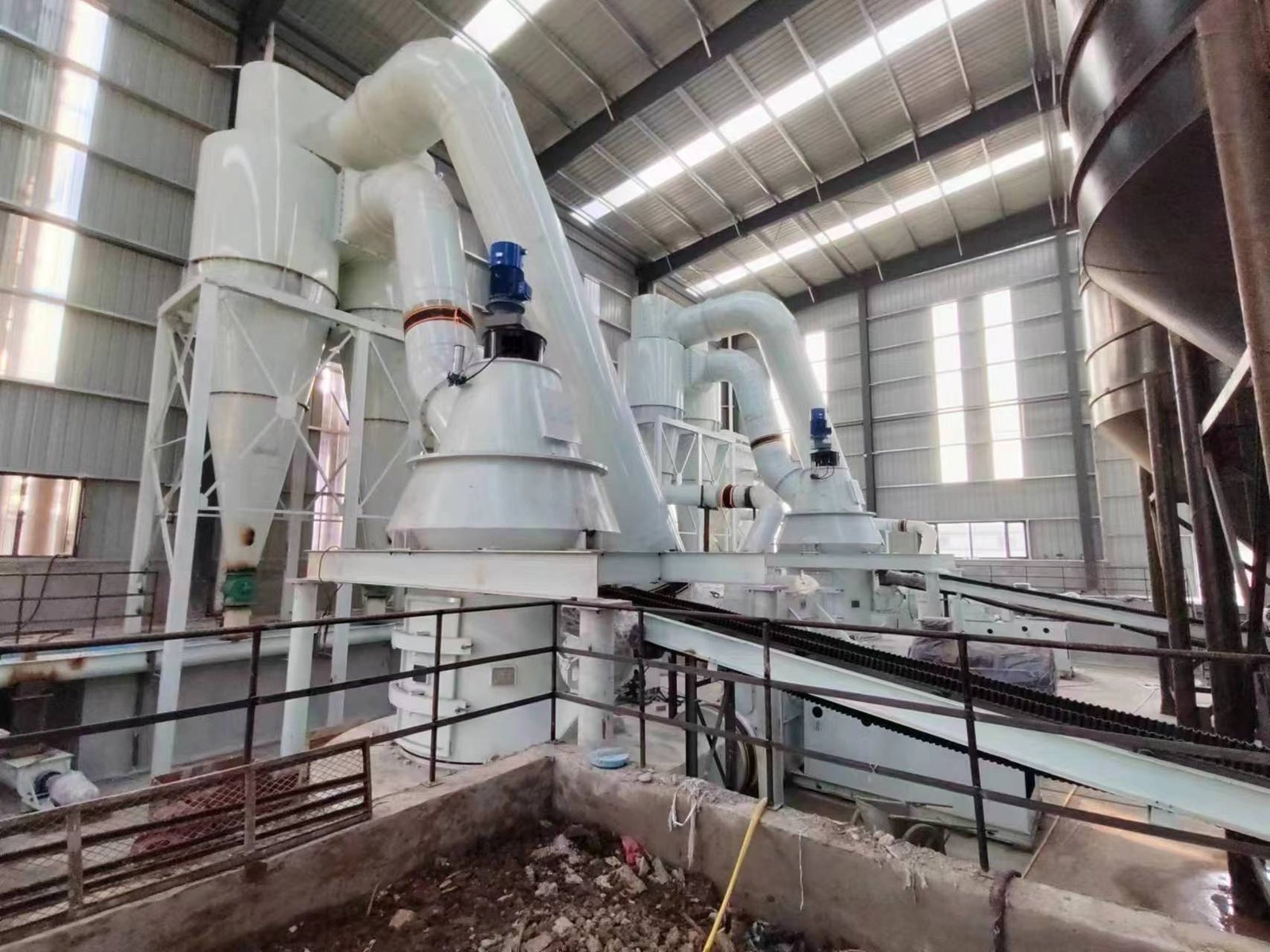
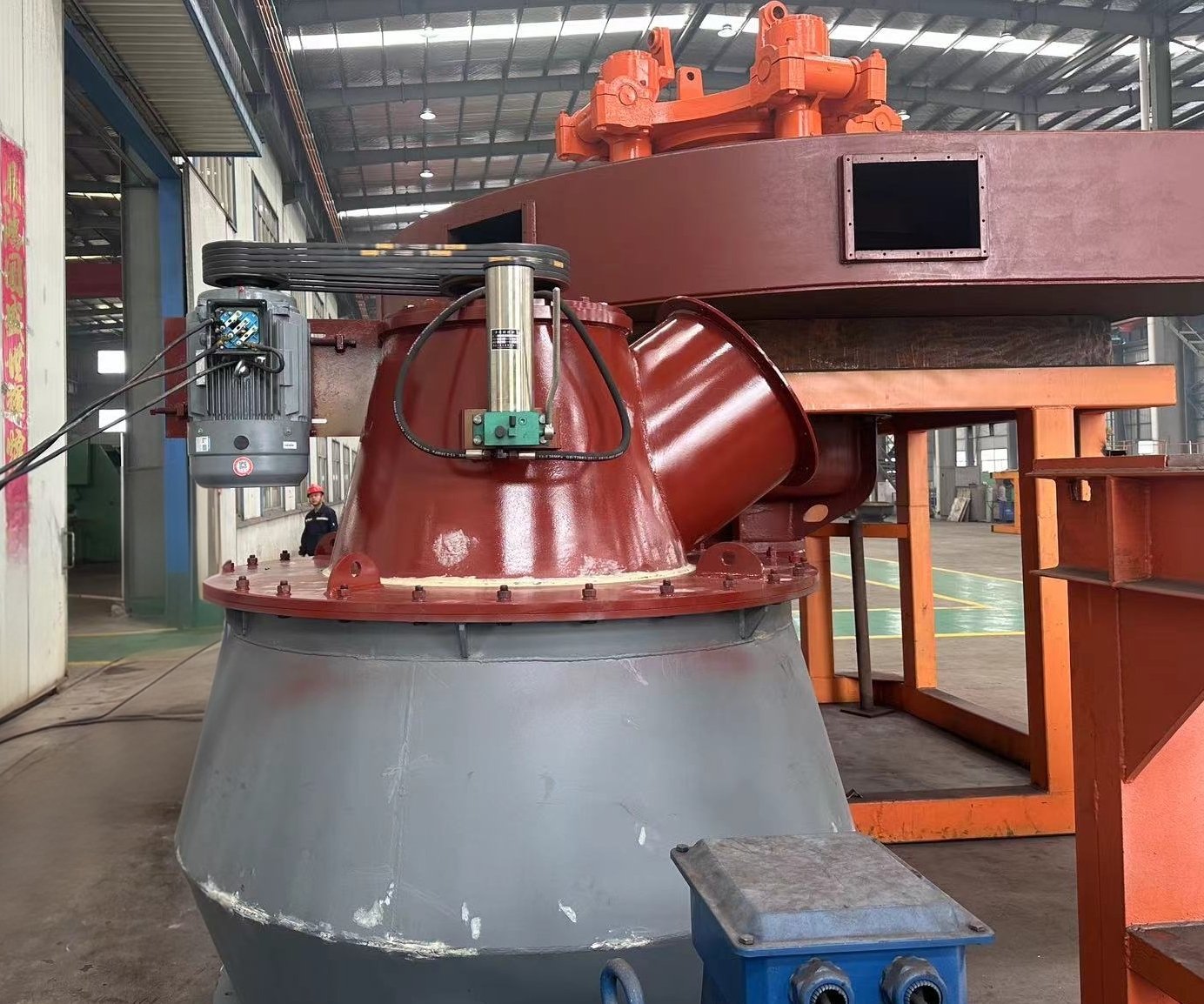
Micron mills are ultrafine grinding equipment, an improvement on Raymond mills. They incorporate high-pressure springs or motors, resulting in greater grinding force and rotational speed, and can grind talc powder down to 600 mesh or even 1250 mesh or higher. However, this comes with a significant increase in energy consumption and wear on parts.
Why is a Raymond Mill Better for Talc?
Due to its low hardness and viscosity, talc can be ground without the need for ultra-high-pressure milling. Raymond mills have low energy consumption, stable operation, and the good flowability of talc powder reduces the likelihood of clogging air ducts. In contrast, grinding common industrial talc with a micron mill would generate overcapacity, with electricity costs and roller wear actually increasing the cost per ton. A micron mill is only necessary when customers specifically require ultrafine powder (for example, for high-end cosmetics or paper coatings).
Talc Prices and Market
The global talc market has experienced steady growth, with the majority of consumption concentrated in Asia and Europe. However, Latin America has experienced a resurgence in recent years: increasingly, plastics, ceramics, and coatings plants in countries like Brazil, Argentina, and Mexico are reluctant to import talc powder from Asia, preferring to process it locally.
Regarding price, talc lumps vary significantly depending on their origin; lumps with high whiteness and few impurities can be considerably more expensive. If a suitable Raymond mill is used to build a self-contained processing line, electricity consumption and wear costs per ton of talc powder can be kept very low, making it much more cost-effective than buying finished powder directly. Electricity and labor costs are relatively controllable in Latin America; however, acquiring wear parts, such as grinding rolls and liners, from abroad would involve higher logistical costs. Therefore, choosing a Raymond mill with long-lasting wear parts is particularly important.
The Future Value of Talc
Market demand for talc is shifting from a “coarse filler powder” to “functional and refined applications.” For example, adding talc to agricultural films improves light transmission and thermal insulation, while adding it to cable materials optimizes their insulating performance. These applications require a stable fineness of 325 to 600 mesh, which falls precisely within the efficiency range of Raymond mills.
In Latin America, while local talc resources exist, the processing chain is weak. If regional talc processing centers using Raymond mills could be established, they could not only replace imports but also export to Central America and the Andean countries. It is expected that, within the next five years, the profit margin for locally processed talc in Latin America will be significantly higher than that of simply selling the raw material.
Our Solutions
For talc processing needs in Latin America, we offer two proven solutions:
Raymond Mill Series: We have optimized the alloy formula for the grinding rollers and rings, extending the lifespan of the wear-resistant parts by more than 30% compared to conventional models when grinding talc. The optional frequency converter classifier allows for precise particle size control from 200 to 600 mesh, with a first-pass rate exceeding 95%.
Micropulverization Mill Series: Designed specifically for customers requiring ultrafine powder (greater than 800 mesh) or high whiteness, such as producers of oral care products or high-end coatings. We also configure an impulse dust collector to address the dust problem associated with ultrafine powder.
Both systems are adapted to Latin America: voltage options include 220 V/60 Hz or 440 V/60 Hz, the control panel supports Spanish or Portuguese, and the key bearings feature a sealed structure resistant to hot and humid climates. We also offer pre-departure commissioning services to ensure a quick start to production once the equipment arrives in countries such as Mexico, Colombia, or Chile.