

PF Impact Crusher Explained: Structure, Materials, and Full Model Range
What You Will Learn from This Guide
The PF Impact Crusher is a mechanically adjusted horizontal shaft impact crusher built for medium-hard and soft rock. This guide covers how it actually breaks rock, why its wear parts use two different materials rather than one, and how to choose the right model across its full size range. It serves a buyer or engineer evaluating the PF specifically, and after reading, you will understand the reasoning behind its material choices and model lineup, not just the numbers on a spec sheet.
This guide focuses on the PF model itself. For a broader comparison against the hydraulically adjusted PFW and against primary and tertiary configurations, see this project’s impact crusher types guide instead.
Working Principle: How PF Breaks Rock
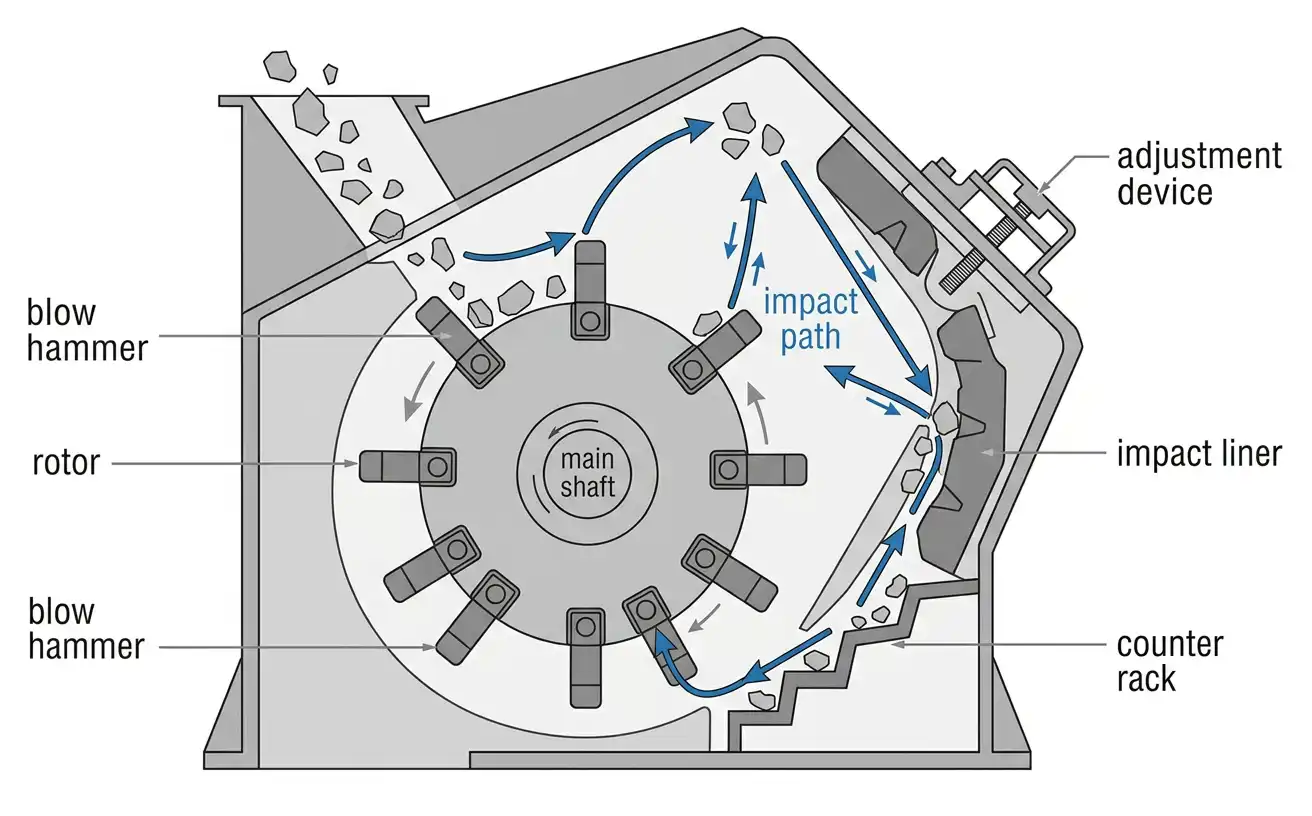
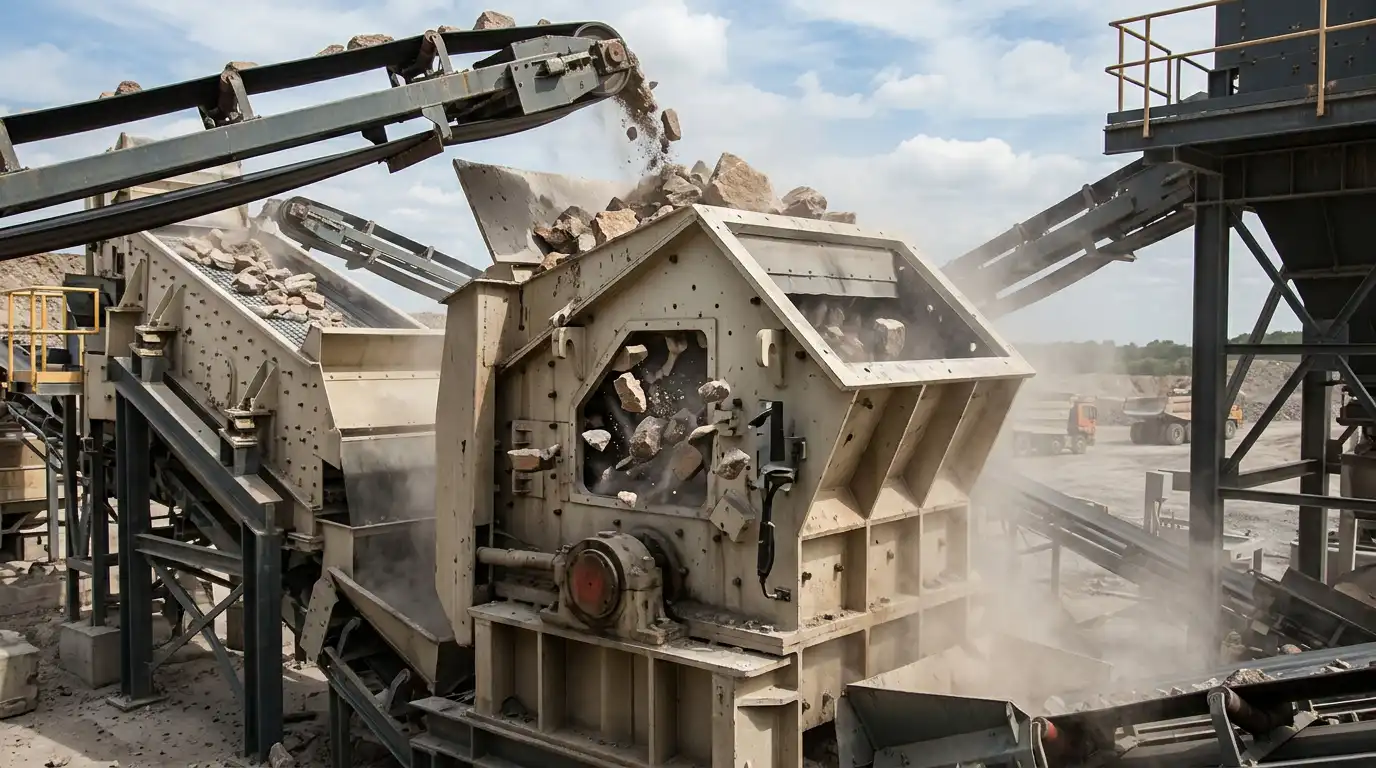
The PF’s rotor spins at high speed, driven by the main shaft. Blow hammers mounted on the rotor strike incoming material directly. That first impact does most of the initial size reduction.
The struck material flies outward and hits the impact liner, mounted on the counter rack. This second collision breaks it further and redirects it back into the rotor’s path. Material keeps cycling between the rotor and the counter rack until it is small enough to pass through the gap between them.
The adjustment device sets that gap. It is a mechanical, bolted system rather than a hydraulic one. That keeps the PF simpler and lower in cost than its hydraulically adjusted PFW counterpart. The trade-off is a slower manual process when the gap needs to change.
Wear Part Material Strategy: Two Materials, Two Jobs
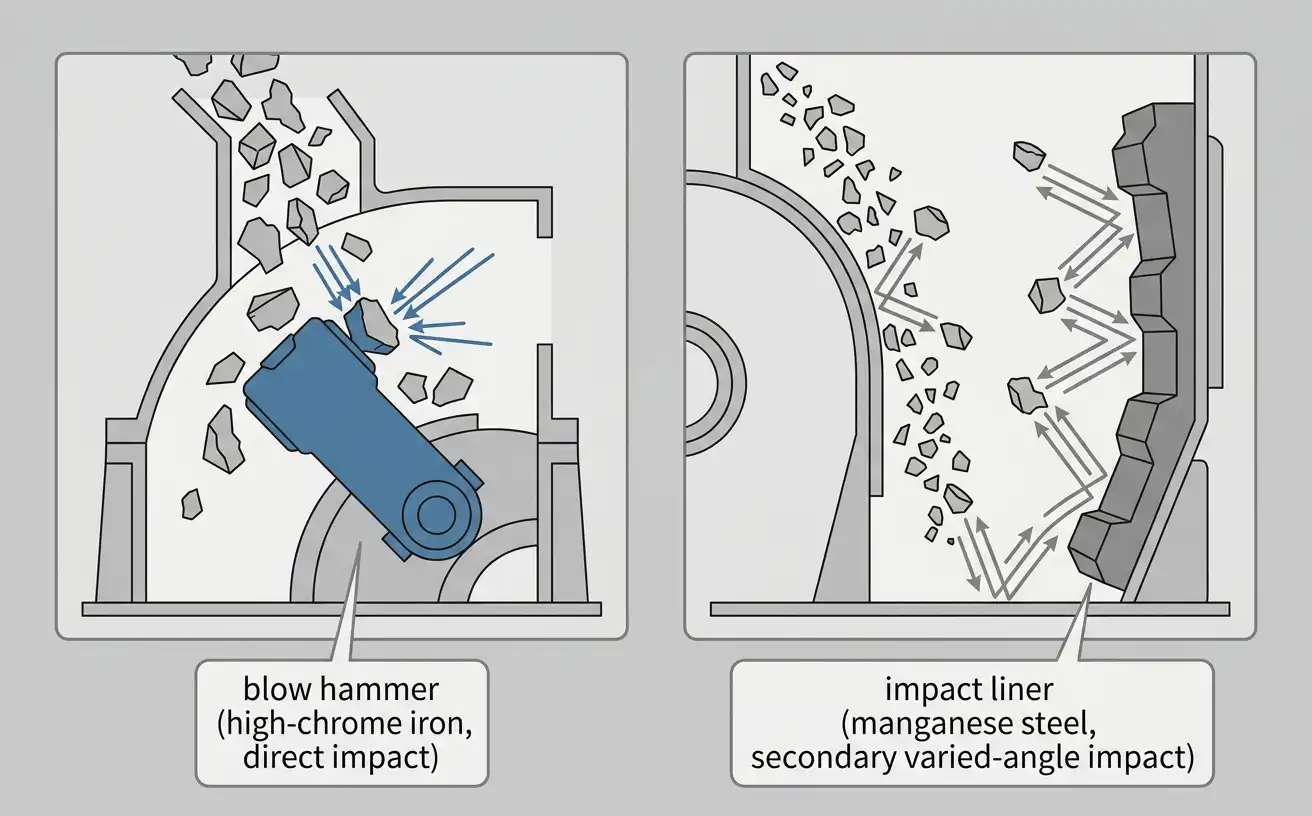
The PF pairs two different wear materials rather than using one throughout. The blow hammers are high-chromium cast iron. The impact liner is high-manganese steel. This is a deliberate match between material and role, not an inconsistency.
The blow hammers take the hardest hit in the system. They strike raw, unbroken feed material directly, at high tip speed, cycle after cycle. High-chrome iron resists that abrasive wear well. Its chromium carbide structure holds up under sustained sliding contact.
The impact liner faces a different kind of stress. It absorbs secondary collisions from material already broken by the hammers, arriving at varied angles rather than one direct strike. Manganese steel’s toughness suits that role better than a harder, more brittle material would. It resists cracking under that more irregular impact pattern.
This pairing also matters for tramp metal risk. A high-chrome hammer can crack outright if struck by a piece of rebar or a stray bolt. High-chrome iron trades toughness for wear resistance to get there. Keeping tramp metal out of the feed stream matters more with this material combination than it would with an all-manganese build.
Full PF Model Range: Specifications
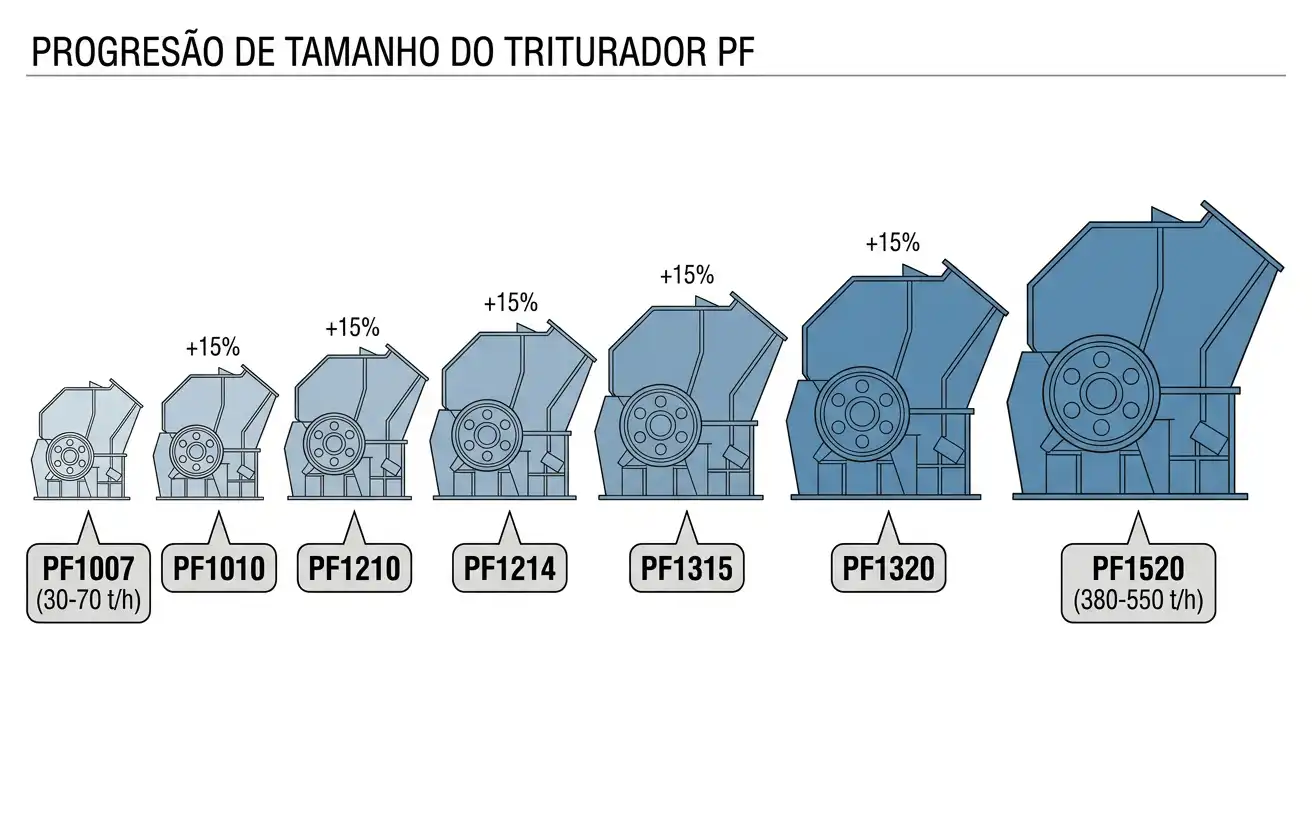
Table 1. PF Impact Crusher model specifications
| Model | Rotor (mm) | Feed Opening (mm) | Max Feed (mm) | Capacity (t/h) | Power (kW) |
|---|---|---|---|---|---|
| PF1007 | Φ1000×700 | 400×730 | 300 | 30–70 | 37–45 |
| PF1010 | Φ1000×1050 | 400×1080 | 350 | 50–80 | 55–75 |
| PF1210 | Φ1050×1250 | 400×1080 | 350 | 70–120 | 110–135 |
| PF1214 | Φ1400×1250 | 400×1430 | 350 | 80–160 | 132–160 |
| PF1315 | Φ1300×1500 | 860×1520 | 350 | 160–260 | 180–260 |
| PF1320 | Φ1300×2000 | 993×2000 | 500 | 280–380 | 250 |
| PF1520 | Φ1500×2000 | 830×2040 | 700 | 380–550 | 315–400 |
Source: mrcrushermill.com PF Impact Crusher product documentation.
Seven models span roughly a fifteen-fold range in rated capacity. The smallest, the PF1007, starts at 30 tonnes per hour. The largest, the PF1520, reaches 550 tonnes per hour.
Rotor diameter and length both grow across the range, not just one dimension. That is why feed opening and max feed size scale together with capacity, rather than moving independently of it.
Selecting the Right PF Model
Match target throughput to the capacity range first. That narrows the field to one or two candidate models quickly. Two adjacent models often have overlapping ranges. A target near the edge of one model’s range is worth checking against its neighbor too.
Feed size is the second check, and it depends on rotor diameter, not just the published max feed figure. A commonly used guideline keeps maximum feed size under roughly 60 to 70 percent of rotor diameter. Feeding material close to the rotor’s own size stresses the hammers more than the rated capacity alone would suggest.
Power availability at the installation site is worth confirming early, particularly for the larger models. The PF1520’s power range alone runs from 315 to 400 kW. That range is wider than most of the smaller models’ full rated range. It reflects how much power draw depends on the specific material and target output size.
Applications by Material and Industry
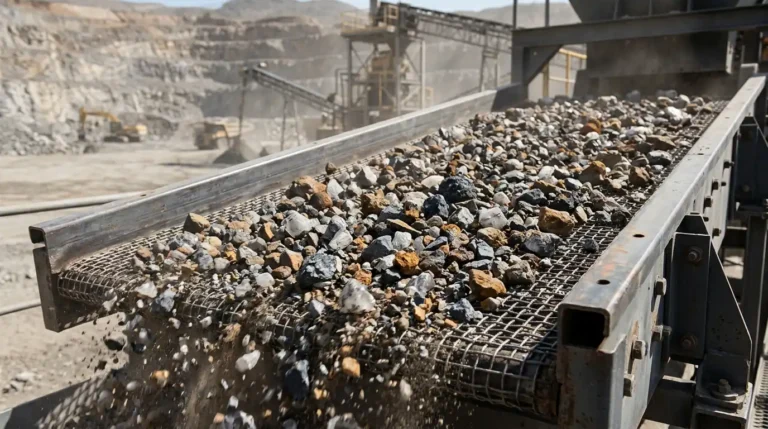
The PF suits medium-hard and soft materials specifically. River pebble, limestone, granite, and basalt are the materials most commonly processed on this line. Its impact-based crushing produces a more cubical product shape than a compression crusher working the same feed. That shape matters for aggregate specifications calling for reduced flat and elongated particles.
Softer, less abrasive materials like limestone let the manganese-and-high-chrome pairing run longer between wear part changes. Harder, more abrasive granite or basalt shortens that interval. This is a real factor in total cost of ownership, not just an initial purchase-price consideration.
Maintenance and Wear Management
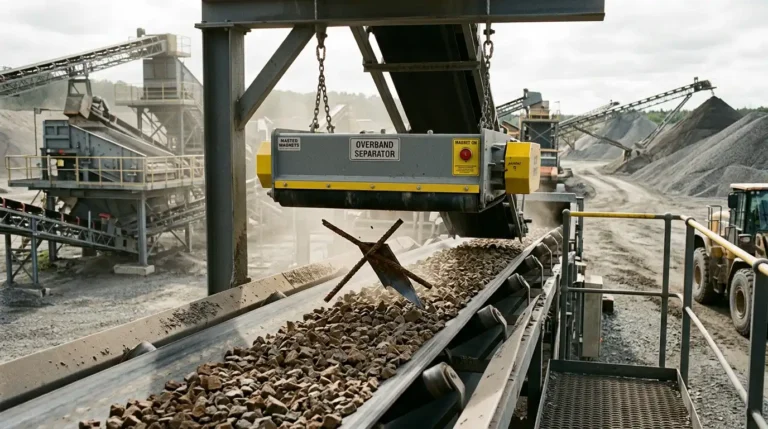
Blow hammer and impact liner wear is the main recurring cost on a PF crusher. Managing it starts upstream of the machine itself. Magnetic separation or manual picking before the feed reaches the rotor helps here. It keeps tramp metal away from wear parts not designed to absorb that kind of impact.
Both the blow hammers and the impact liner are wear items. They are expected to need periodic replacement, not to last the life of the machine. Tracking wear rate against tonnage processed gives a more accurate replacement trigger than working from a fixed calendar would.
Frequently Asked Questions
Why does the PF use different materials for the hammer and the impact liner?
The blow hammers take direct, repeated impact from raw feed material, which favors high-chrome iron’s wear resistance. The impact liner absorbs secondary, more varied-angle collisions from already-broken material, which favors manganese steel’s toughness. Matching material to the specific stress each part faces gets better wear life than using one material throughout.
How many PF models are available, and what capacity range do they cover?
The PF line spans seven models. The PF1007 starts at 30 to 70 tonnes per hour. The PF1520 reaches 380 to 550 tonnes per hour. Rotor size, feed opening, and power all scale together across the range, rather than any single dimension driving capacity alone.
What materials is the PF impact crusher best suited for?
The PF handles medium-hard and soft materials well. River pebble, limestone, granite, and basalt are its typical applications. Softer, less abrasive materials like limestone extend wear part life compared with harder, more abrasive rock processed on the same machine.
Why does tramp metal matter more on a PF crusher than some other crusher types?
The PF’s high-chrome hammers trade toughness for wear resistance. A piece of rebar or a stray bolt can crack a hammer outright, rather than the machine absorbing the impact safely. Keeping tramp metal out of the feed stream protects wear parts that are not designed to handle that kind of impact. Magnetic separation or manual picking is how that gets done.
References and Sources
- National Institute of Technology Rourkela — Design and Analysis of a Horizontal Shaft Impact Crusher
- Pit & Quarry — P&Q University Lesson 7: Crushing & Secondary Breaking
- U.S. Patent 11,052,400 — Locking Device for Locking a Hammer to a Rotor in a Horizontal Shaft Impact Crusher
- U.S. Patent 11,000,854 — Rotor Positioning Device