

Petroleum Coke
1. What is petroleum coke?
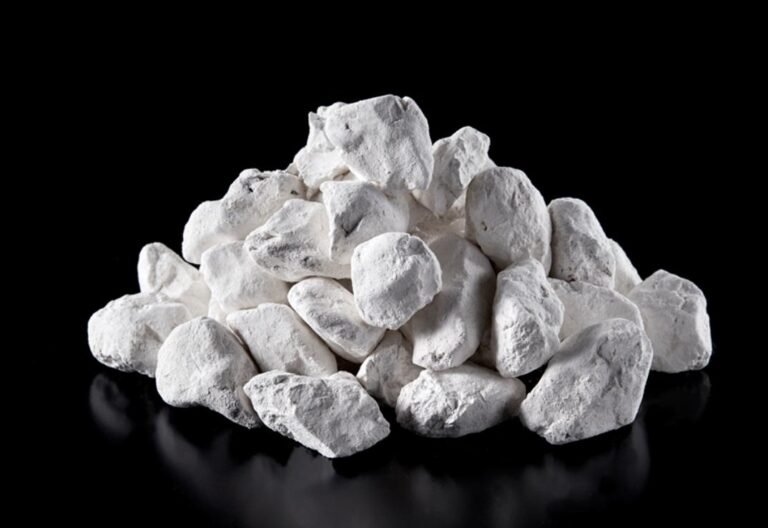
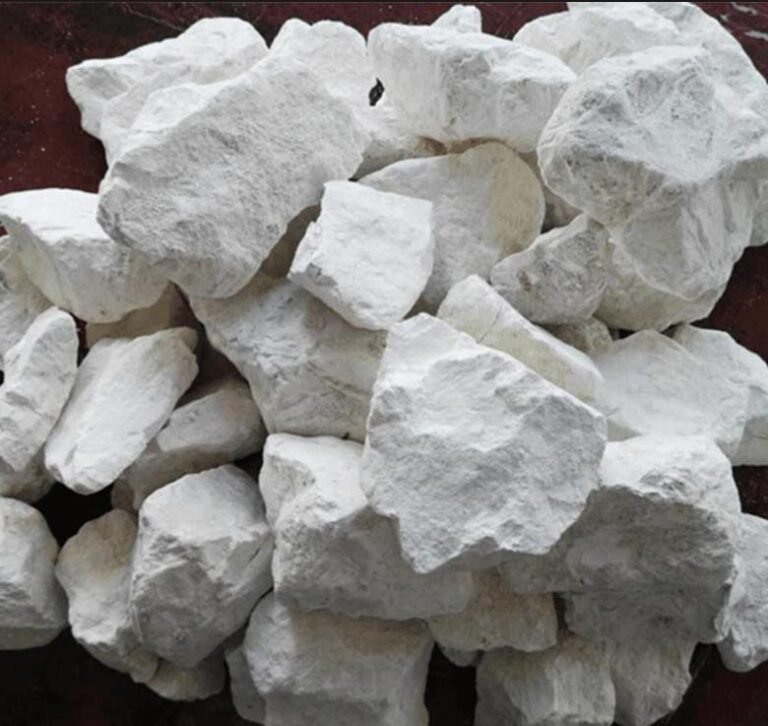
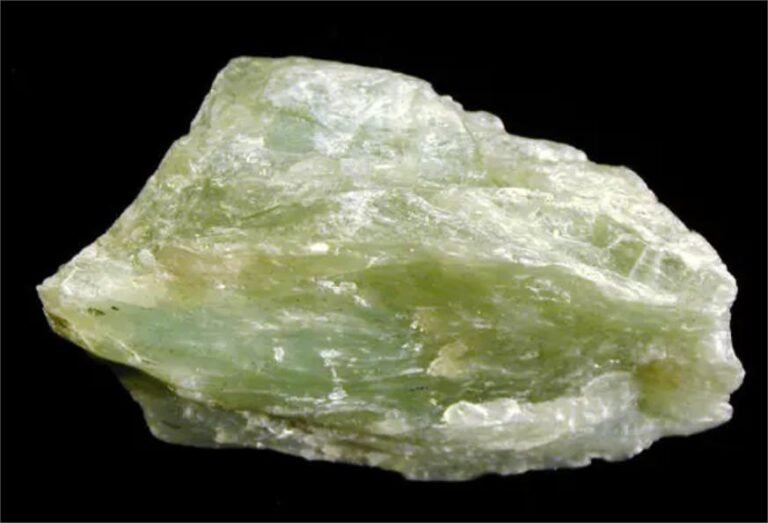
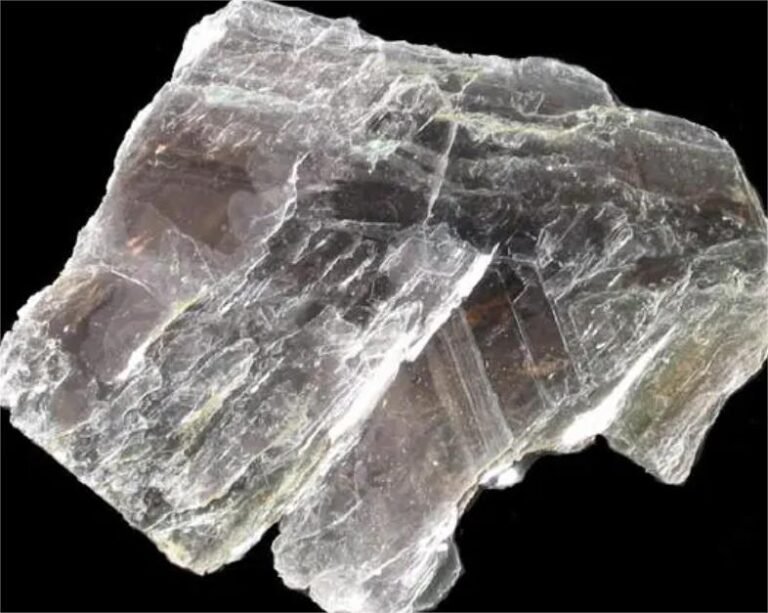
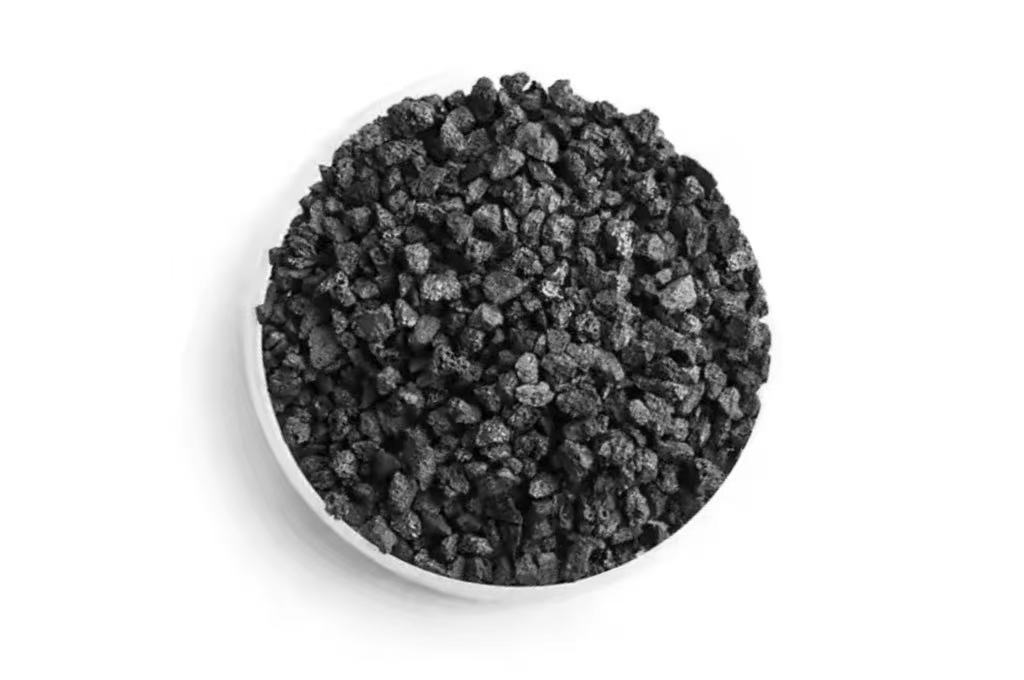
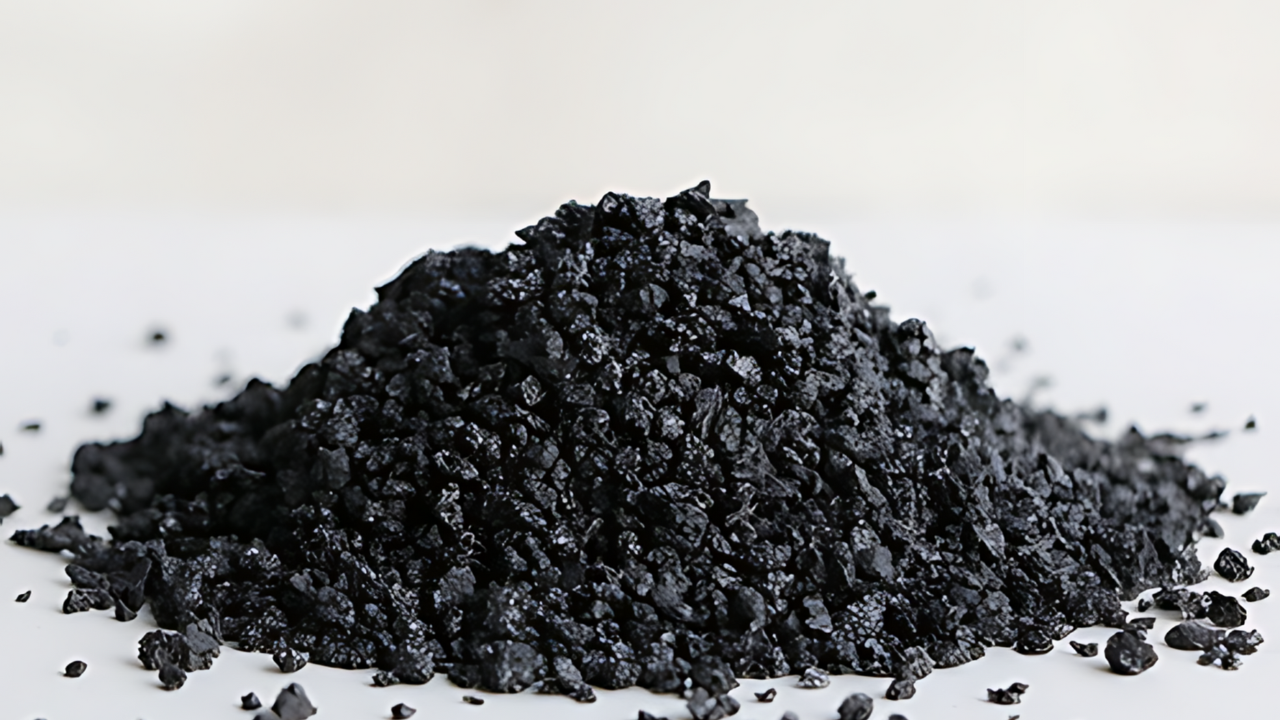
Petroleum coke is a solid carbonaceous byproduct generated during the delayed coking process. Its chemical composition is dominated by fixed carbon, with a carbon content generally exceeding 90%, along with small amounts of impurities such as sulfur, vanadium, and nickel. As an important byproduct of deep processing of refinery vacuum residue, the yield of petroleum coke is approximately 20-30% of the feedstock. In terms of physical characteristics, its true density is about 2.0 g/cm³, it has a porous honeycomb structure, and exhibits good electrical conductivity and thermal shock resistance. It is insoluble in water and chemically very stable. After high-temperature calcination, its electrical resistivity and mechanical strength are significantly improved. Therefore, petroleum coke is not only a basic raw material for the production of prebaked anodes for aluminum and graphite electrodes but also plays an irreplaceable key role in various industries, including cement manufacturing, metallurgical fuels, titanium dioxide production, and lithium battery anode materials.
2. Uses of petroleum coke
In Latin America, petroleum coke is a key strategic industrial raw material. Its importance is evident both in traditional basic industries and in emerging high-tech manufacturing sectors. Consumer and producer countries like Brazil and Mexico rely on petroleum coke as a base material for prebaked anodes and graphite electrodes, supporting the operation of the aluminum smelting and steel industries. Driven by large-scale infrastructure construction, about 15% of petroleum coke is also used as a high-calorific-value alternative fuel in cement kilns. At the same time, countries such as Argentina are using petroleum coke as a precursor to actively develop the market for lithium-ion battery anode materials, thereby integrating into the new energy industrial chain. With companies like Petrobras continuously strengthening supply security, different grades of petroleum coke are deeply integrating into the region’s industrial upgrade process, playing an irreplaceable strategic role.
3. How is petroleum coke processed?
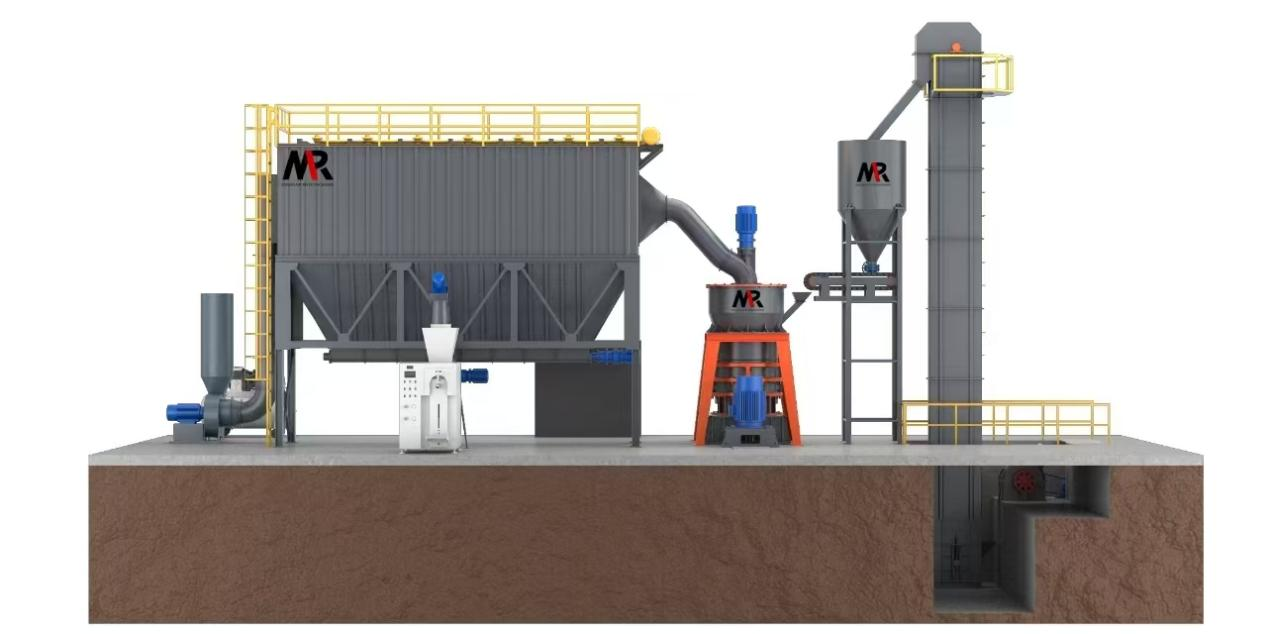
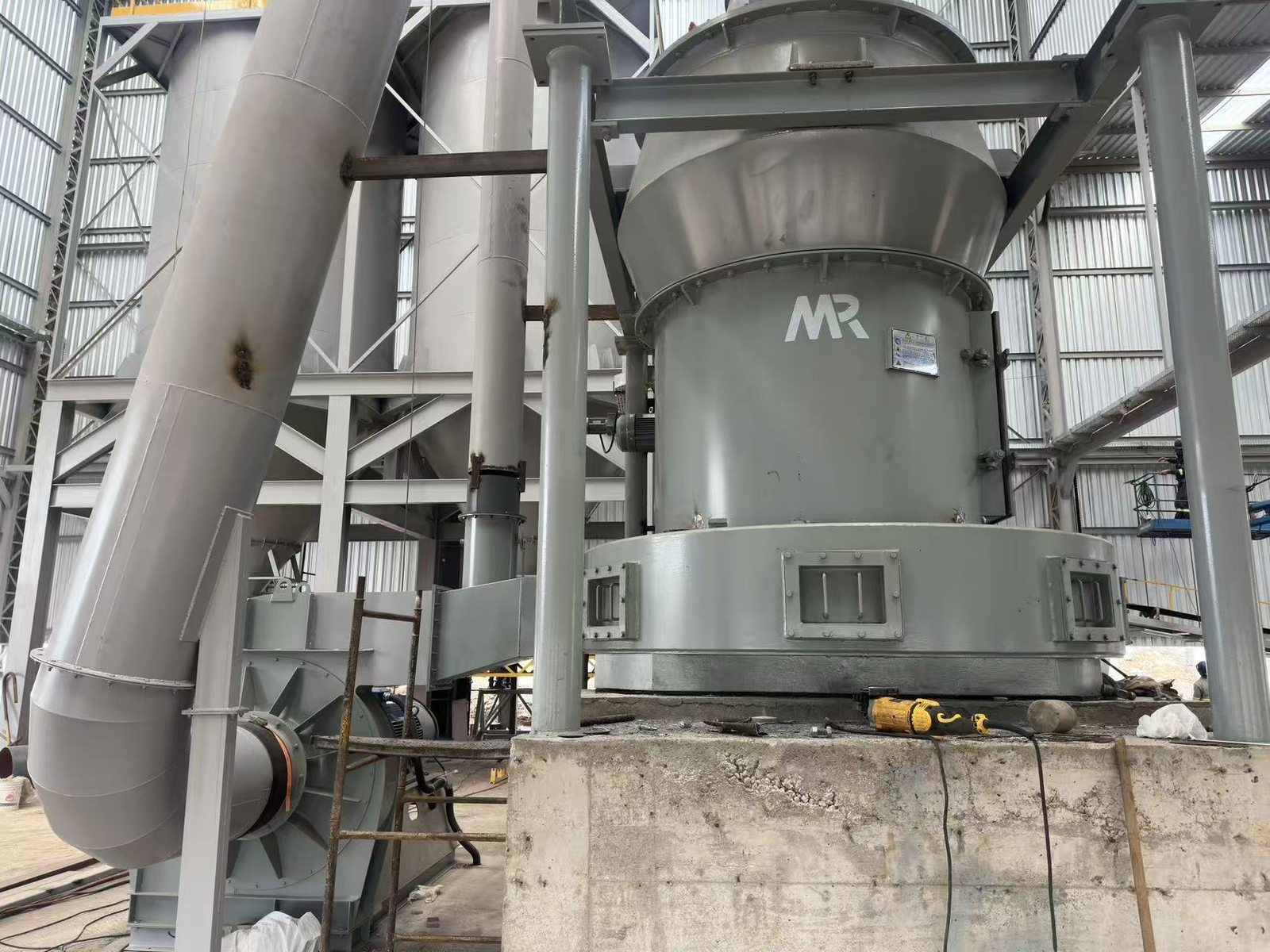
To transform petroleum coke into a high-value-added industrial material, the key processes are calcination and grinding. Currently, the mainstream equipment used for grinding petroleum coke in the Latin American market can be divided into two categories: the Raymond mill and the ultrafine mill.
The Raymond mill is suitable for medium-to-fine grinding of calcined petroleum coke, typically achieving a product fineness between 60 and 325 mesh. This equipment offers low initial investment and stable operation, making it suitable for medium-scale prebaked anode or recarburizer production lines with annual capacities ranging from tens of thousands to over a hundred thousand tons. In the Latin American market, petroleum coke powder in this fineness range is widely used in major sectors such as prebaked anode配料 (formulation) for aluminum electrolysis, graphitized recarburizers for steelmaking, and raw materials for silicon carbide production.
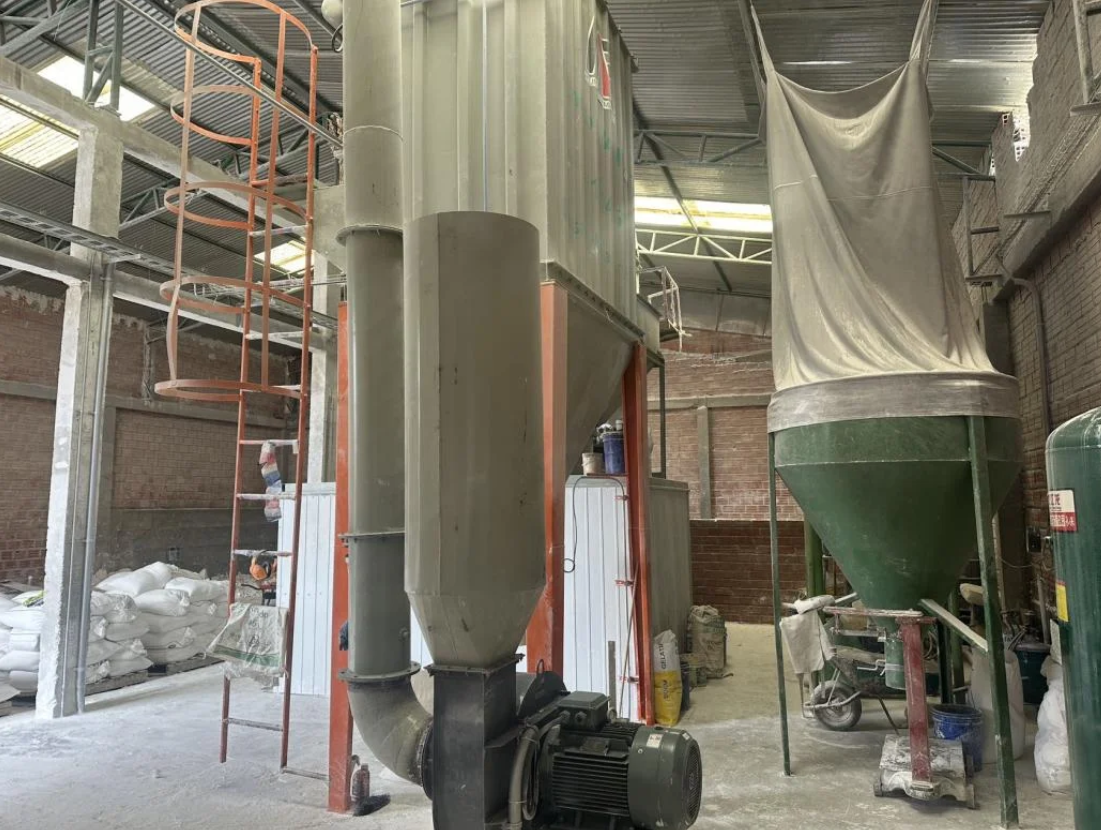
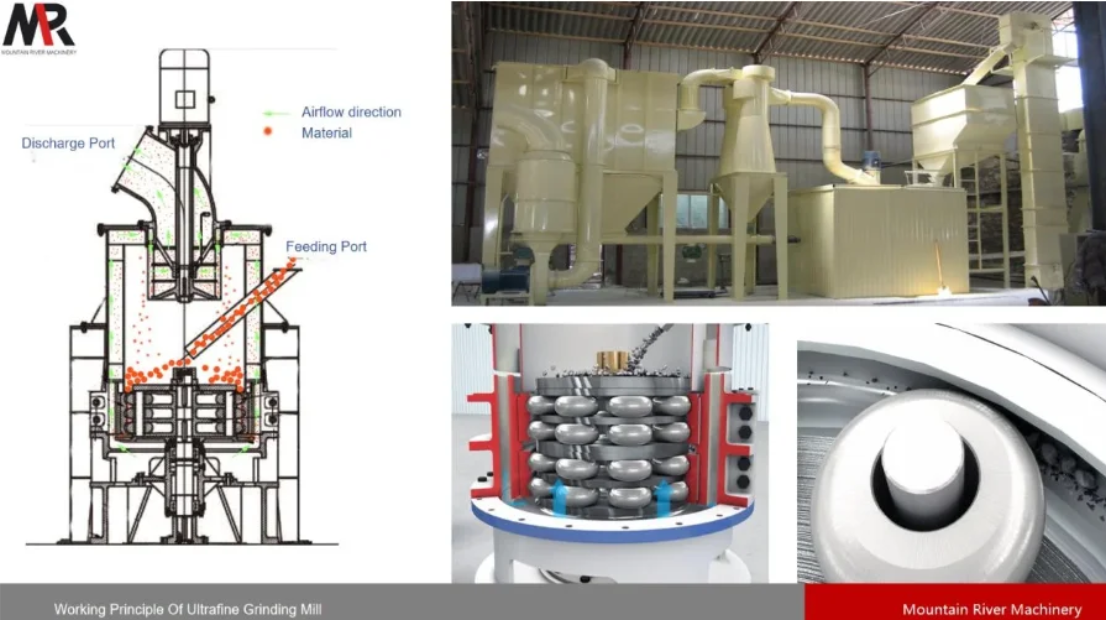
The ultrafine mill specializes in the preparation of superfine petroleum coke powder, capable of processing calcined coke to a fineness range of 325 to 1250 mesh. It is especially suitable for small-to-medium scale fine chemical or new material production lines seeking high added value, helping to preserve the material’s high carbon purity and graphitization characteristics. In the international market, this type of superfine petroleum coke powder is mainly targeted at applications with strict requirements for powder purity and particle size distribution, including specialty graphite shaped parts, high-end paint and ink fillers, lithium battery anode materials, and carbon-based refractory materials.
4. Our grinding machines
Raymond mill:
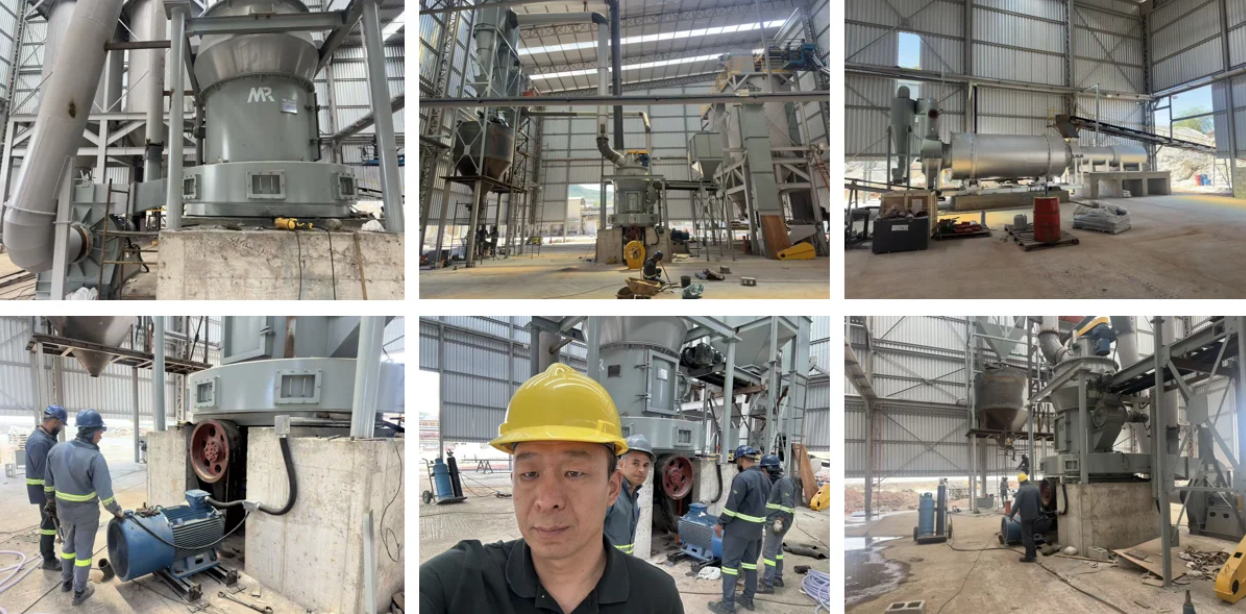
In the Latin American market, the Raymond mill is the model we specifically recommend for customers requiring medium-to-fine powder of calcined petroleum coke. This equipment allows stable control of product fineness between 60 and 325 mesh. It combines advantages such as low initial investment and reliable operation, being particularly suitable for medium-scale prebaked anode or recarburizer production lines with annual capacities from tens of thousands to over a hundred thousand tons. Our systems have been successfully installed and are operating in Mexico and other parts of Latin America. Customer feedback indicates excellent control of carbon loss, high wear resistance and long service life of the grinding rollers and rings, and stable production of qualified fine powder even when facing variations in grindability and sulfur content between sponge coke and needle coke from different origins. Daily maintenance is also very straightforward. For medium-scale Mexican companies in the anode and carbon raw material sectors seeking high cost-effectiveness, this is a proven, reliable, and pragmatic choice.
Ultrafine mill:
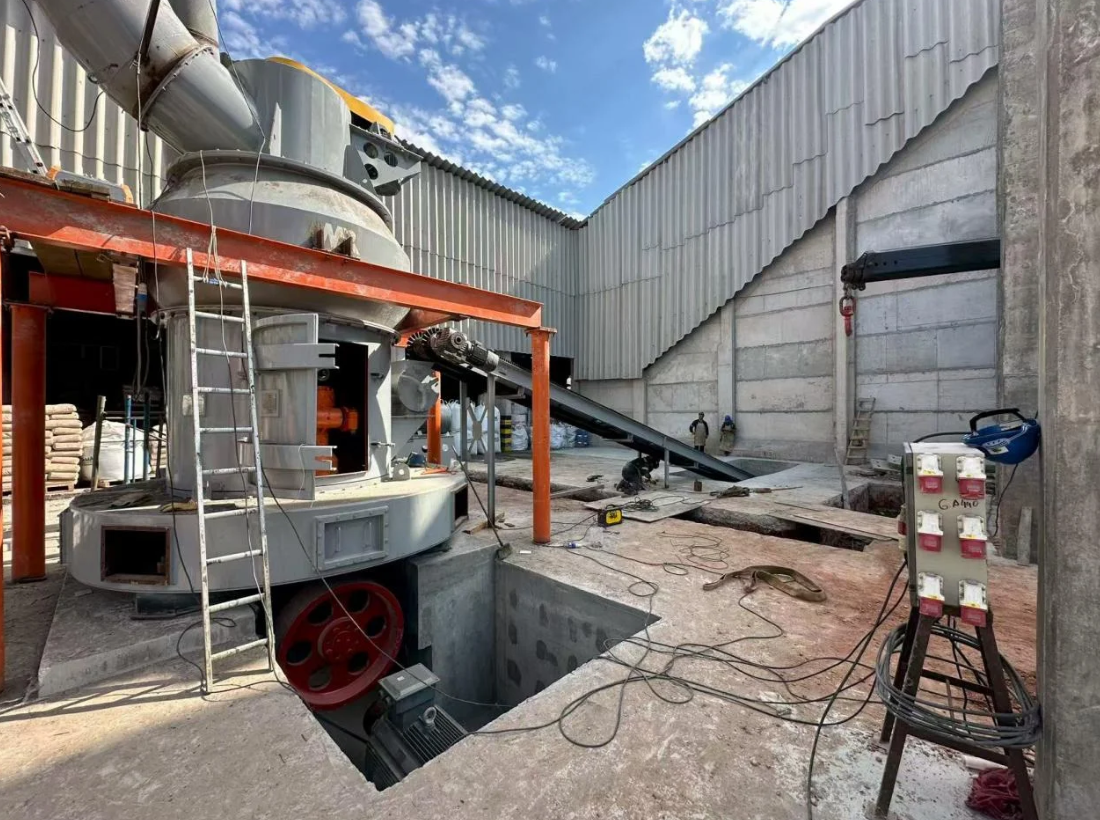
In the Latin American market, the ultrafine mill is our primary model for customers requiring fine and superfine petroleum coke powder. Currently, multiple ultrafine mill systems have been successfully installed and are operating in Mexico and other regions of Latin America, serving industries such as lithium battery anode materials, specialty graphite products, and high-end carbon coatings. Customer feedback focuses on the following aspects: during the ultrafine grinding process, the high-temperature graphitization properties of the petroleum coke are well preserved, maintaining the advantages in carbon content and true density; the wear parts have a long service life, the machine operates with high stability, and dust leakage points are strictly controlled. It is worth noting that even when facing fluctuations in volatile matter and differences in feed size between different batches of needle coke, the ultrafine mill can stably produce superfine powder in the 325–1250 mesh range, with low maintenance costs. For small-to-medium scale production lines of high-value-added anode material precursors and specialty carbon products, this is a reliable choice.
5. Summary of the value of petroleum coke
Raymond mill:
In Latin America, the processing of petroleum coke is accelerating its transition from simple fuel export towards local, deep processing into high-value-added carbon raw materials. Sectors such as prebaked anodes, steelmaking recarburizers, and silicon carbide production in the region maintain strong and stable demand for medium-to-fine (60–325 mesh) calcined coke powder. Given the widespread use of petroleum coke in the local aluminum and steel industries, its abundant supply, and the relatively moderate entry barrier for grinding operations, there is a clear opportunity for investors looking to enter this field. Among the available options, the Raymond mill stands out for its reliable operation, strong adaptability to various types of sponge coke and needle coke, and easy maintenance, making it a highly recommended grinding equipment to prioritize in the Latin American market.
Ultrafine mill:
In Latin America, the quality requirements for petroleum coke powder in the new energy and specialty materials sectors are rapidly increasing, a trend particularly evident in the context of the explosive growth of the global power battery and energy storage industries. Sectors such as lithium battery anode materials, specialty graphite shaped parts, and high-end conductive coatings show a significant increase in demand for superfine (325–1250 mesh) needle coke and high-quality calcined coke powder. Faced with this opportunity, for investors, choosing an ultrafine mill capable of properly preserving the material’s carbon purity and particle size distribution during grinding, producing superfine powder stably, and having low maintenance costs will be a key step to seize opportunities in high-end petroleum coke applications in Latin America and globally.