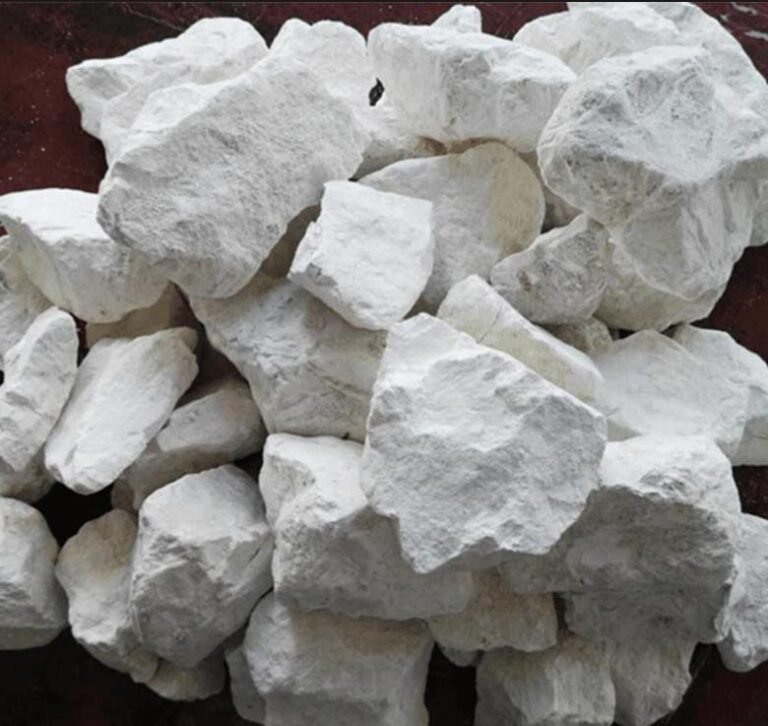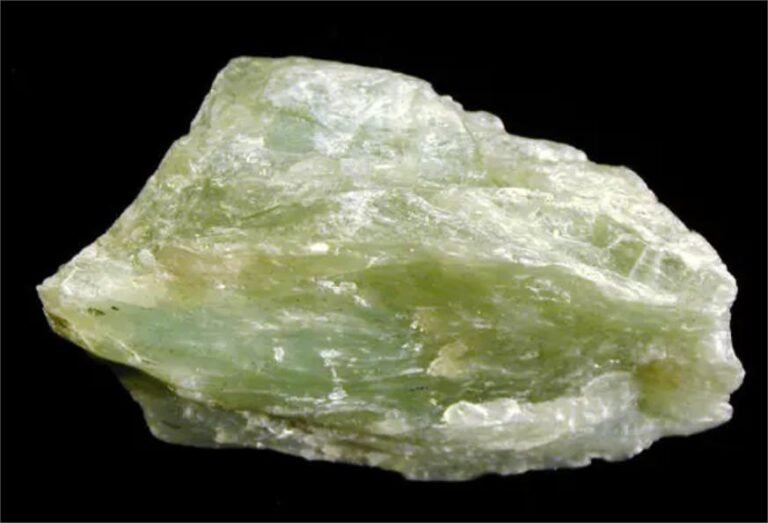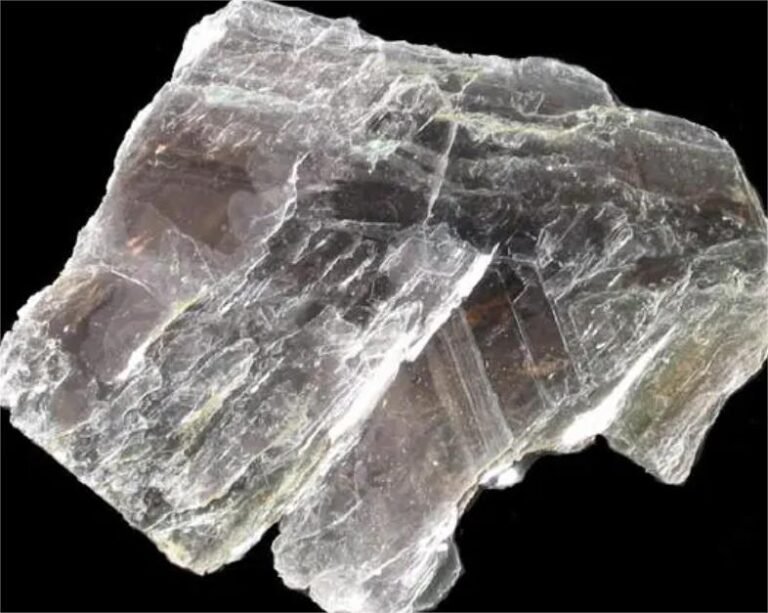


Calcite
What is Calcite?
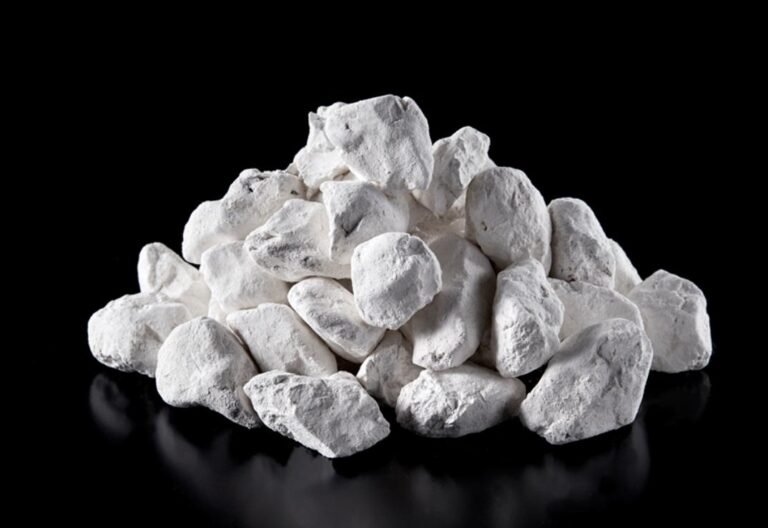
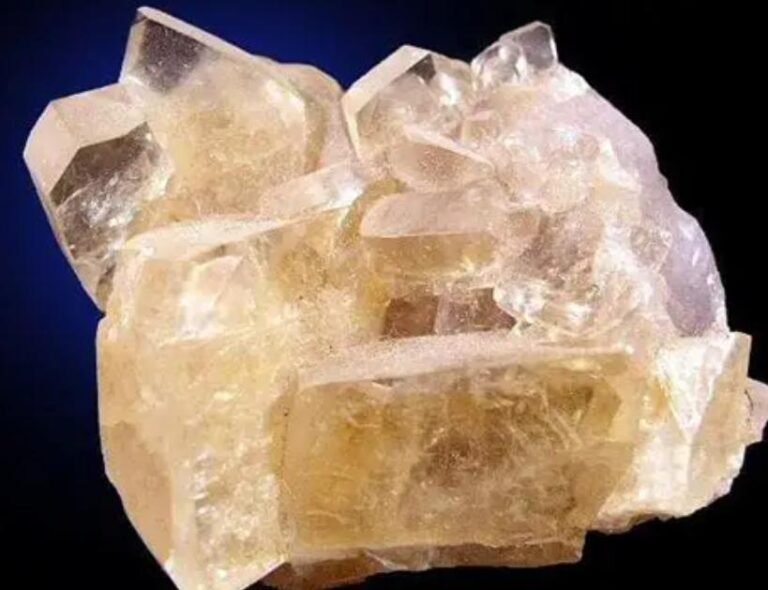
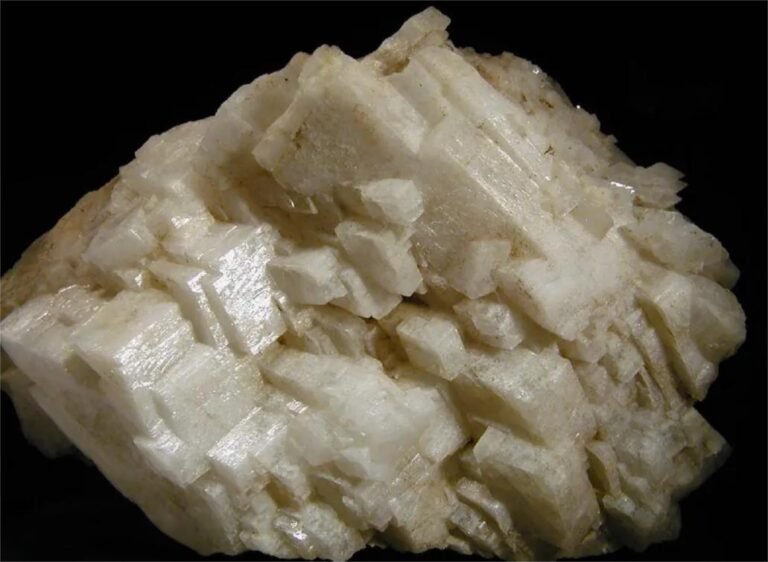
Calcite is a natural calcium carbonate mineral with the chemical composition CaCO₃. It is the primary constituent of limestone and marble. With a Mohs hardness of 3, calcite is relatively brittle and easy to pulverize. It features high whiteness and good hiding power, and it dissolves in weak acids with the release of bubbles. Calcite is not only one of the most common industrial minerals, but also serves as a premium filler material, playing an irreplaceable role in industries such as plastics, coatings, papermaking, rubber, building materials, animal feed, and even food and pharmaceuticals.
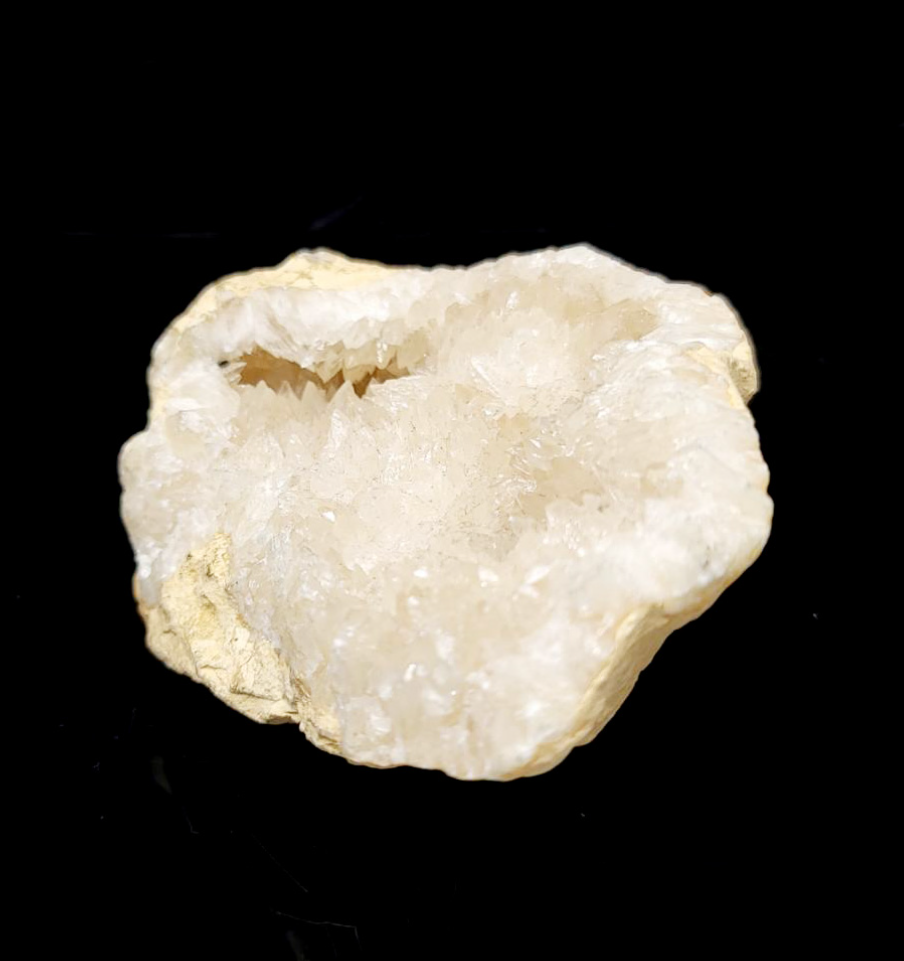
Applications of Calcite
In Latin America, calcite is widely recognized within the industry as the “cornerstone of white industry.” Mexico and Brazil consume millions of tons of calcite powder annually, primarily for the production of PVC pipes, coatings, and sealants. In Colombia and Peru, calcite is extensively used as a papermaking filler and in the production of feed-grade calcium carbonate powder. Across the broader Latin American and Spanish markets, calcite plays an indispensable and critical role—whether in the whitening and reinforcement of high-end plastic products, the enhancement of hiding power in eco-friendly water-based paints, or the strengthening and filling of rubber products.
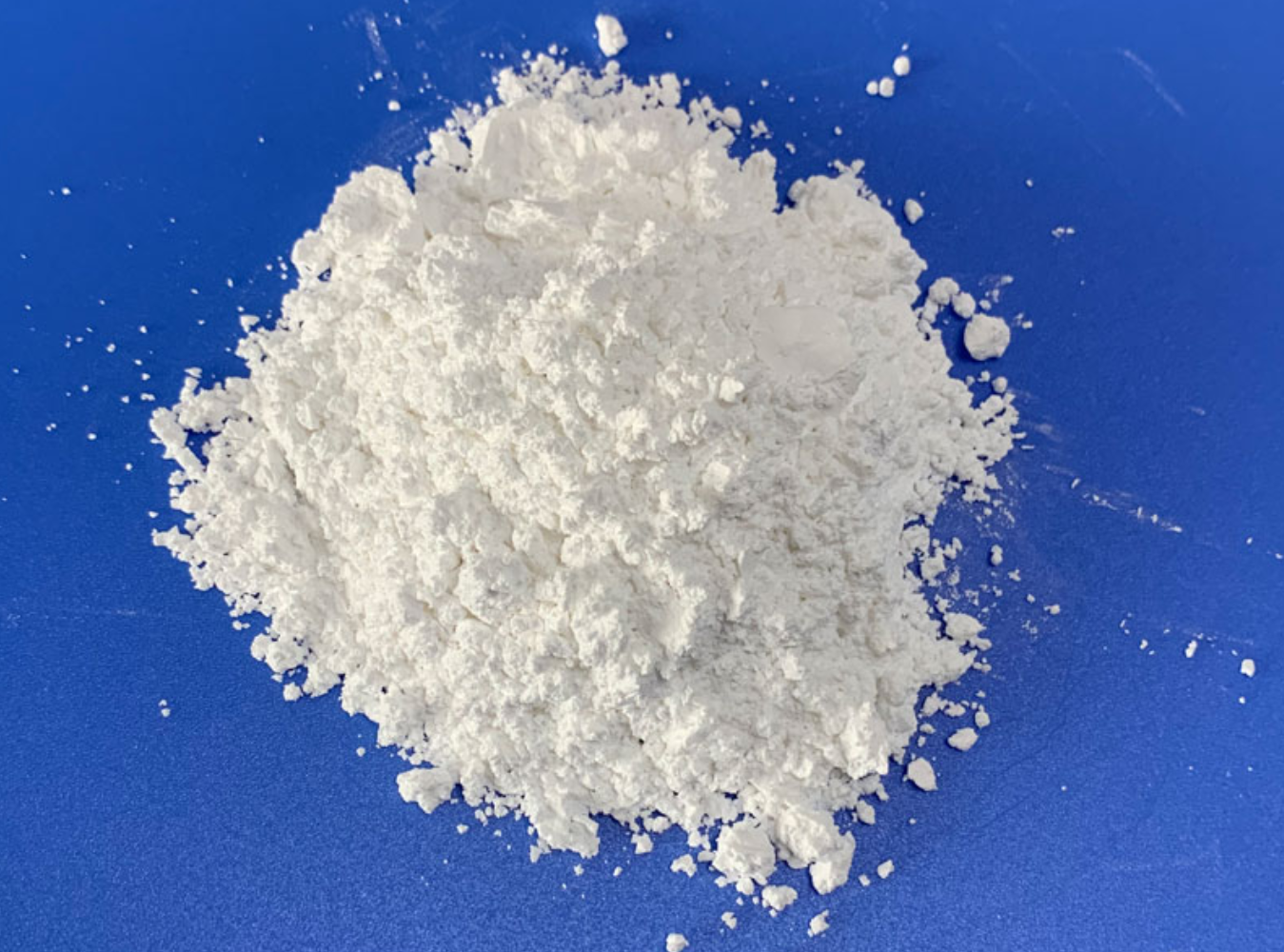
How to Grind Calcite
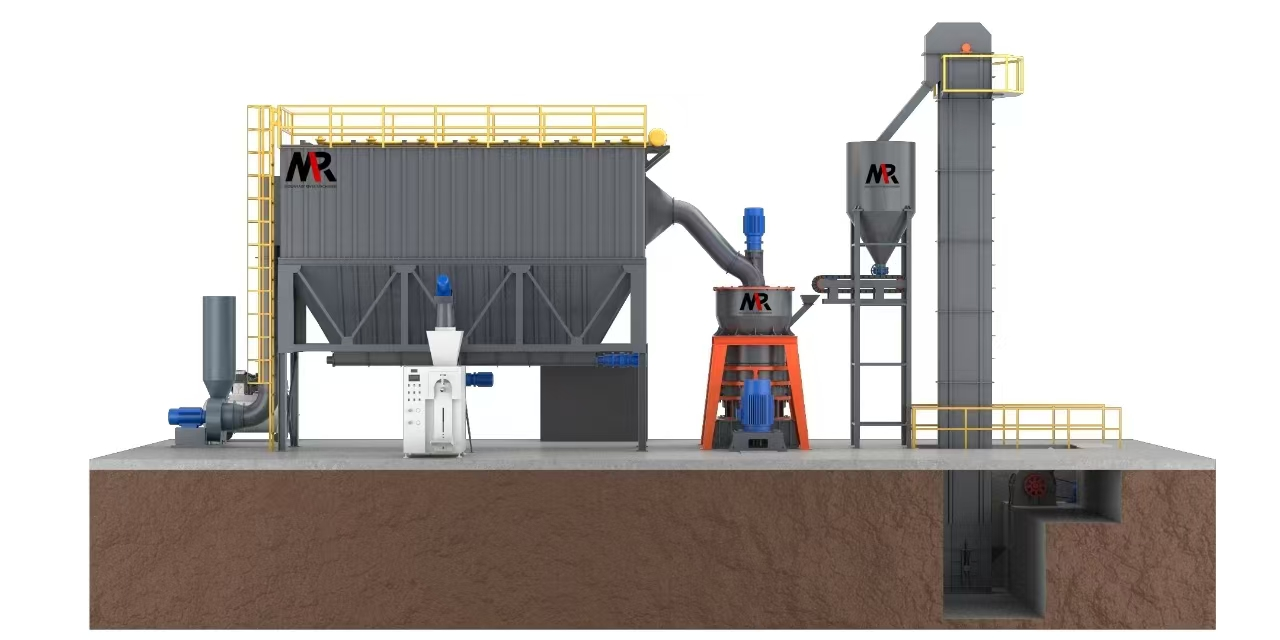
Grinding is the essential step in transforming calcite into high-value industrial powder. Two primary types of mills dominate the market: Raymond mills and ultrafine powder mills.
Raymond mills handle medium to fine grinding, delivering particle sizes between 80 and 325 mesh. They offer low investment costs and stable operation, making them ideal for small to medium-sized production lines. In Latin America, calcite powder within this range is widely applied in general coatings, construction gypsum, asphalt fillers, and animal feed.
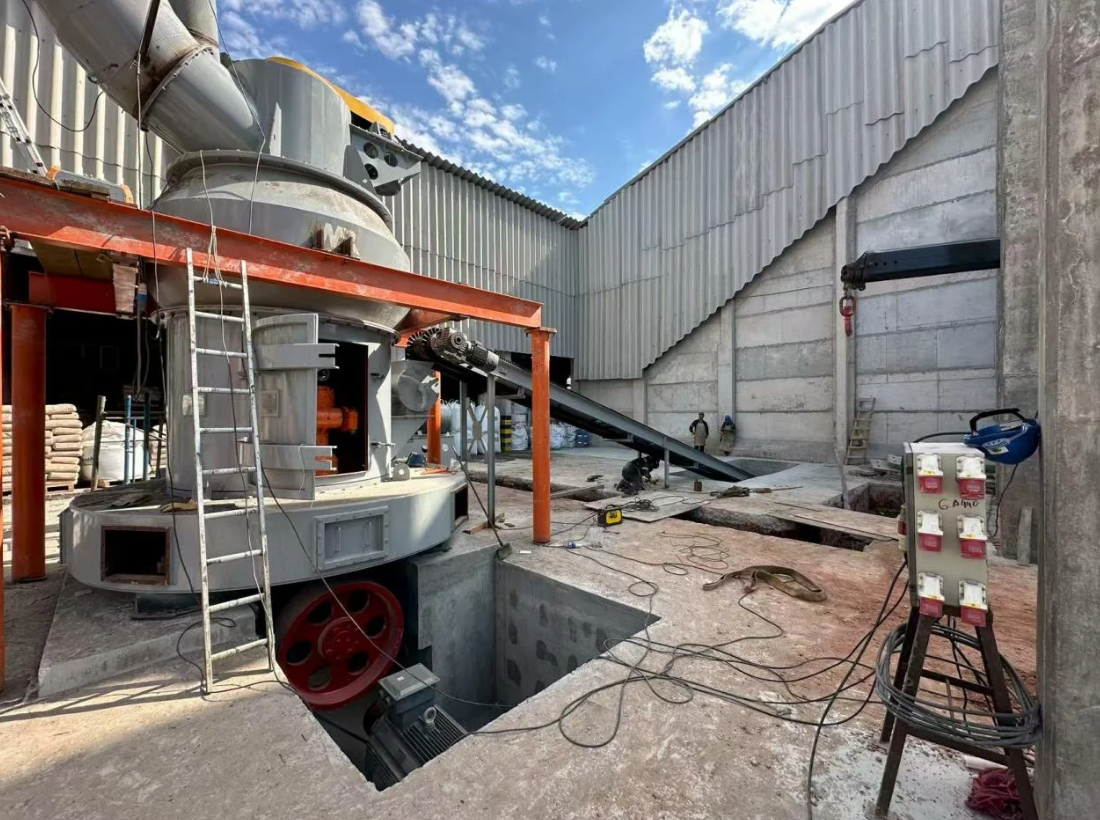
Ultrafine powder mills grind calcite to 325–2,500 mesh, targeting high-value applications. This equipment better preserves whiteness and purity, suiting small to medium-scale producers. In Latin America, such superfine powder meets the strict demands of high-end plastic masterbatch, sealants, premium water-based coatings, and paper coating.
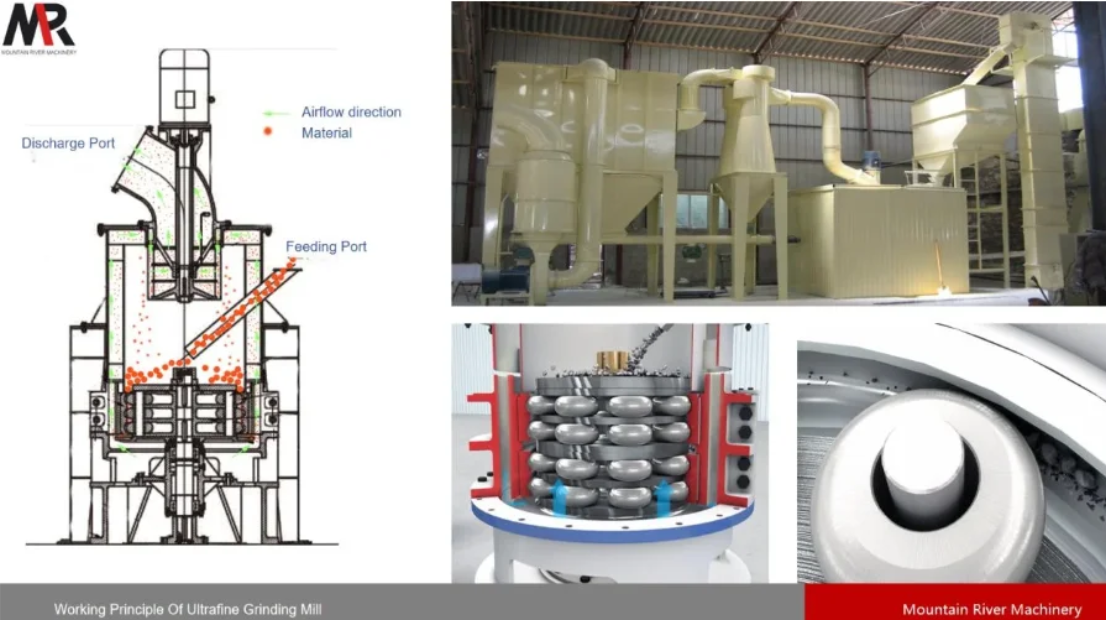
MR Equipment
Two main models for the Latin American market:
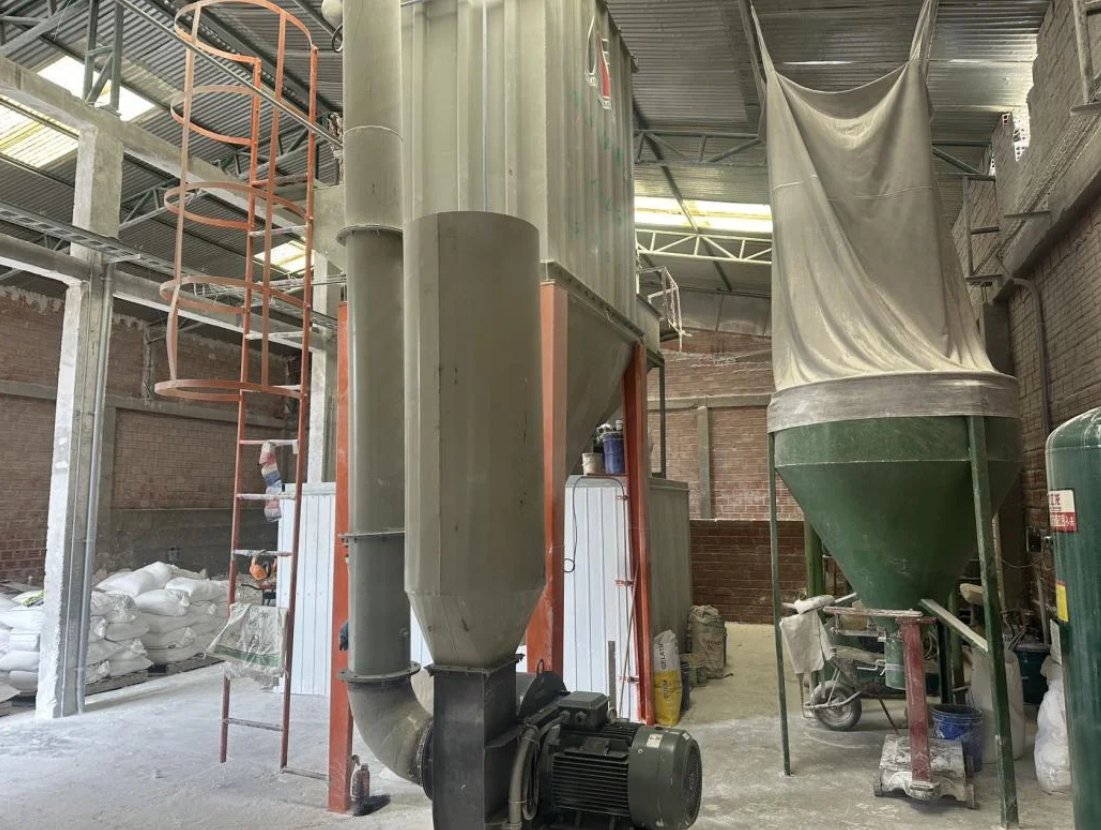
Raymond Mill – For 80–325 mesh powder. Ideal for paint fillers, gypsum, asphalt, and animal feed. Advantages: low cost, stable operation, good whiteness, low wear, easy maintenance. Tolerates variations in moisture and hardness. Reliable for small to medium-sized production lines.
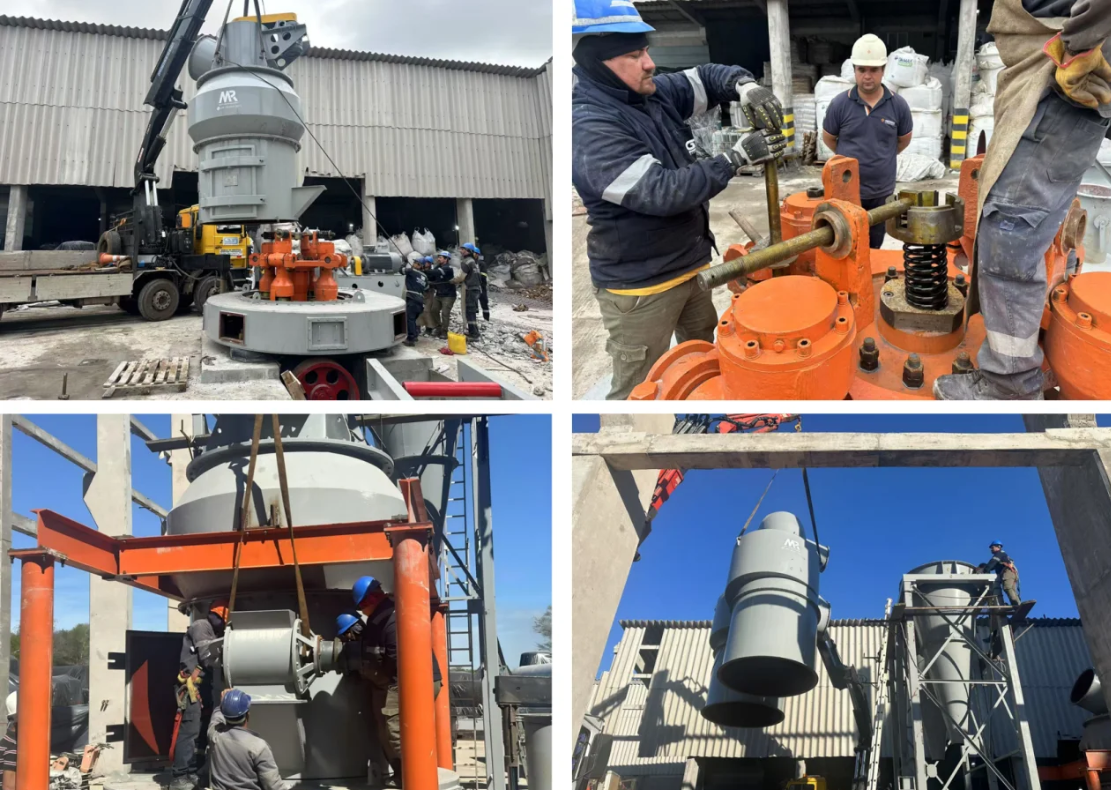
Ultrafine Mill – For 325–2,500 mesh powder. Ideal for masterbatches, sealants, high-quality paints, and paper coatings. Advantages: maintains whiteness and purity, durable components, stable operation, low maintenance cost. Tolerates variations in whiteness and moisture. Reliable for production lines seeking high added value.
The Value of Calcite
In Latin America, calcite processing is advancing from raw mineral exports to local transformation. Traditional sectors (paints, gypsum, asphalt, animal feed) demand 80–325 mesh powder. Calcite has a low entry barrier. For these investors, the Raymond mill is reliable, adaptable, and easy to maintain.
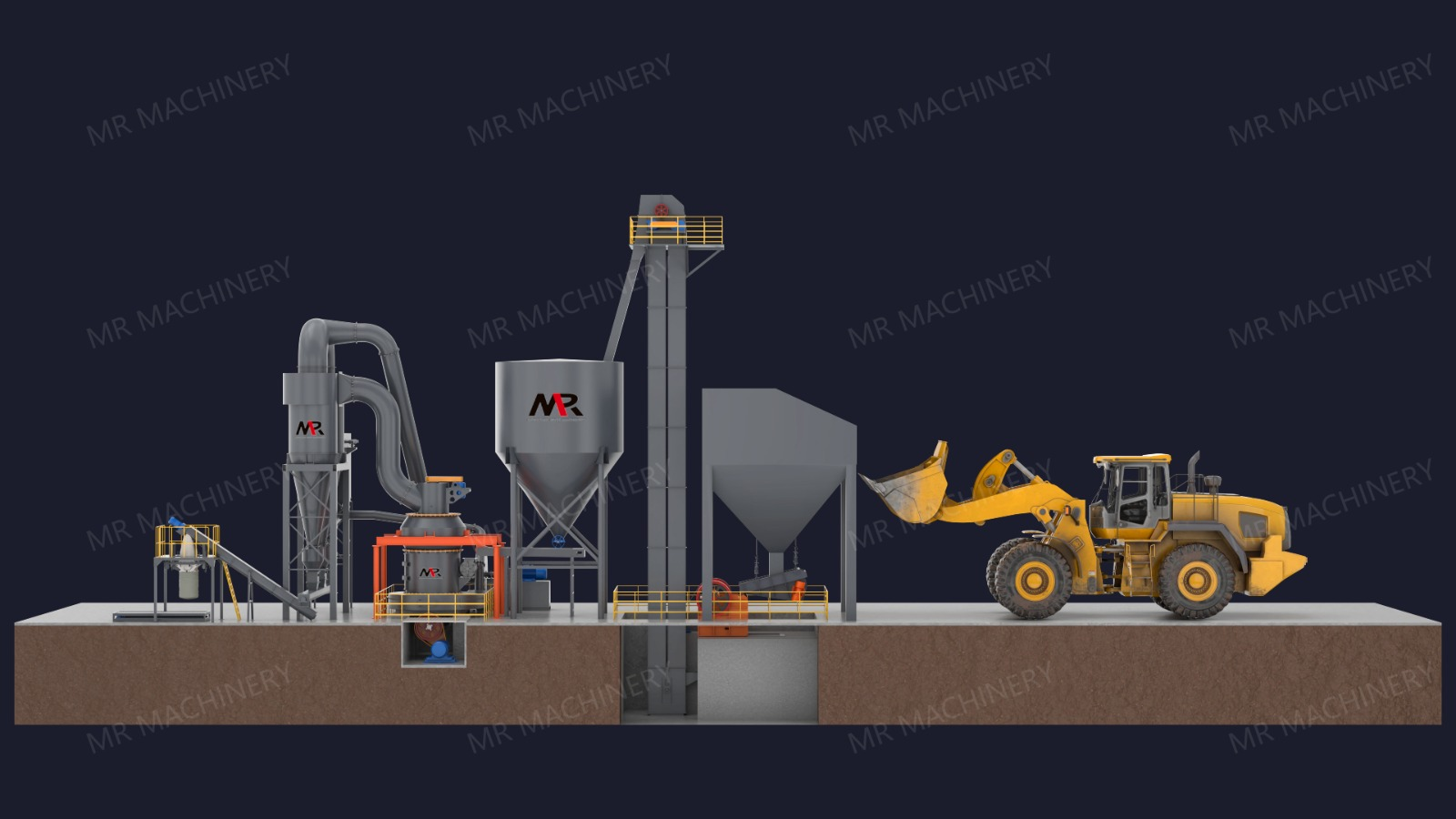
At the same time, demand for 325–2,500 mesh ultrafine powder is growing in high-end plastics, sealants, quality paints, and paper coatings. To capitalize on this high-value market, the ultrafine mill maintains whiteness and purity, delivers stable production, and features low maintenance costs.