

Cone Crusher Types Overview: Spring, Single-Cylinder Hydraulic, Multi-Cylinder Hydraulic, and Compound
What You Will Learn from This Guide
Cone crushers fall into four categories: spring, single-cylinder hydraulic, multi-cylinder hydraulic, and compound. Each uses the same mantle-and-concave crushing action, but a different mechanism for overload protection and discharge adjustment. This guide explains what separates the four types and when each one fits. It serves an engineer or buyer narrowing a secondary or tertiary crusher shortlist, and after reading, you will be able to match a type to your ore hardness and automation needs.
Overview
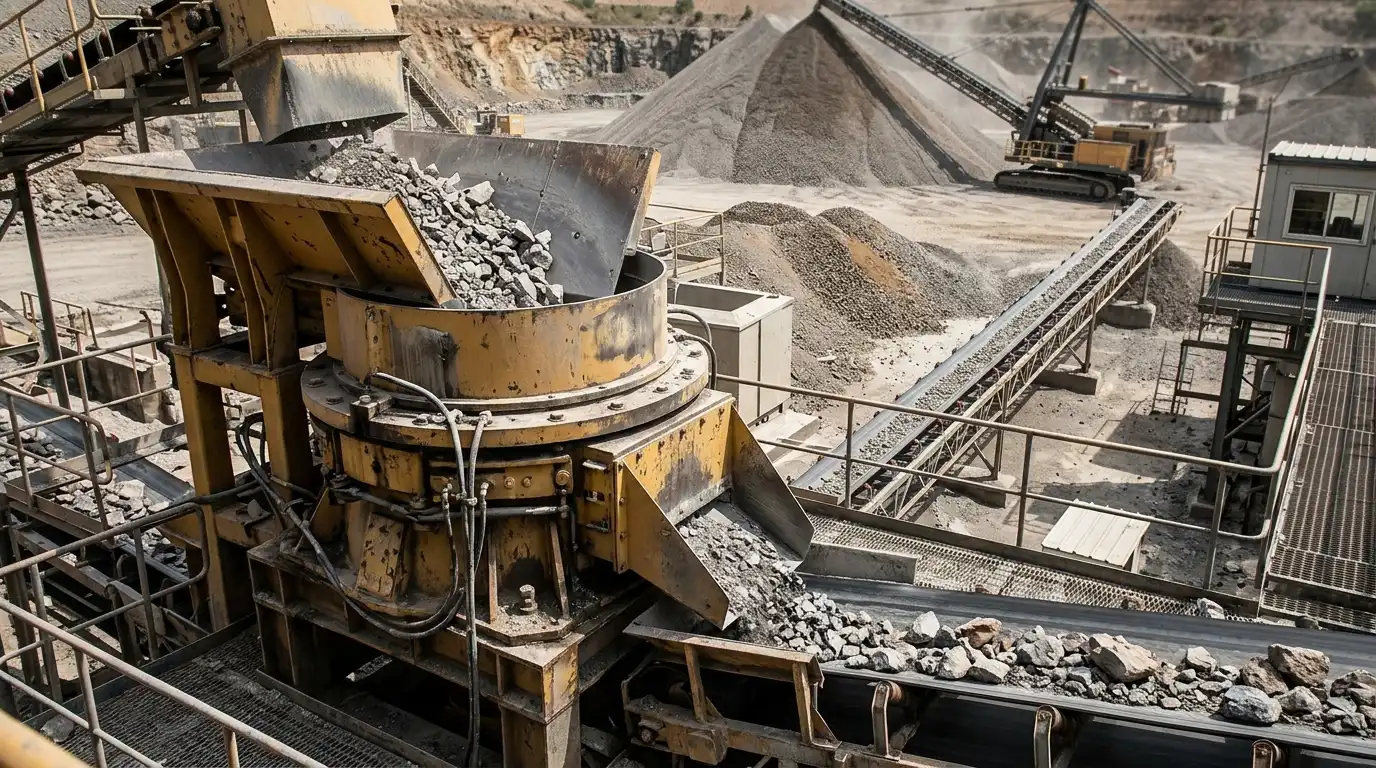
A cone crusher breaks rock by squeezing it between a gyrating mantle and a fixed concave. The four types share this core action. They differ in how the machine protects itself from uncrushable material, and how the operator adjusts product size.
Spring crushers are the oldest design still in wide use. Hydraulic types replace the spring with one or more oil cylinders. Compound crushers keep the spring but add hydraulic assistance for specific functions. The right choice depends on ore hardness, automation needs, and budget.
Working Principle
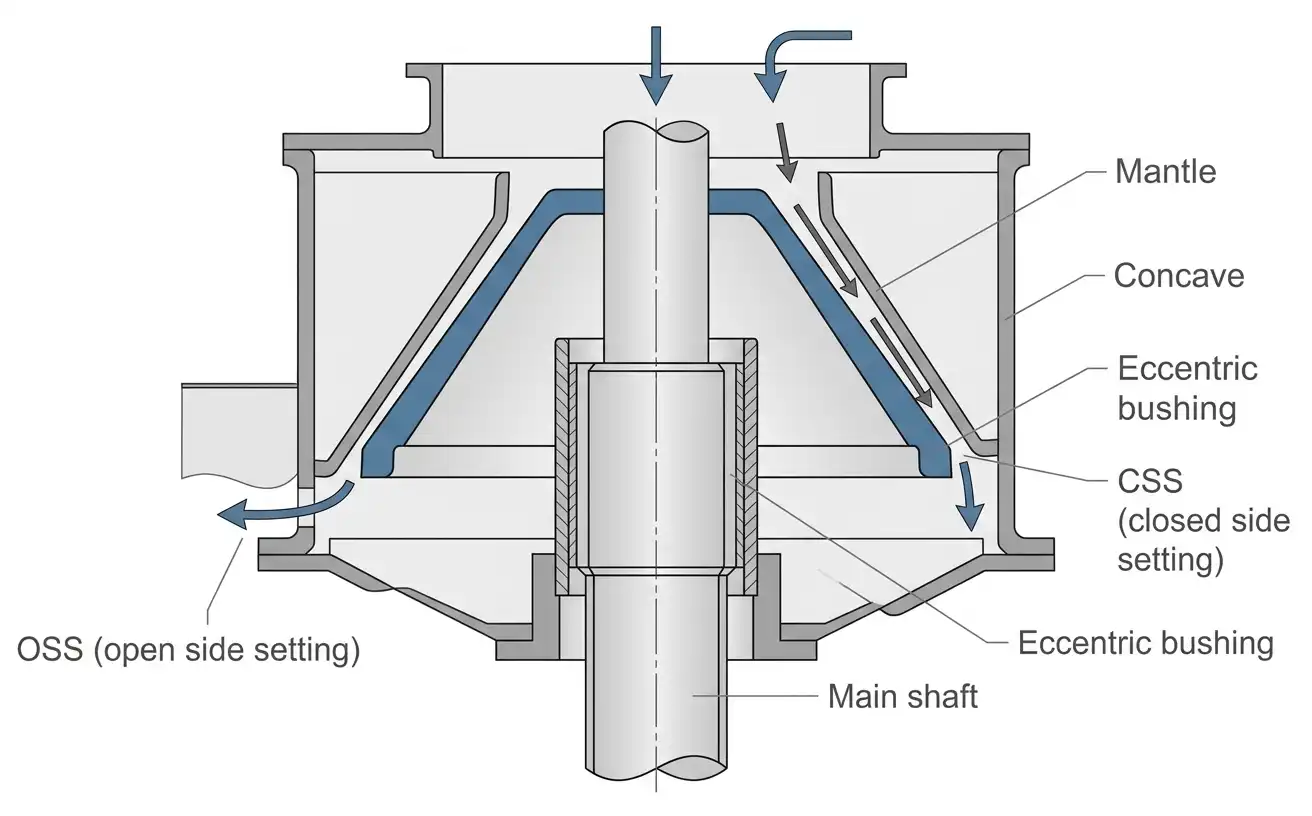
An eccentric bushing drives the main shaft in a gyrating motion. This makes the mantle sweep around inside the concave rather than spin in place. As the gap narrows, rock is compressed and fractured. As it widens, broken material falls further down the chamber.
The closed side setting (CSS) is the narrowest gap in the cycle. It sets the maximum product size. The open side setting (OSS) is the widest gap, and it governs how material flows downward.
Much of the fragmentation happens between particles pressed against each other. This is not only against the mantle and concave surfaces. Engineers call this interparticle or laminated crushing.
The Four Types
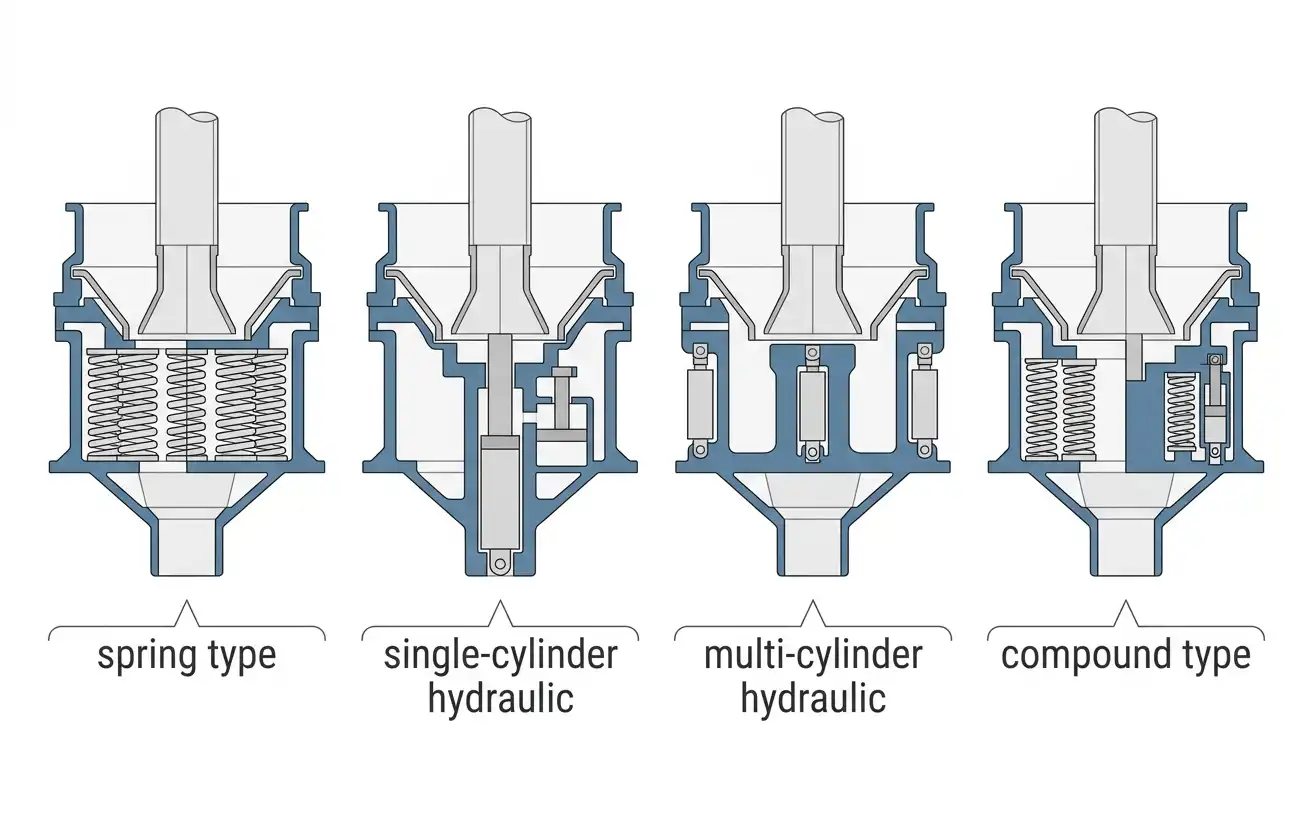
Spring Cone Crusher
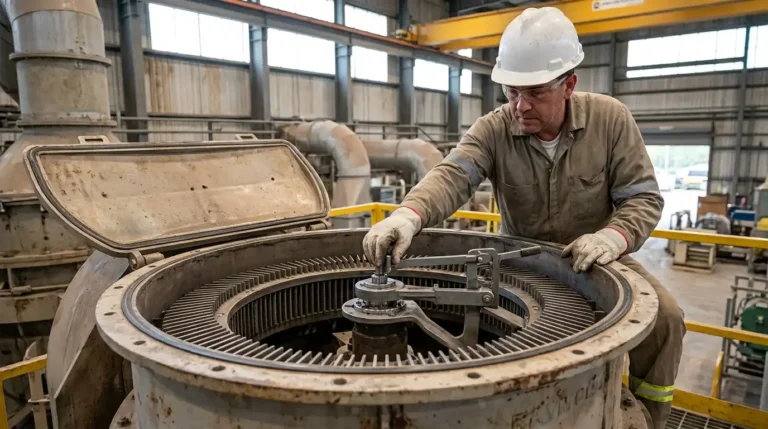
A ring of coil springs sits around the frame. When an uncrushable object enters the chamber, the springs compress. This lets the discharge gap widen, so the object passes through. Once it clears, the springs push the frame back to its set position.
This design is mechanically simple and inexpensive to build. Clearing a serious jam usually means stopping the machine and manually resetting the chamber. CSS adjustment is typically a manual, shimmed process, not a push-button one.
A CS Symons Cone Crusher is this site’s spring-type product. Its documented feed-control guidance illustrates the failure mode directly. Overfeeding can compress the springs fully, causing spring lockup and loss of overload protection.
Single-Cylinder Hydraulic Cone Crusher
One large hydraulic cylinder sits at the base of the main shaft. It does two jobs. It sets the CSS by raising or lowering the shaft. It also absorbs tramp-iron events by letting the shaft drop briefly into an accumulator before resetting automatically.
A single cylinder produces less crushing force than a multi-cylinder design at the same frame size. This makes single-cylinder units well suited to medium crushing on softer or weathered ore. Throughput matters more than maximum crushing force in that duty.
An HST Single-Cylinder Hydraulic Cone Crusher typically runs a more inclined chamber than its multi-cylinder counterpart. This speeds material discharge into a downstream stage.
Multi-Cylinder Hydraulic Cone Crusher
Several hydraulic cylinders, rather than one, handle adjustment and overload protection together. The added cylinders raise available crushing force for the same frame size. This is why the type generally outperforms single-cylinder machines on harder ore.
Multi-cylinder designs commonly pair with a constant-cavity chamber. This holds the feed opening steady as the liners wear, rather than letting it drift. Combined with strong interparticle crushing action, it typically produces a more cubical product shape.
An HP Multi-Cylinder Hydraulic Cone Crusher is commonly paired with a single-cylinder unit in a two-stage line. Each machine’s chamber geometry handles a different part of the size range.
Compound Cone Crusher
A compound cone crusher keeps the spring as its primary safety element. It adds a hydraulic cylinder for specific functions, typically cavity clearing or setting adjustment. Hydraulic cylinders do not replace the spring’s overload role entirely.
The intent is to keep the spring type’s lower cost. At the same time, it removes some of the manual-intervention downsides.
Terminology here is genuinely inconsistent across the industry. Some manufacturers use “compound cone crusher” and “Symons cone crusher” interchangeably. The historical Symons name, though, refers specifically to the original spring-type design. A buyer should confirm exactly which mechanism a “compound” listing includes.
Table 1. Cone crusher type comparison
| Type | Overload mechanism | CSS adjustment | Typical duty |
|---|---|---|---|
| Spring | Coil spring compression | Manual, shimmed | Medium crushing, lower cost |
| Single-cylinder hydraulic | Hydraulic drop into accumulator | Hydraulic, direct | Medium crushing, soft to medium ore |
| Multi-cylinder hydraulic | Multiple hydraulic cylinders | Hydraulic, automated | Medium to fine crushing, harder ore |
| Compound | Spring, with partial hydraulic assist | Varies by manufacturer | Upgrade path from spring type |
Source: general industry classification of cone crusher types as commonly described across equipment manufacturers. The exact feature set under “compound” varies and should be confirmed against a specific supplier’s documentation.
Selecting Among the Four Types
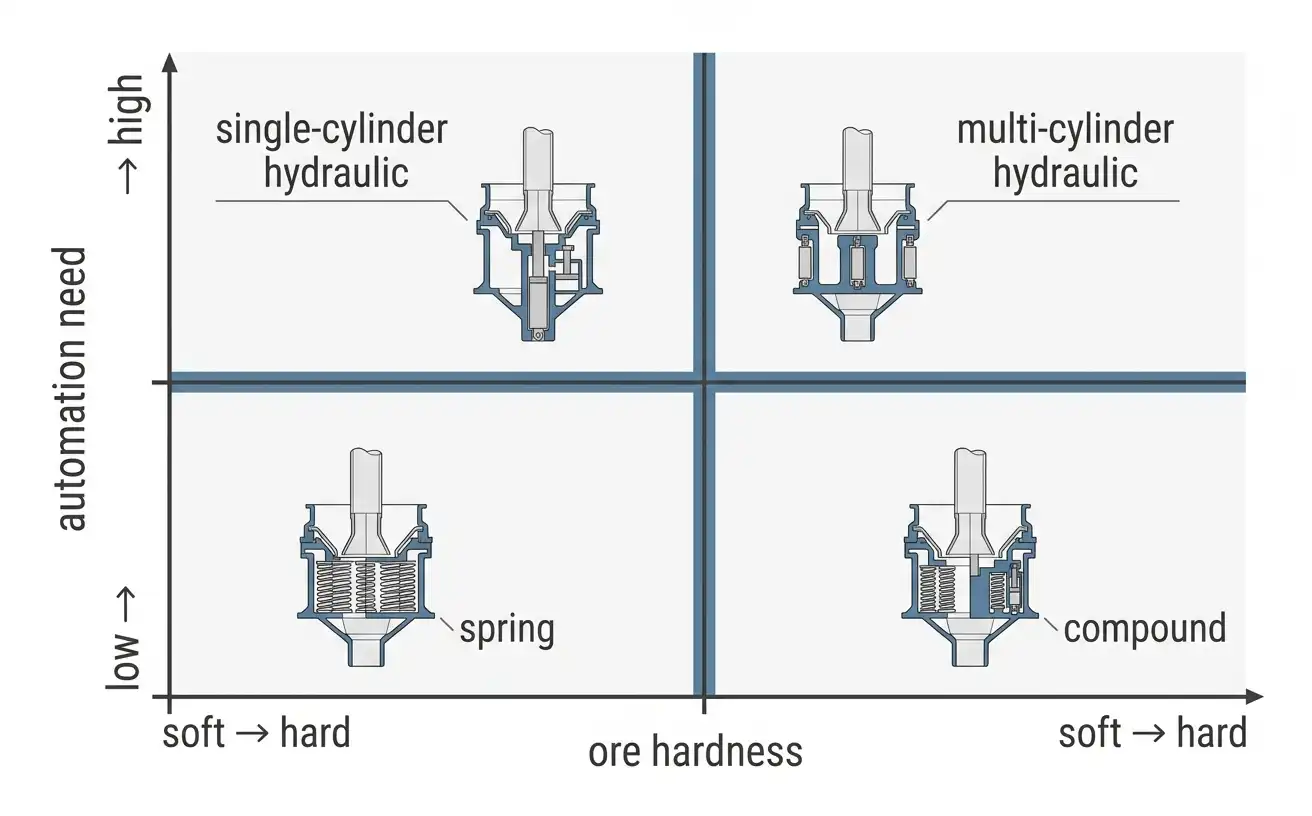
Ore hardness is the first filter. Harder, more abrasive rock favors multi-cylinder hydraulic designs. Their added crushing force and constant-cavity chamber hold up better under sustained high-stress duty. Softer or weathered ore often runs efficiently on a single-cylinder unit at a lower capital cost.
Automation needs matter next. A remote or short-staffed site benefits from a hydraulic type’s automatic overload reset. A spring crusher’s manual chamber-clearing process needs a technician on-site. A closely supervised operation with a modest budget may find a spring or compound unit adequate.
Budget and duty cycle close the decision. Spring crushers carry the lowest purchase price but the highest labor cost per overload event. Multi-cylinder hydraulic units cost more upfront but reduce unplanned downtime on continuous, high-tonnage lines.
Applications by Material and Crushing Stage
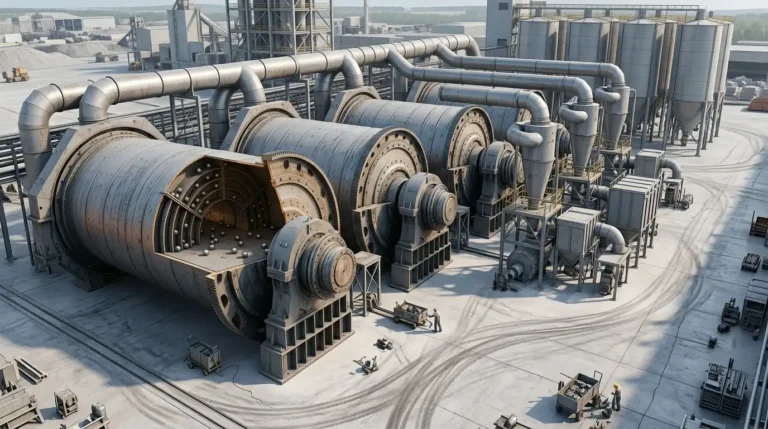
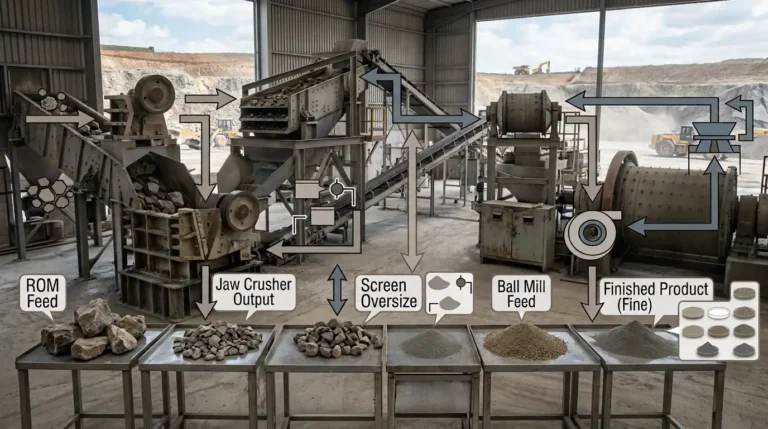
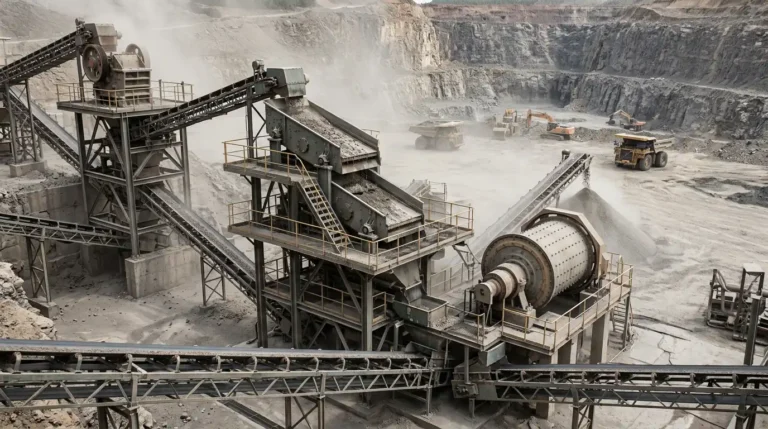
Cone crushers generally work secondary and tertiary stages, taking feed already reduced by a primary jaw or gyratory crusher. A 200 t/h basalt crushing plant illustrates a multi-cylinder hydraulic unit handling high-hardness rock at that stage.
A 200–250 t/h basalt crushing plant shows a single-cylinder and a multi-cylinder unit paired in sequence. Each handles a different part of the size range.
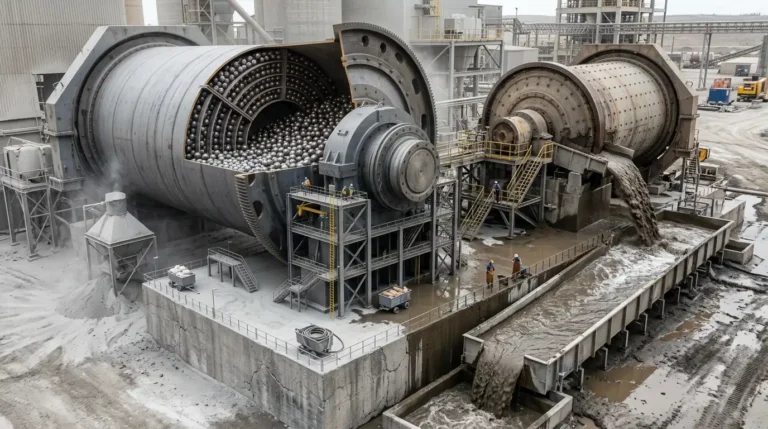
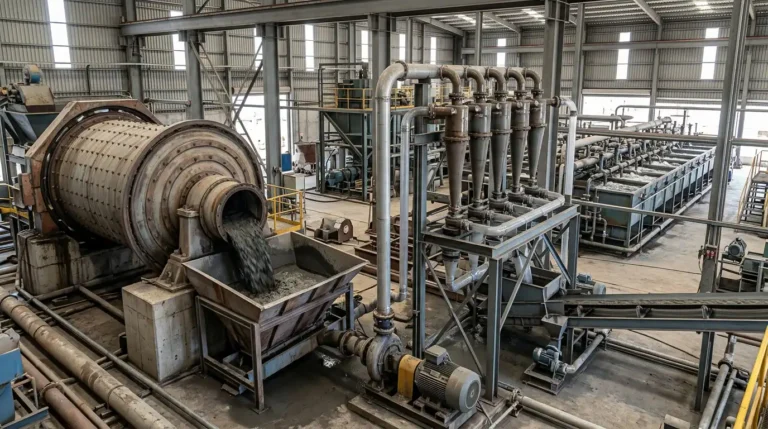
Softer, less abrasive feed such as river stone often runs well on a single-cylinder or spring unit. A 200 t/h river stone crushing plant shows this pairing at production scale. A 100–150 t/h aggregate production plant demonstrates a spring-type unit in a general aggregate line, where feed-rate control matters most.
Maintenance and Wear Parts
The mantle and concave liners are the primary wear items across all four types, typically manganese steel. Both wear in a pattern tied to feed size distribution and CSS. Liner replacement frequency depends on ore abrasiveness far more than on which type of crusher is running.
Spring-type maintenance centers on the springs themselves and on the manual chamber-clearing procedure. A jam left unresolved risks spring lockup. Hydraulic types shift that maintenance burden toward the hydraulic circuit instead. Seal condition, fluid cleanliness, and accumulator function all need scheduled inspection.
Cost and Procurement
Purchase price generally rises from spring through single-cylinder to multi-cylinder hydraulic. This reflects the added hydraulic hardware and automation at each step. A compound unit typically sits between spring and single-cylinder hydraulic pricing.
Buyers should weigh total cost of ownership, not just purchase price. A spring crusher’s lower upfront cost can be offset by frequent stoppages for manual overload clearing. This matters most on a site with unpredictable tramp material. A multi-cylinder unit’s higher price is easier to justify where downtime cost dominates the comparison.
Frequently Asked Questions
What is the difference between a spring and a hydraulic cone crusher?
A spring cone crusher uses coil springs for overload protection and manual, shimmed CSS adjustment. A hydraulic cone crusher uses one or more oil cylinders for both functions, with automatic overload reset and automated adjustment.
Which cone crusher type is best for hard rock?
Multi-cylinder hydraulic cone crushers generally handle hard, abrasive rock best. Their multiple cylinders provide more crushing force than a single-cylinder design at the same frame size. A constant-cavity chamber also resists drift as liners wear.
What is a compound cone crusher?
A compound cone crusher keeps the spring as its primary overload element. It adds a hydraulic cylinder for a specific function, typically cavity clearing or setting adjustment. Terminology varies by manufacturer, and some vendors use “compound” and “Symons” interchangeably, despite the historical Symons name referring to the original spring-type design.
Do single-cylinder and multi-cylinder hydraulic cone crushers use the same adjustment method?
Both use hydraulic cylinders rather than a spring. A single-cylinder unit adjusts CSS by raising or lowering the main shaft with one cylinder. A multi-cylinder unit coordinates several cylinders together, which generally supports finer automated control on harder ore.