

Concern 1:
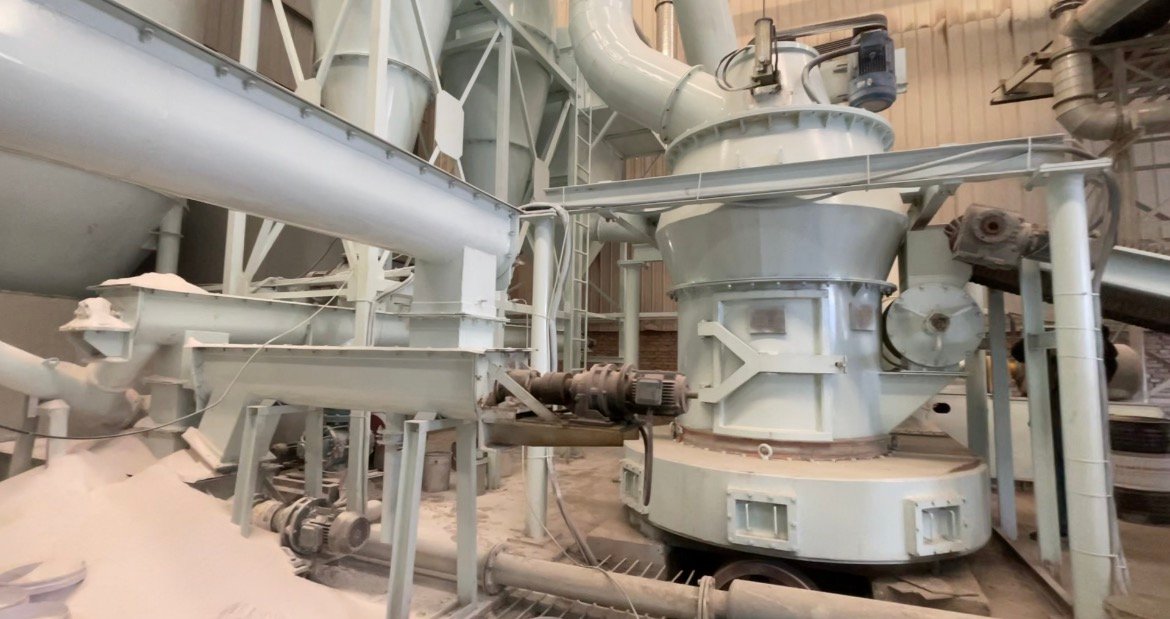
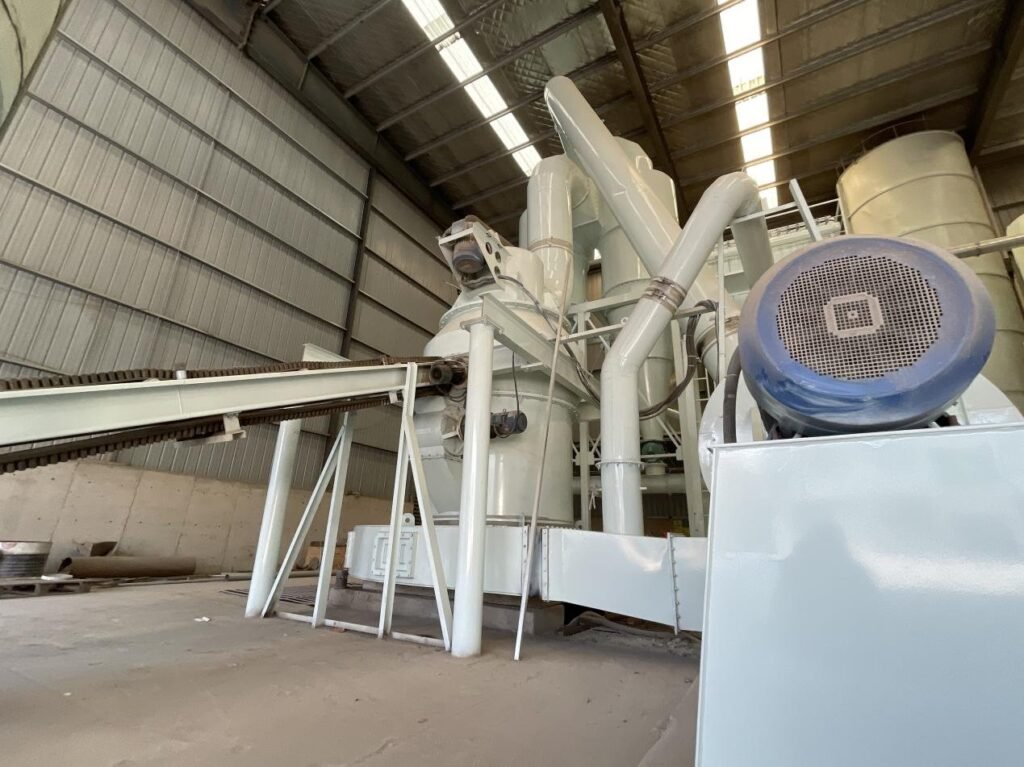
During the grinding process, bentonite exhibits high hygroscopicity, which can sometimes clog the grinding rollers and air ducts. In this case, it can cause the equipment to shut down due to negative pressure. How can this be resolved?
MR Solution 1:
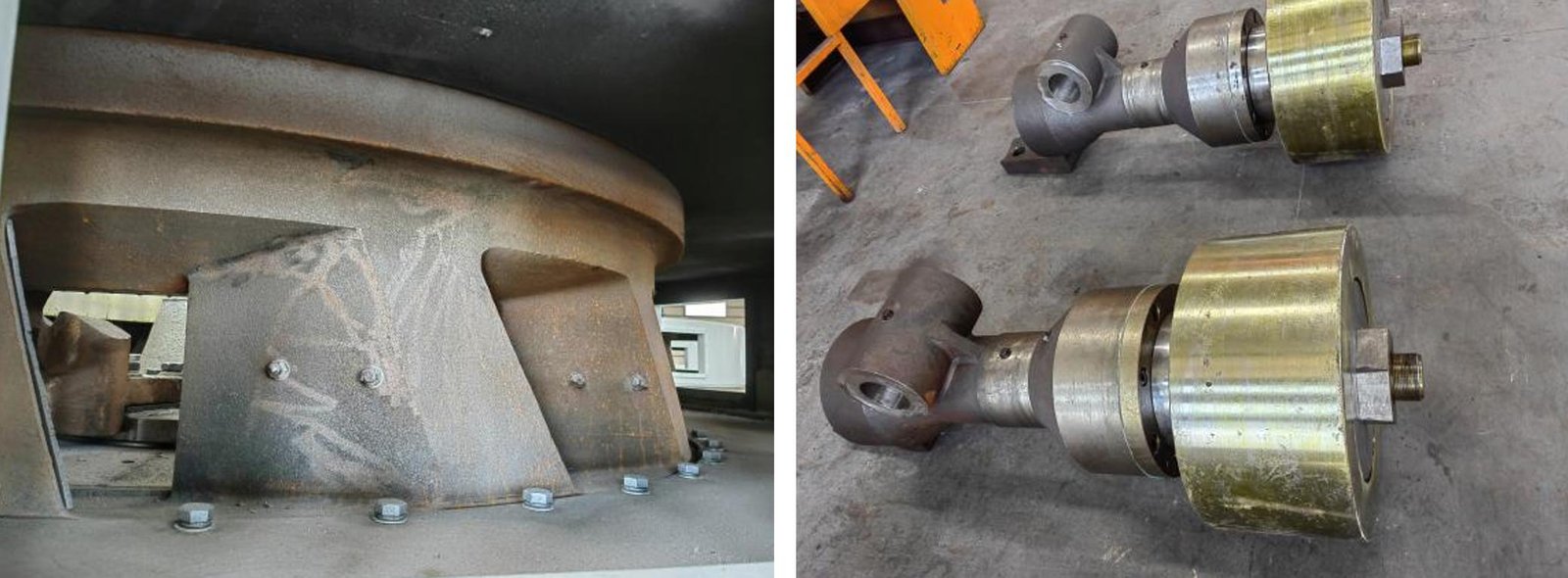
To address this issue, the Raymond MR138 mill employs an internal non-stick coating technology. This coating applies a special coating to the surfaces of the grinding rollers and rings to effectively reduce material adhesion. Simultaneously, we have optimized the airflow control system, which automatically adjusts the temperature and volume of the hot air according to the material’s moisture content, thus ensuring dryness during the grinding process. Furthermore, the equipment features an automatic dust removal device that performs periodic pulse cleaning of the air ducts and dust collection system to prevent dust accumulation. For areas with high humidity, we also offer our customers a pre-drying system that ensures the moisture content of the food remains below 8%, thus solving the problem of blockages.
Concern 2:
Since our industry requires a relatively stable bentonite fineness, how can we ensure that the 200-mesh sieve passing rate is consistently above 90%?
MR Solution 2:
The MR Raymond mill employs a frequency converter-controlled cage classifier, which adjusts its speed in real time according to the material characteristics, guaranteeing a stable fineness of the final 200-mesh product (D90 sieve passing rate). Furthermore, the equipment features an online particle size monitoring system that, through sensors, provides real-time information on the powder fineness and automatically adjusts the grinding roll pressure and classifier speed to create a closed-loop control system. For different batches of raw material, our engineers will conduct on-site calibration tests during equipment installation and commissioning to ensure that the classifier parameters are precisely matched to the customer’s raw material characteristics, preventing fluctuations in fineness.
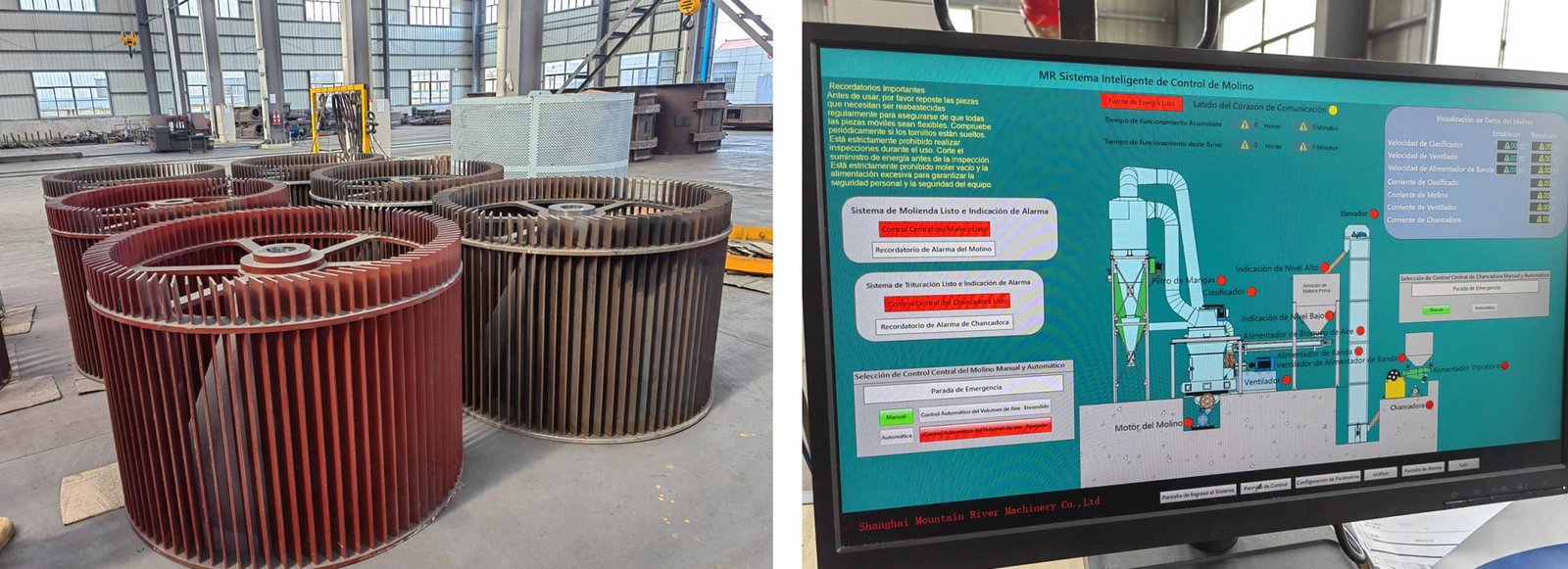
At MR, we understand that the delivery of each piece of equipment is not just about shipping goods, but also a crucial step in getting our customers’ production lines up and running. For the Raymond MGW138 bentonite mill project, considering the high humidity and potential rough handling that can occur during international shipping, we used moisture- and impact-resistant wooden crates to pack the main components (such as grinding rollers, grinding rings, and analyzers), filled with high-density foam to prevent collision damage and ensure the equipment doesn’t rust, get wet, or become deformed during the months of transit.
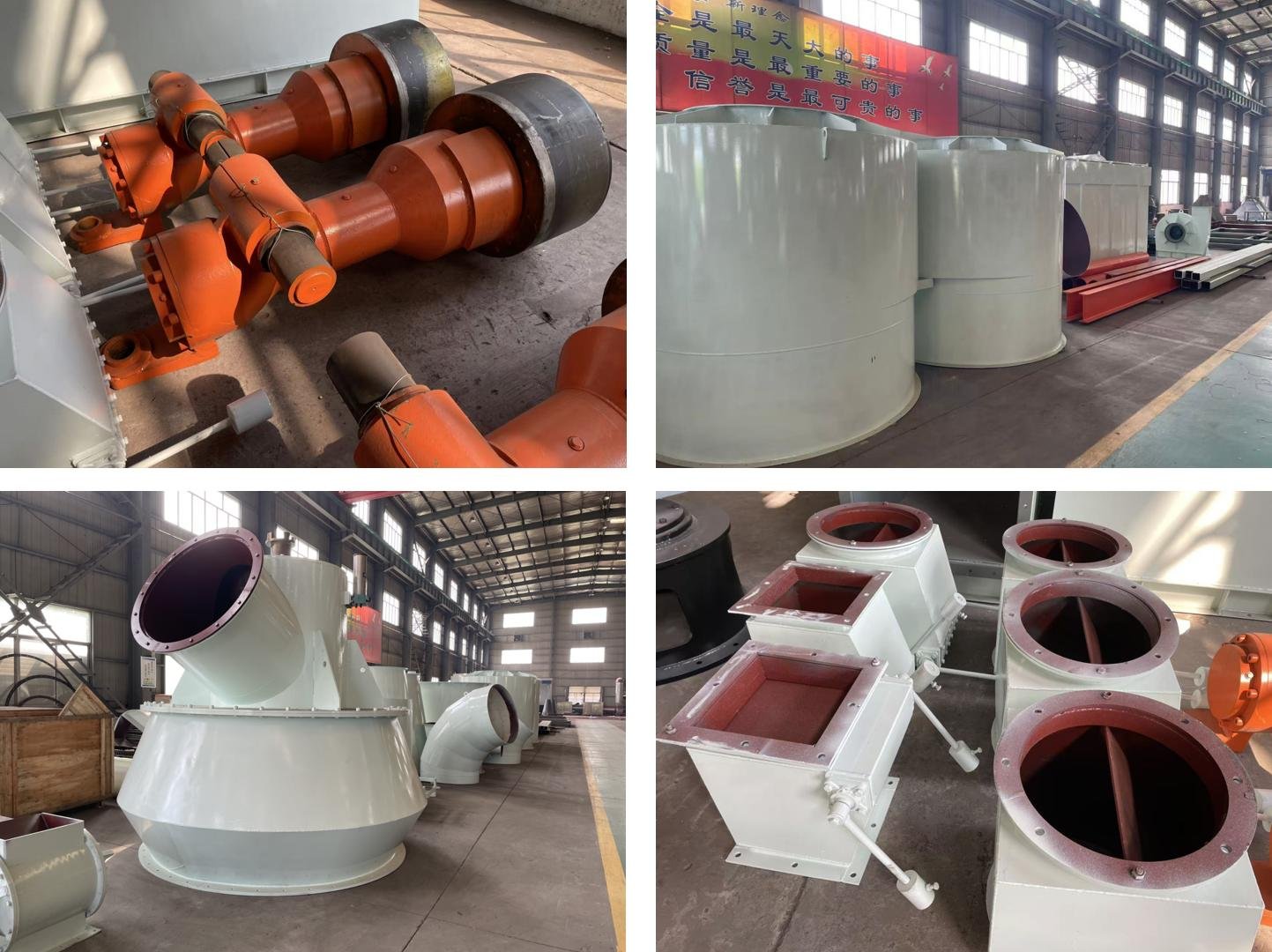
We revisited our customers to discuss the bentonite Raymond mill project, and they provided positive feedback on the equipment’s performance. The customers stated that the MGW138 Raymond mill has operated stably since commissioning, producing uniformly fine 200-mesh bentonite with consistently high throughput rates, ensuring a reliable supply of raw material for subsequent production stages. Specifically, the customers mentioned that to address the issue of high viscosity and blockages in the bentonite, MR engineers meticulously adjusted the airflow and optimized the non-stick coating during the on-site commissioning phase, completely resolving the material adhesion problem. The equipment has not experienced any blockages or downtime to date. The customers clearly indicated that they will prioritize MR milling equipment when expanding their production capacity in the future.
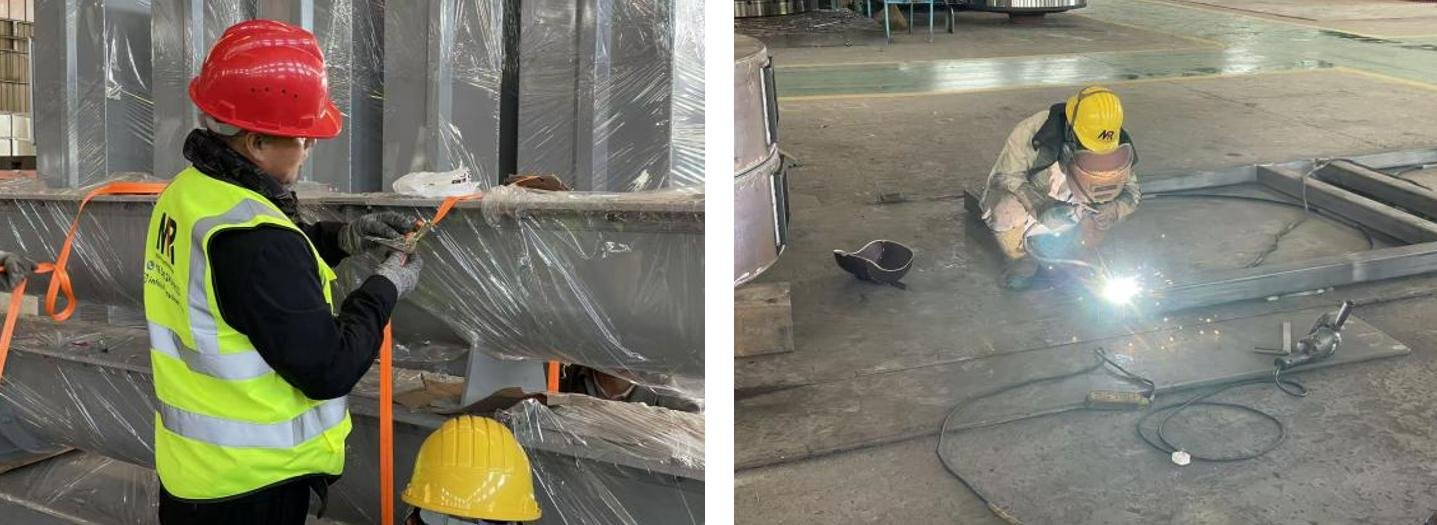
From the outset of the project, MR has maintained a high level of patience and professionalism. When fibrous residue was detected in the initial test, MR actively proposed solutions to our benefit, ultimately ensuring the feed to the mill was of the correct size. Furthermore, they collaborated with us on laboratory analyses, the results of which pleasantly surprised us: the finished powder was extremely finely ground, making it ideal for our recycling process!
Even more exciting is that, after operating this ultrafine grinding production line for some time, production capacity has remained stable, and we have not experienced any issues.