

Question 1:
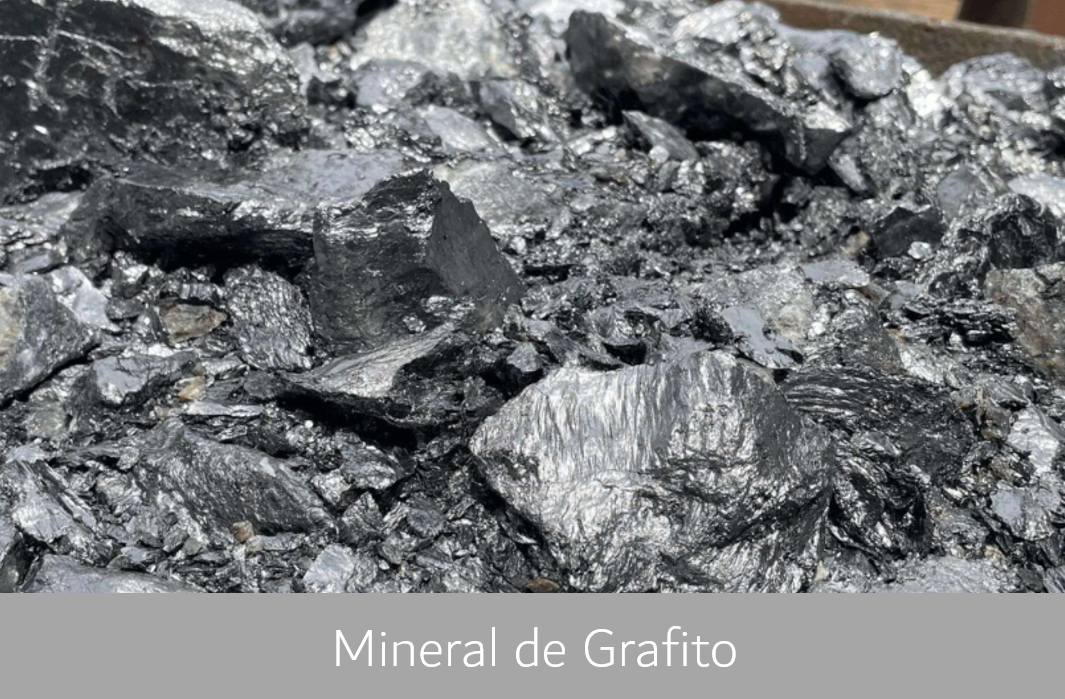
When grinding graphite to 150-200 mesh, should I choose dry grinding or wet grinding? What are the advantages and disadvantages of each?
MR Answer 1:
Compared to dry grinding, the advantages of wet grinding of graphite to 150-200 mesh are:
①Uniform Distribution: Prevents dust and agglomeration, achieving a narrower size distribution.
②High Energy Efficiency:The lubrication of the medium and efficient force transmission increase productivity.
③Preserved structure: Protects the layered structure of graphite, optimizing properties such as conductivity and lubricity.
Question 2:
What are the main components of your ball mill?
MR Answer 2:
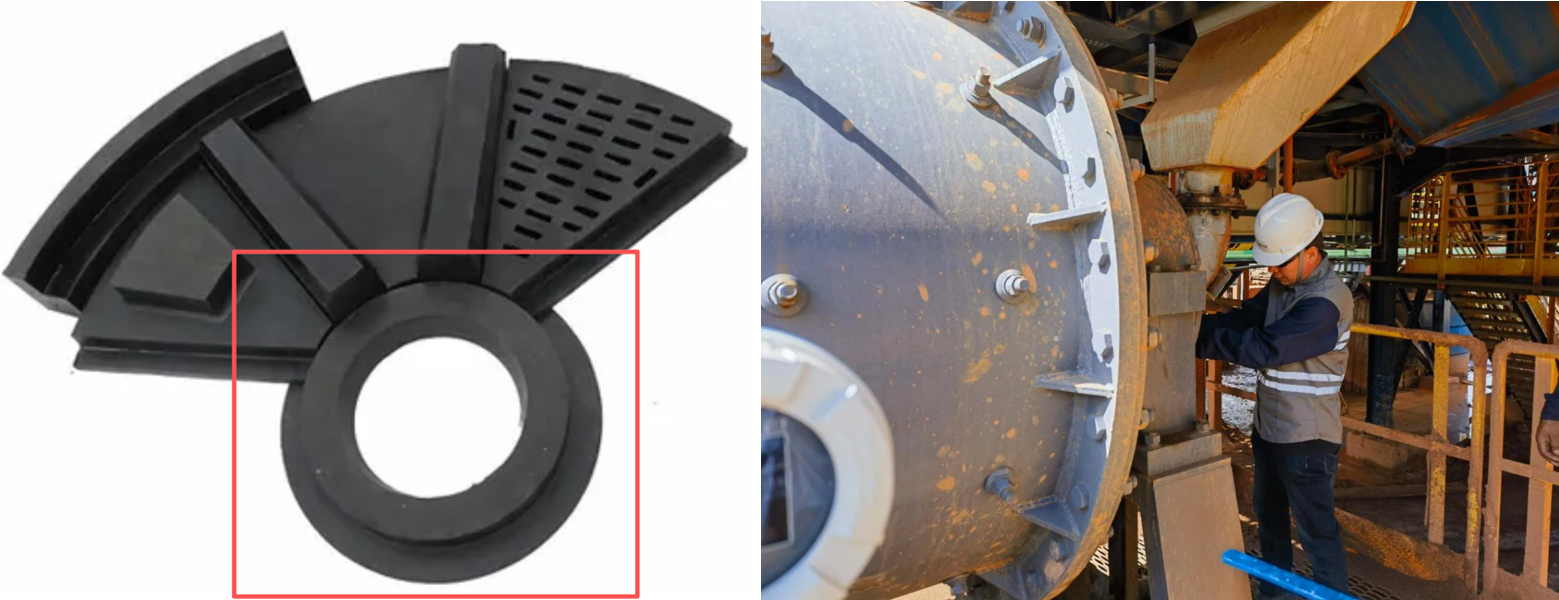
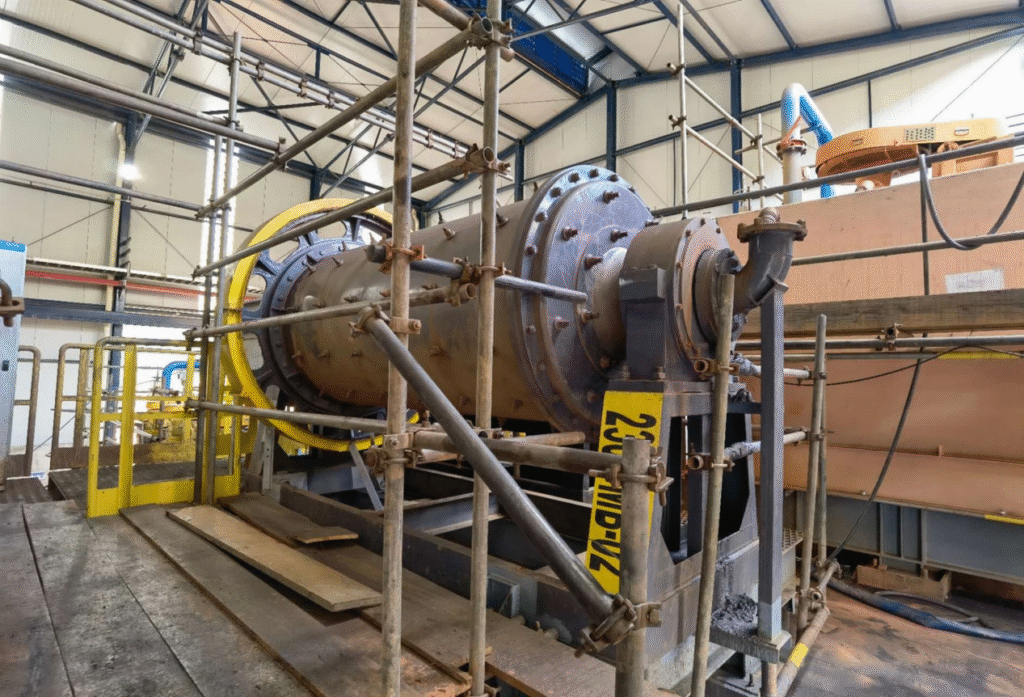
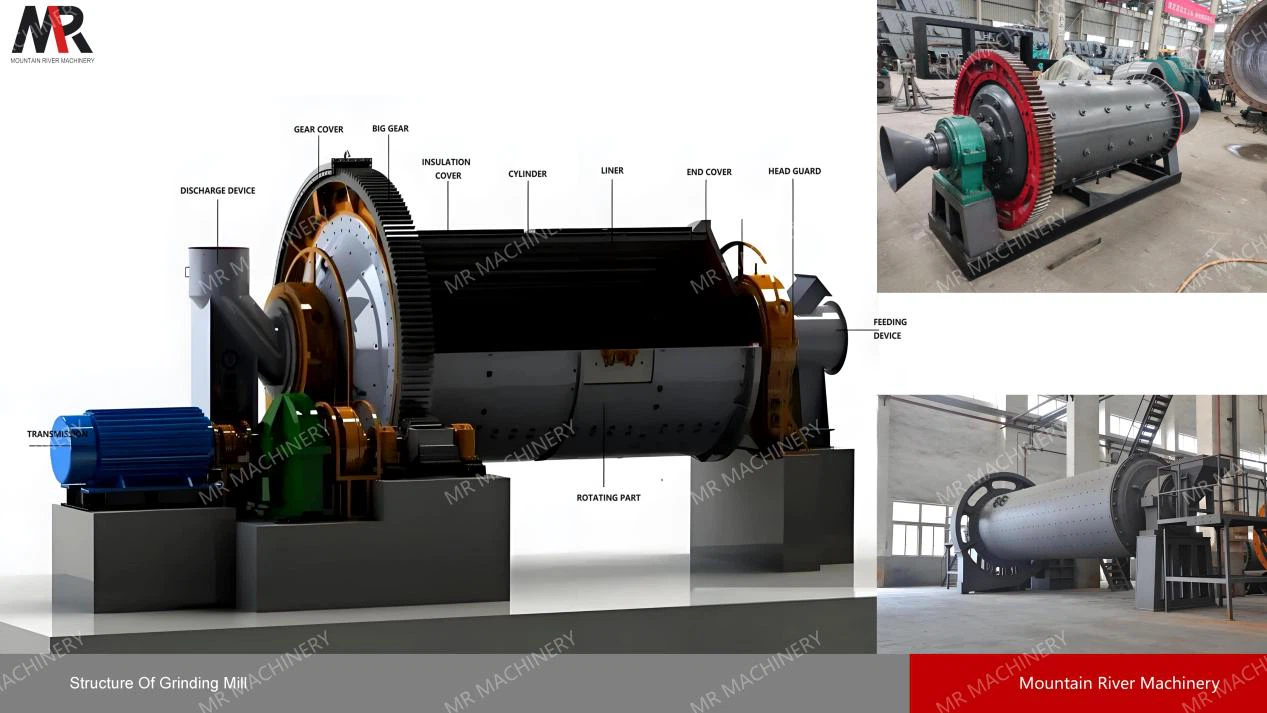
The MR ball mill for graphite ore is mainly composed of a feeding system: screw conveyor, rubber sealing ring, rotating cylinder (lined with wear-resistant steel plate), transmission device, and discharge system. In this case, MR focuses on optimizing the feeding structure to ensure the safe production of the graphite ball mill.
Question 3:
What is the IP protection rating of your motor and gearbox?
MR Answer 3:
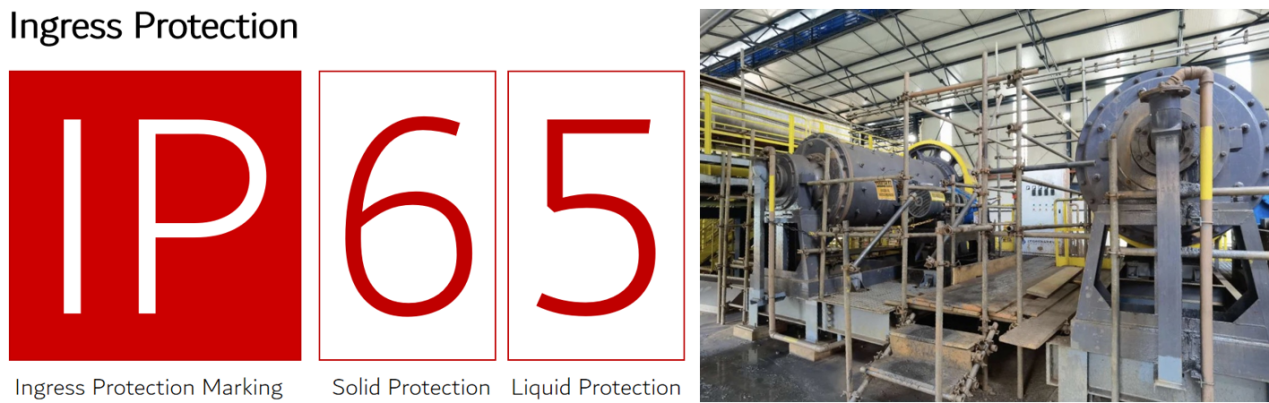
Our motor and gearbox have a guaranteed IP65 protection rating.
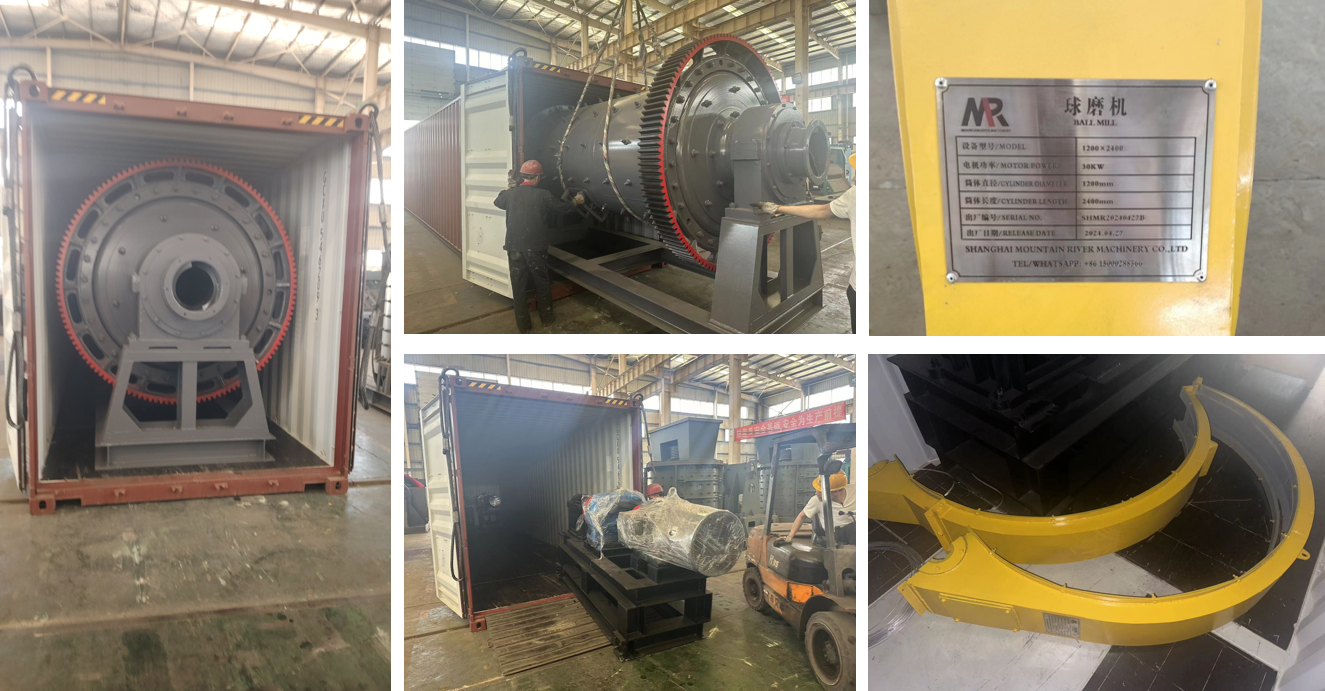
When making shipments, MR organizes the loading order according to the dimensions of the goods, ensuring that the ball mill cylinder and accessories are loaded correctly according to the packing list, without omitting any components. For important parts, MR applies waterproof and anti-humidity treatments, wrapping them with a protective layer to ensure they reach the customer in perfect condition.
The customer initially declined MR’s request to send an engineer to the site to assist with installation, believing that their own team could complete it. At first, the ball mill seemed to operate normally, but after a period of operation, a serious leakage problem immediately arose: the ball mill had continuous slurry leakage at the discharge port.
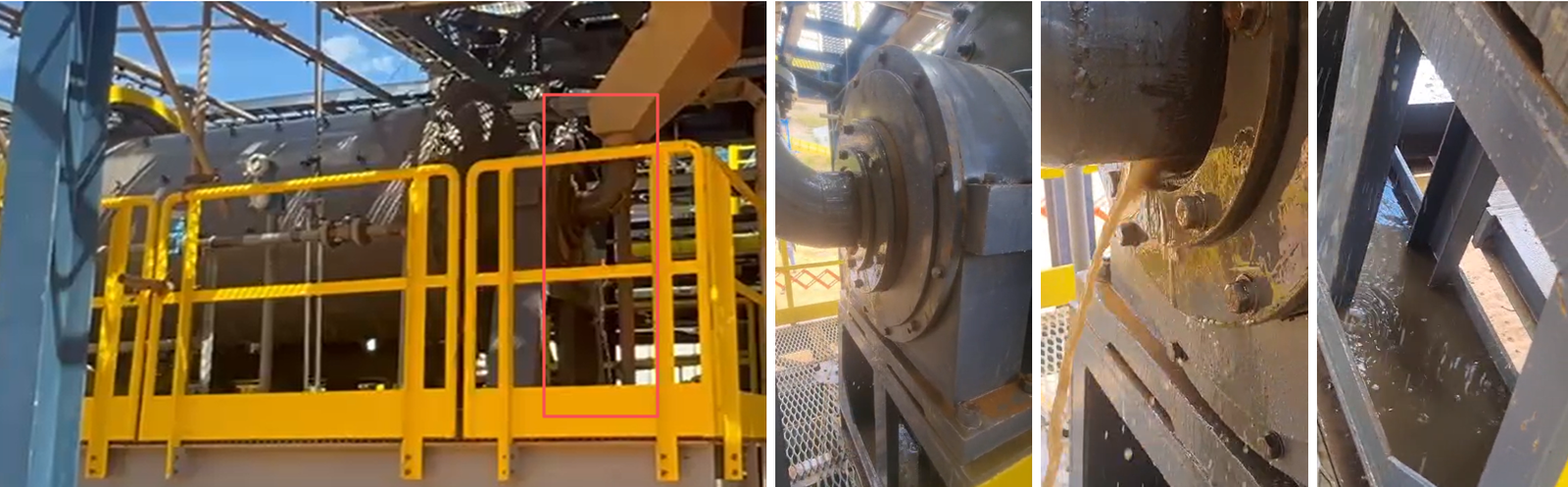
The customer was very concerned, as this forced production to stop. Additionally, the workers on site could not diagnose the root cause of the problem, so they finally contacted MR.
After receiving the customer’s information, MR immediately instructed its engineering team to conduct an analysis. Finally, two key issues were identified:
( 1 )The feed screw was installed backwards, and the customer may have confused the discharge screw with the feed screw.
( 2 )The customer cut a sealing rubber at the feed port, causing slurry leakage.
After identifying the issues, MR quickly sent an engineer to the customer’s site. The engineer helped adjust the position of the feed screw and discharge screw, and replaced the sealing rings. During this process, he also discovered that the deviation in the water pipe angle was affecting the seal performance.
Finally, the MR engineer also helped the customer adjust the water pipe to make it completely level, thus permanently resolving the issue.